Guides · 50 articles
Puzzle guides for parents and teachers
Which puzzles suit which age, how to solve the classics, what they build, and how to use them at home and in class.
Puzzles by age
- Logic puzzles for 5 and 6 year oldsLogic puzzles that suit 5 and 6 year olds: what thinking grows at this age, which puzzles to start with, and how to help without taking over.Read the guide →4 min read
- Logic puzzles for 7 and 8 year oldsThe best logic and puzzles for 7 and 8 year olds: how their thinking is changing, which puzzles and levels to start with, and how to keep it fun.Read the guide →3 min read
- Logic puzzles for 9 and 10 year oldsLogic and puzzles for 9 and 10 year olds who are ready for a real challenge: which puzzles and levels to try, and how to support without solving it for them.Read the guide →3 min read
- Logic puzzles for 11 to 14 year oldsHard logic puzzles for tweens and young teens: Demon-level sliding blocks, burr puzzles, Sokoban and more, and why a real challenge is good for them.Read the guide →3 min read



Skills and screen time
- Spatial reasoning puzzles for kidsWhat spatial reasoning is, why it matters for children, everyday ways to build it, and the best spatial puzzles for each age from 4 to 14.Read the guide →3 min read
- Screen time that builds how they thinkHow to choose screen time that’s good for kids: what to look for in an educational puzzle, what to avoid, and how to make it something you do together.Read the guide →3 min read
How to solve the classics
- How to solve Tower of HanoiA clear, kid-friendly method for solving Tower of Hanoi with any number of rings, the fewest moves possible, and how to teach the pattern to your child.Read the guide →4 min read
- Sudoku for kids: how to solve it step by stepHow children can learn sudoku, starting with 4 × 4 grids, the two techniques that solve most puzzles, and how to move up to 6 × 6 and 9 × 9 without guessing.Read the guide →4 min read
- Tangram puzzles for kids: shapes to try and how to solve themWhat the seven tangram pieces are, how they relate to each other, a simple method for solving any tangram shape, and which figures to try first with kids.Read the guide →3 min read
- How to solve a sliding puzzleThe row-by-row method for solving any sliding number puzzle, from the 8 puzzle to the 15 puzzle and beyond, plus the trick for the last tiles of each row.Read the guide →3 min read
- How to solve Klotski (Hua Rong Dao, Hakoiri Musume)Strategy for the sliding-block puzzle known as Klotski, Hua Rong Dao and Hakoiri Musume: how to make space, move the big block and plan ahead with children.Read the guide →3 min read
- Sokoban tips and strategyGet better at Sokoban: spot deadlocks, push crates in the right order, work backwards from the targets, and help children plan before they push.Read the guide →3 min read
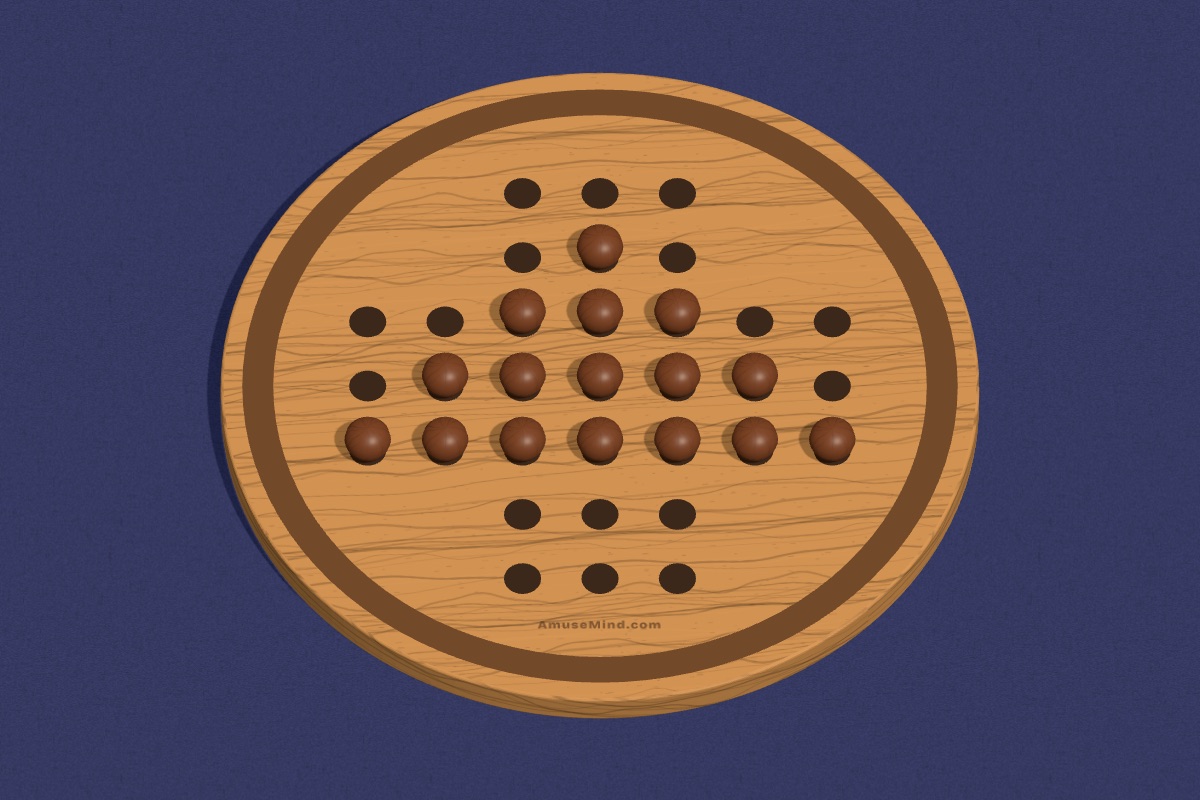
- How to win at peg solitairePeg solitaire (Brainvita, Hi-Q) explained: the rules, why the full board is hard, simple strategies for finishing with one peg, and easier patterns for kids.Read the guide →3 min read
- How to solve nonograms (Picross)How nonogram clues work, the overlap trick that starts every puzzle, marking empty squares, and how kids solve picture logic puzzles without guessing.Read the guide →3 min read
- How to solve Bridges (Hashi)The rules of Hashiwokakero, or Bridges, the starting moves that solve most puzzles, and how to teach children to count what each island still needs.Read the guide →3 min read
- How to solve a Luban lock or burr puzzleWhat Luban locks and burr puzzles are, how to find the key piece, why some pieces move back and forth, and how children can approach 3D interlocking puzzles.Read the guide →3 min read
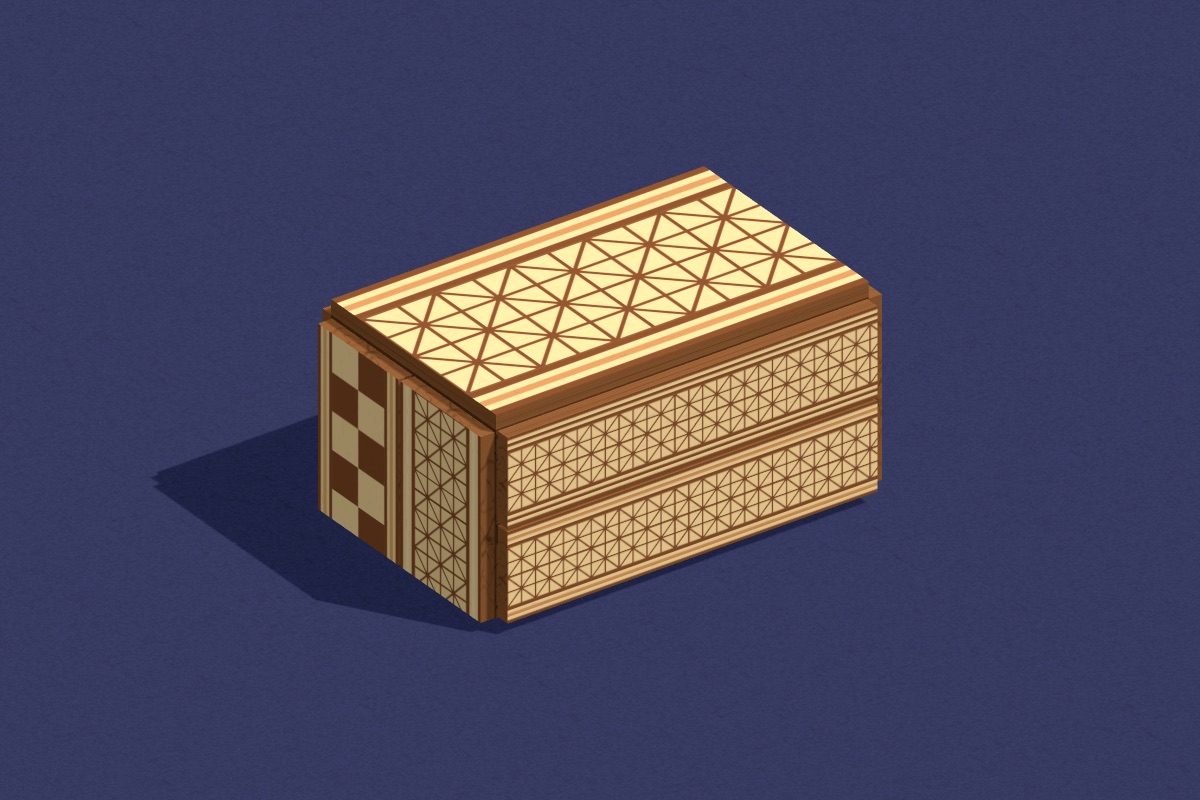
- How Japanese puzzle boxes (himitsu-bako) workHow Japanese secret boxes from Hakone work, why panels slide in order, how to approach opening one, and what children learn from these clever wooden boxes.Read the guide →3 min read
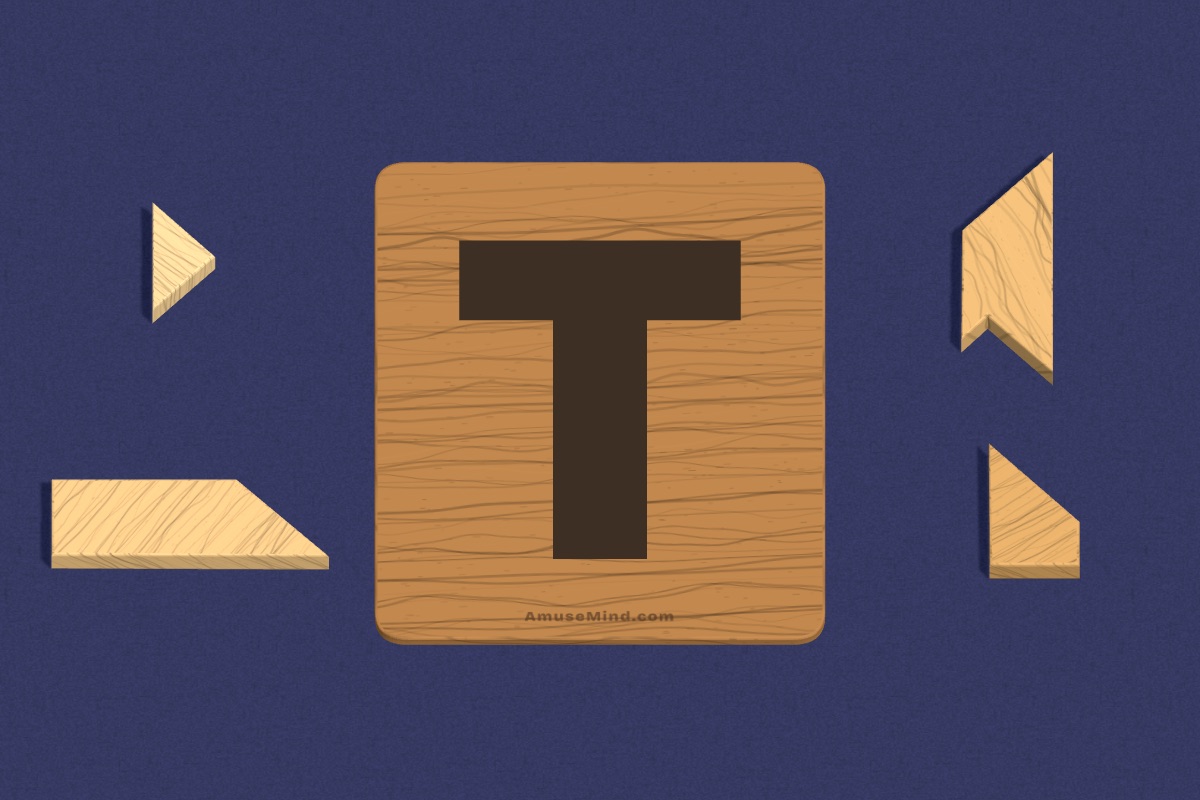
- The four-piece T puzzle: tips to solve itWhy the four-piece T puzzle is famously tricky, the thinking habit that cracks it, easier shapes to try first, and how to help without giving the answer.Read the guide →3 min read
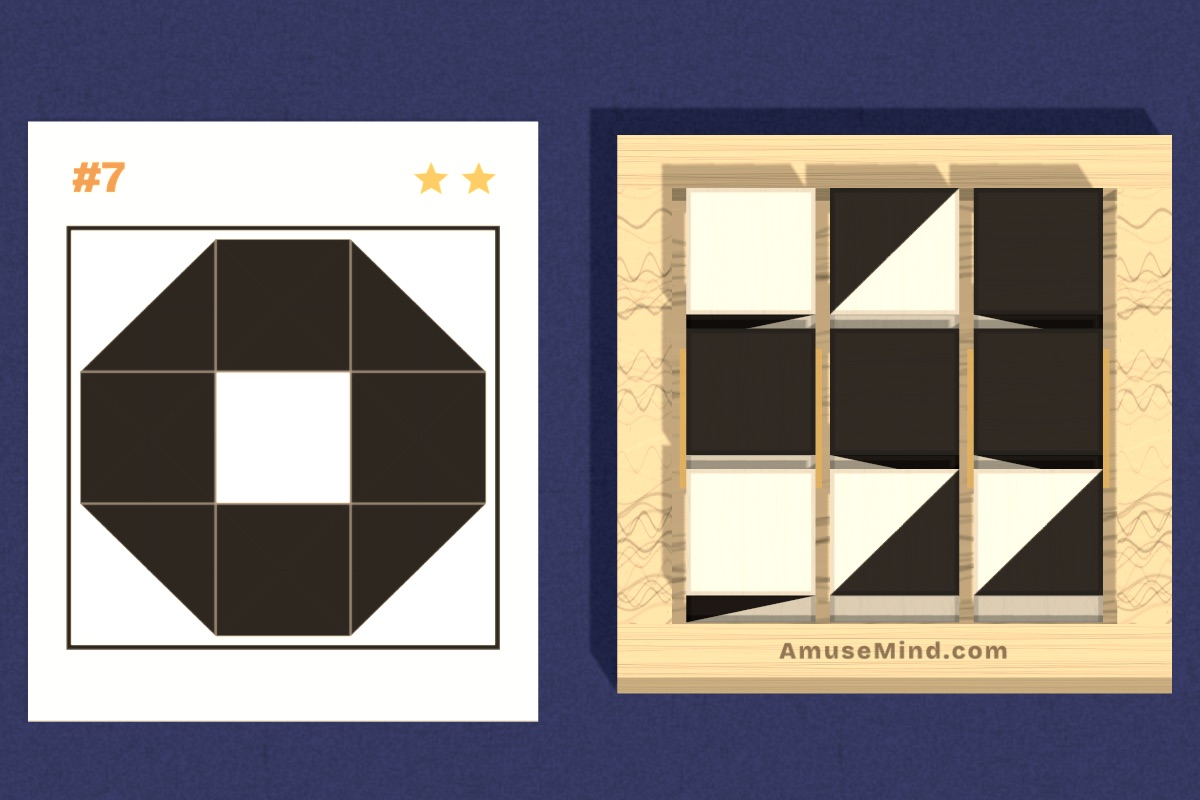
- Block design puzzles for kidsHow black-and-white block design puzzles work, a step-by-step way to copy any pattern card, and why breaking pictures into parts builds spatial skill.Read the guide →3 min read
- Pentomino and polyomino puzzles for kidsWhat polyominoes and pentominoes are, simple strategies for packing them, the counting trick that spots impossible fits, and the best puzzles for kids.Read the guide →3 min read
- Jigsaw puzzle tips for kidsSimple jigsaw strategies for children: edges first, sorting by shape, matching tabs and blanks, and how blank jigsaws and shape puzzles build the same skills.Read the guide →3 min read







Puzzle families
- Japanese puzzles for kidsSudoku, nonograms, Hashi, Sokoban, Hakoiri Musume and the secret puzzle box: the Japanese puzzles kids love, where they come from and where to start.Read the guide →4 min read
- Chinese puzzles for kidsTangram, the Luban lock, Hua Rong Dao and the story of the Tower of Hanoi: classic Chinese puzzles for kids, what each one teaches and where to begin.Read the guide →3 min read
- Wooden puzzles and brain teasers, onlineClassic wooden puzzles and brain teasers to play online: packing trays, sliding blocks, burr locks and puzzle boxes, and why the wooden feel helps kids think.Read the guide →3 min read
- Sliding puzzles for kidsThe 15 puzzle, Klotski, road sliding puzzles and Sokoban: how sliding puzzles teach kids to plan ahead, and which one to start with at each age.Read the guide →3 min read
- Classic puzzles every child should tryA short list of classic puzzles that have lasted for generations, from tangram and Tower of Hanoi to sudoku and Sokoban, with the best age to try each one.Read the guide →3 min read
- Puzzles for kids who love mathsLogic, pattern and number puzzles for kids who love maths, from sudoku and nonograms to Tower of Hanoi’s powers of two, with a level to start at for each age.Read the guide →3 min read
For US families
- Summer brain puzzles for kidsSummer learning activities that feel like play: a simple weekly puzzle routine, the best brain puzzles by age, and how to keep it light over the long break.Read the guide →3 min read
- Logic puzzles by grade, kindergarten to 5thWhich logic puzzles fit each US grade from kindergarten to 5th: the skills that grow each year, the puzzles to start with, and which level to pick.Read the guide →3 min read
- Logic and critical thinking for homeschoolHow to build logic and critical thinking into a homeschool week with puzzles: a simple routine, puzzles by age, and ways to turn play into talking and writing.Read the guide →3 min read
- Challenging puzzles for gifted kidsPuzzles that give gifted kids a real challenge: the hardest levels, questions that stretch their thinking, and how to handle frustration and perfectionism.Read the guide →3 min read
- Brain puzzles for rainy days and road tripsIndoor activities and road trip puzzles that make kids think: no-screen ideas you can do anywhere, plus short puzzles for the car, plane or waiting room.Read the guide →3 min read
- Educational puzzles without ads: what to look forHow to choose safe educational puzzles for kids: no ads, no sign-up, no chat, clear privacy. A parent’s checklist, COPPA basics, and how AmuseMind is built.Read the guide →3 min read
For Singapore parents
- Puzzles and the problem-solving habits behind PSLE heuristicsHow puzzle play practises the thinking habits behind PSLE maths heuristics: working backwards, guess and check, patterns and more. Practice, not exam prep.Read the guide →3 min read
- Enrichment at home: a simple thinking routine for Singapore familiesA practical home routine for logical thinking enrichment in Singapore: short puzzle sessions, what to look for, and how it fits around school and classes.Read the guide →3 min read
- Puzzles for Primary 1 and Primary 2 childrenThe best puzzles for P1 and P2 children aged 6 to 8 in Singapore: shape, logic and planning puzzles, which level to start at, and how to help without taking over.Read the guide →3 min read
- Puzzles for Primary 3 and Primary 4 childrenPuzzles for P3 and P4 children aged 8 to 10: logic and planning puzzles that build careful, step-by-step thinking, with levels to start at and tips for parents.Read the guide →3 min read
- Puzzles for Primary 5 and Primary 6 childrenPuzzles for P5 and P6 children aged 10 to 12 in Singapore: short thinking breaks that fit around a heavy PSLE year, with challenging levels and honest advice.Read the guide →3 min read
- School holiday brain puzzles: a one-week indoor plan for Singapore kidsAn easy one-week plan of indoor brain puzzles for the Singapore school holidays: a puzzle theme a day, ideas for siblings, and how to keep screen time balanced.Read the guide →3 min read
For teachers
- Logic activities for kindergarten to grade 2Simple logic and spatial activities for kindergarten, grade 1 and grade 2: shape matching, tangram, block design and early sudoku, with classroom routines.Read the guide →3 min read
- Logic puzzles for grades 3 to 5Logic puzzles for grades 3, 4 and 5: sudoku, nonograms, Sokoban, Tower of Hanoi and peg solitaire, with discussion prompts and classroom routines that work.Read the guide →3 min read
- Logic puzzles for middle schoolChallenging logic puzzles for grades 6 to 8: Klotski, burr puzzles, 9 by 9 sudoku, Tower of Hanoi patterns and more, with ideas for using them in maths lessons.Read the guide →3 min read
- Spatial reasoning activities for the classroomClassroom spatial reasoning activities for students: quick warm-ups, unplugged ideas and digital puzzles like tangram, block design and packing trays, by grade.Read the guide →3 min read
- Puzzles for early finishersEarly finisher activities that keep students thinking: short logic and spatial puzzles for math centers and 10-minute routines, free with no student logins.Read the guide →3 min read
- Puzzles and the Standards for Mathematical PracticeHow logic and spatial puzzles exercise the eight Common Core Standards for Mathematical Practice, with classroom prompts for each and puzzles to try.Read the guide →3 min read
- Brain breaks and indoor recess puzzles that make kids thinkBrain break ideas and indoor recess puzzles for the classroom: quick thinking breaks, whole-class puzzles on the board, and calm options for rainy days.Read the guide →3 min read
- Free educational puzzles for school, no login neededFree educational puzzles for the classroom with no student logins: why no-login matters, what to check first, and puzzles that work on Chromebooks and iPads.Read the guide →3 min read
- Choosing safe apps for studentsA plain-language student data privacy checklist for teachers: COPPA and FERPA basics, questions to ask any edtech tool, and red flags to watch for.Read the guide →3 min read
- Building spatial skills for STEMWhy spatial skills matter for STEM and how to build them in class: lesson ideas for rotation, nets and 3D thinking, with hands-on and digital puzzles to try.Read the guide →3 min read
- Logic puzzles for gifted and talented classroomsChallenging logic puzzles for gifted and talented (GATE) classrooms: hard levels, extension questions, puzzle design and productive struggle.Read the guide →3 min read