Tweens and young teens don’t want baby games. They want something genuinely hard, ideally hard for adults too. The good news is that classic puzzles scale up beautifully, and AmuseMind’s Hacker and Demon levels are built for exactly this age.
What’s growing at this age
Between eleven and fourteen, abstract reasoning really takes off. Young people can hold a whole strategy in mind, think about their own thinking, and enjoy a problem for its own sake. They also start to care about doing things well rather than just finishing.
Hard puzzles are a healthy place to practise patience and planning, and to experience that being stuck is a normal part of solving something.
What makes a good puzzle for this age
Depth and fairness. The best puzzles for teens have simple rules and very hard solutions, a known “fewest moves” to aim for, and no luck involved. Puzzles in 3D, like burr puzzles and puzzle boxes, add a satisfying extra dimension.
Puzzles to try, and the level to pick
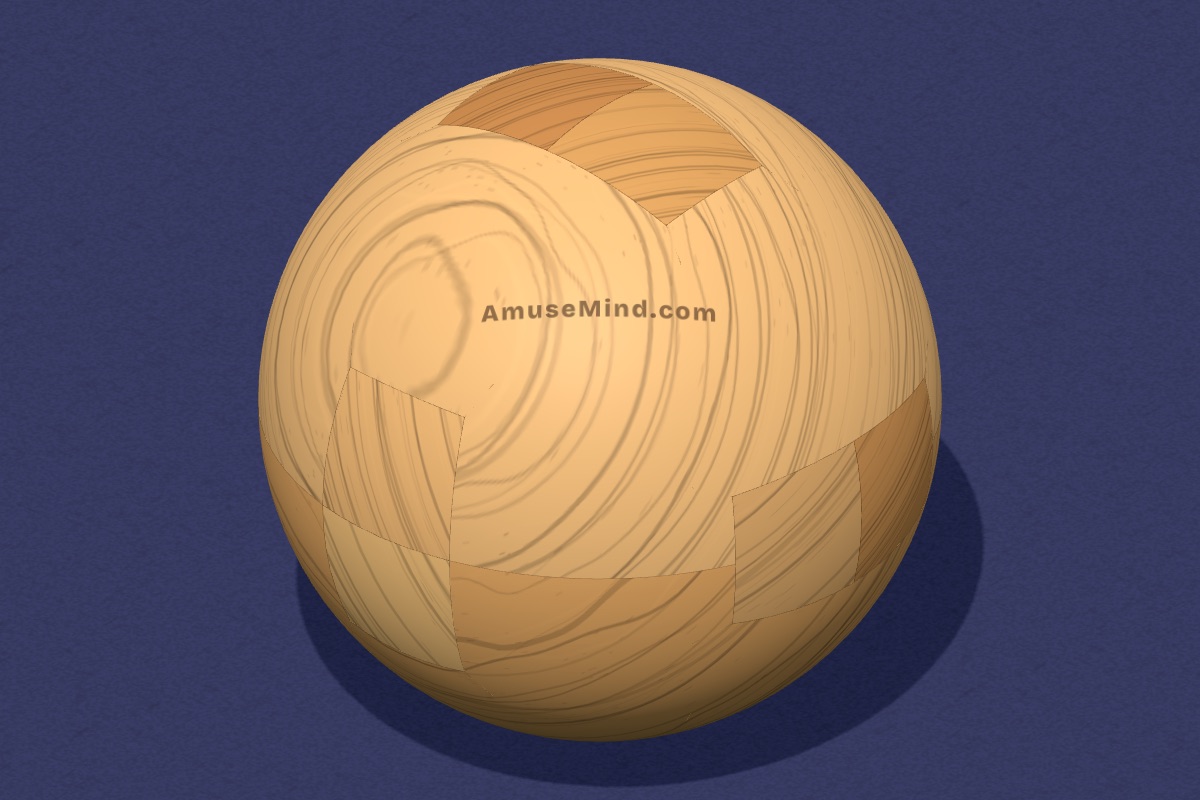
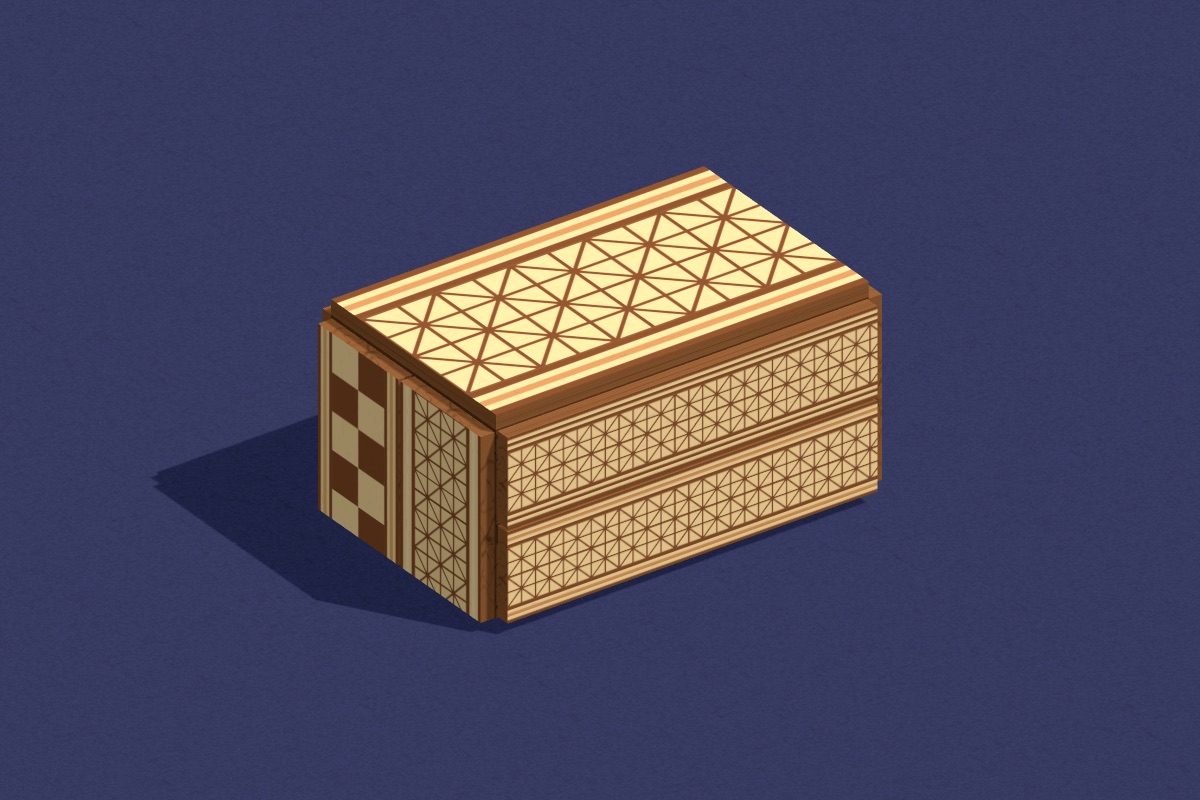
Hakoiri Musume on Demon is the classic layout, around ninety moves to free the daughter. Luban Lock on Demon is the wooden magic ball: eight interlocking pieces that only come apart in the right order. Puzzle Box on Demon needs more than twenty moves, with panels that must move back and forth.
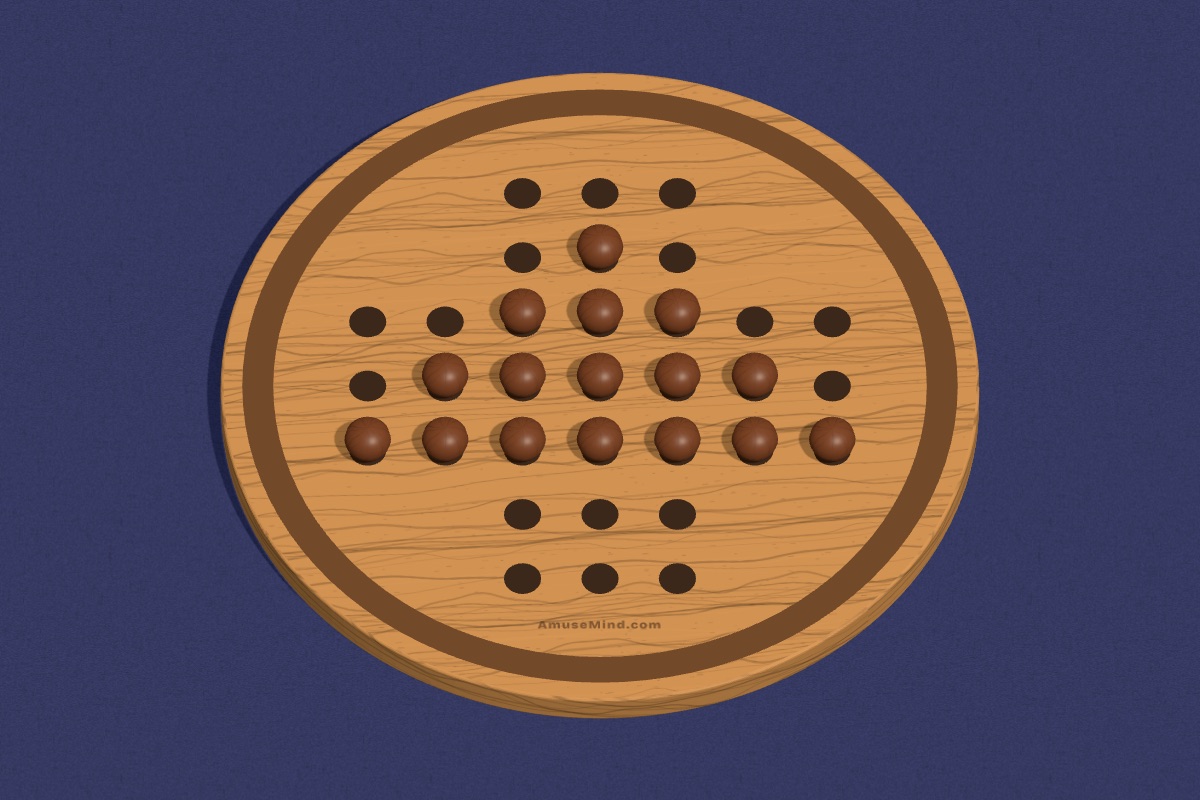
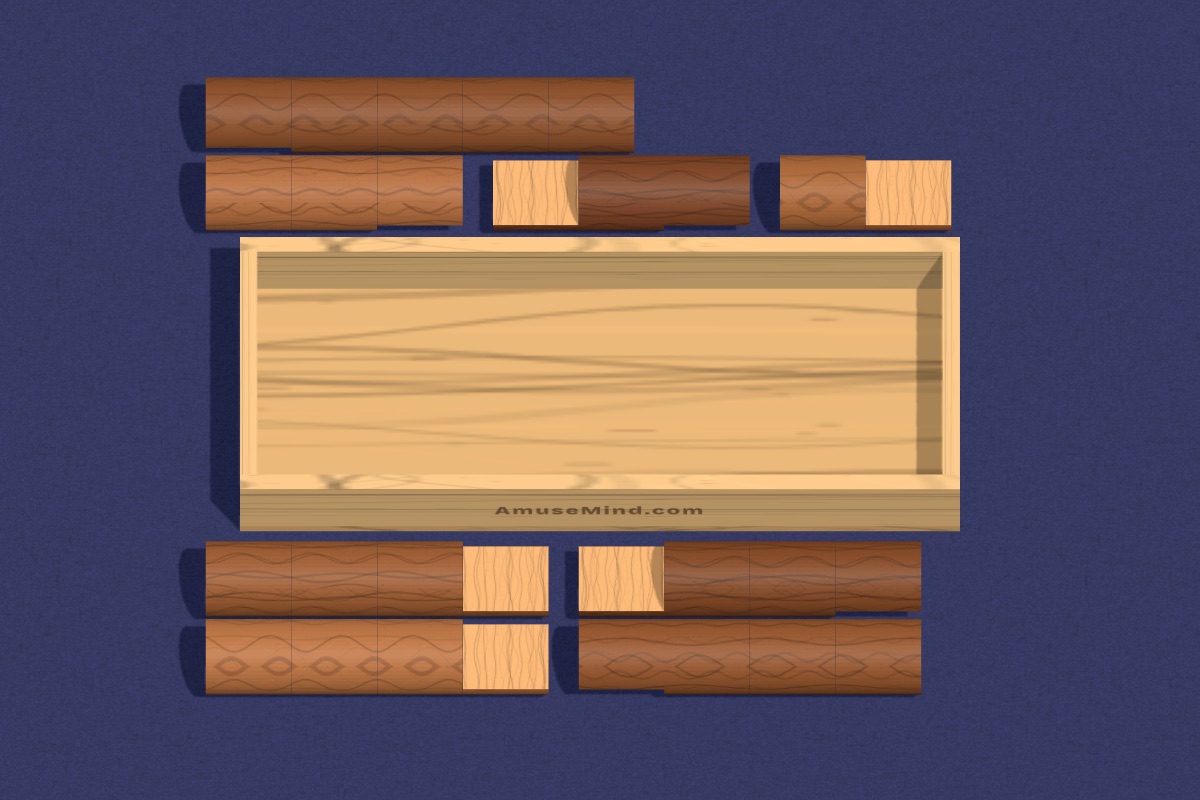
Sokoban on Hacker and Demon has five crates and needs careful thinking several pushes ahead. Peg Solitaire on Demon is the full 33-hole board, finishing with one peg in the centre. Eight Logs on Demon has ten-long boxes full of half-lap joints.


For pattern and number lovers
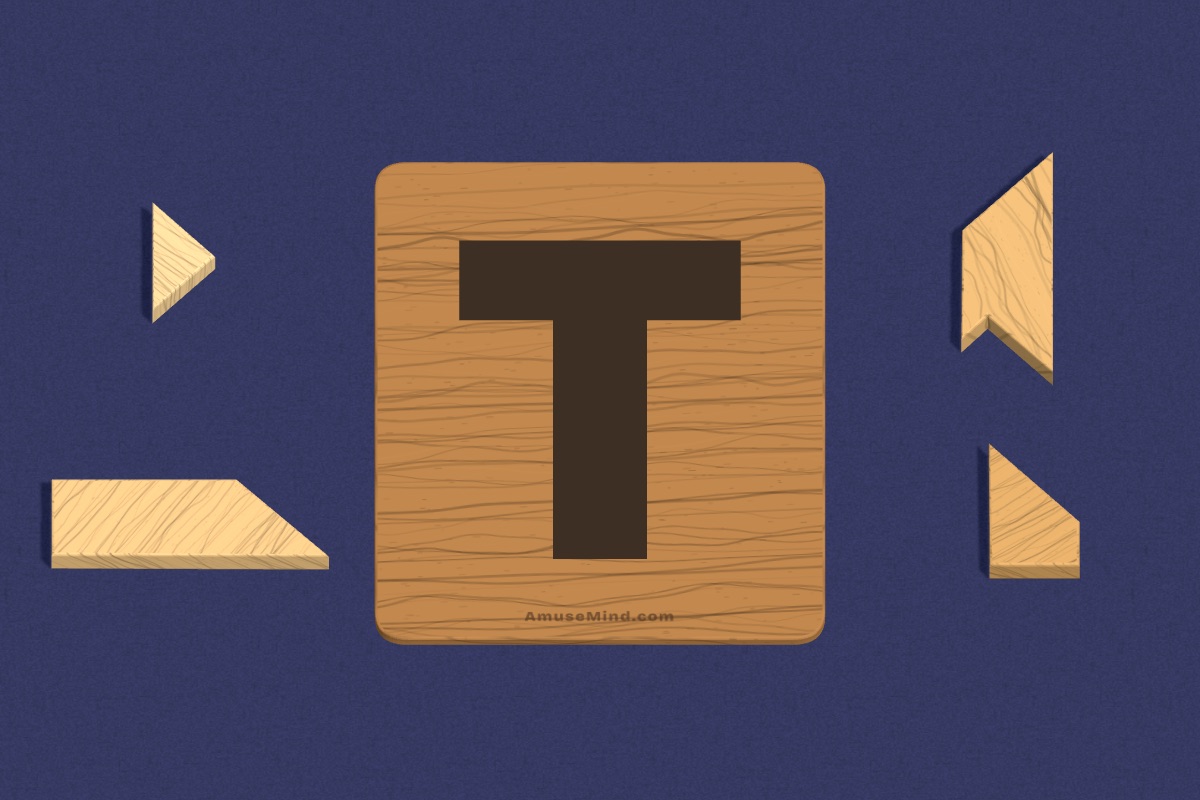
Tower of Hanoi on Demon has seven rings and needs 127 perfect moves. Sudoku on Demon needs techniques beyond simple elimination. Bridges and Nonogram on Demon are dense grids where one wrong assumption unravels everything. The T Puzzle’s four pieces make a T only one way, and it stumps many adults.





How to support a teen puzzler
Mostly, get out of the way. Ask about the puzzle at dinner, try one yourself and admit when it beats you. Teens enjoy explaining a solution to an adult who couldn’t find it.
If frustration builds, suggest a break. Coming back fresh is a real problem-solving skill.
Too hard or too easy?
Demon levels are meant to be hard, so a few failed tries is normal. If a teen finds even Pro dull, try a different puzzle: someone who finds Sudoku easy may find Luban Lock fiendish.
Puzzles and a busy teenage week
Teens have homework, activities and friends competing for their time, so puzzles work best as a short break rather than another task. One Demon-level puzzle can fill a quiet twenty minutes and leave a real sense of achievement. Because there are no streaks or daily rewards, nothing nags them to come back; they return when they want to, which is how a hobby should feel.
Puzzles also make a good shared challenge. Pick the same puzzle and level, solve separately, then compare how many moves you each took and how you got there. Teens often enjoy finding a shorter route than a parent did, and comparing strategies is a natural way to talk about how people think differently.
Questions parents ask
What is the hardest puzzle on AmuseMind?
Most players find Hakoiri Musume on Demon, Luban Lock’s magic ball and Tower of Hanoi with seven rings the hardest.
Are these puzzles too childish for a 13 year old?
The look is wooden and calm, not cartoonish, and the Hacker and Demon levels are hard for adults too.
Do teens need an account?
No. The free challenges play in the browser with no sign-up and no ads; Family Pro (on a parent’s account) unlocks every level.
