Seven and eight is when many children become real puzzle solvers. They can follow a rule all the way through, try an idea and check it, and enjoy a puzzle that takes a few attempts. It’s a good age to meet the classics: Sokoban, Sudoku, peg solitaire and their friends.
What’s growing at this age
Children of seven and eight can usually hold two or three steps in mind, notice when an idea doesn’t work, and try another on purpose. They are getting better at rules (“a bigger ring can never go on a smaller one”) and at checking their own work.
They also start to enjoy being stuck for a little while, as long as the puzzle is fair and the finish feels earned. That persistence is worth protecting: it grows when children solve things themselves.
What makes a good puzzle for this age
Good puzzles for this age have simple rules with surprising depth. The rule fits in one sentence, but the solution needs a bit of planning. Pieces that need turning and, now and then, flipping over are a good stretch. Puzzles should still finish in minutes, not hours.
Puzzles to start with, and the level to pick
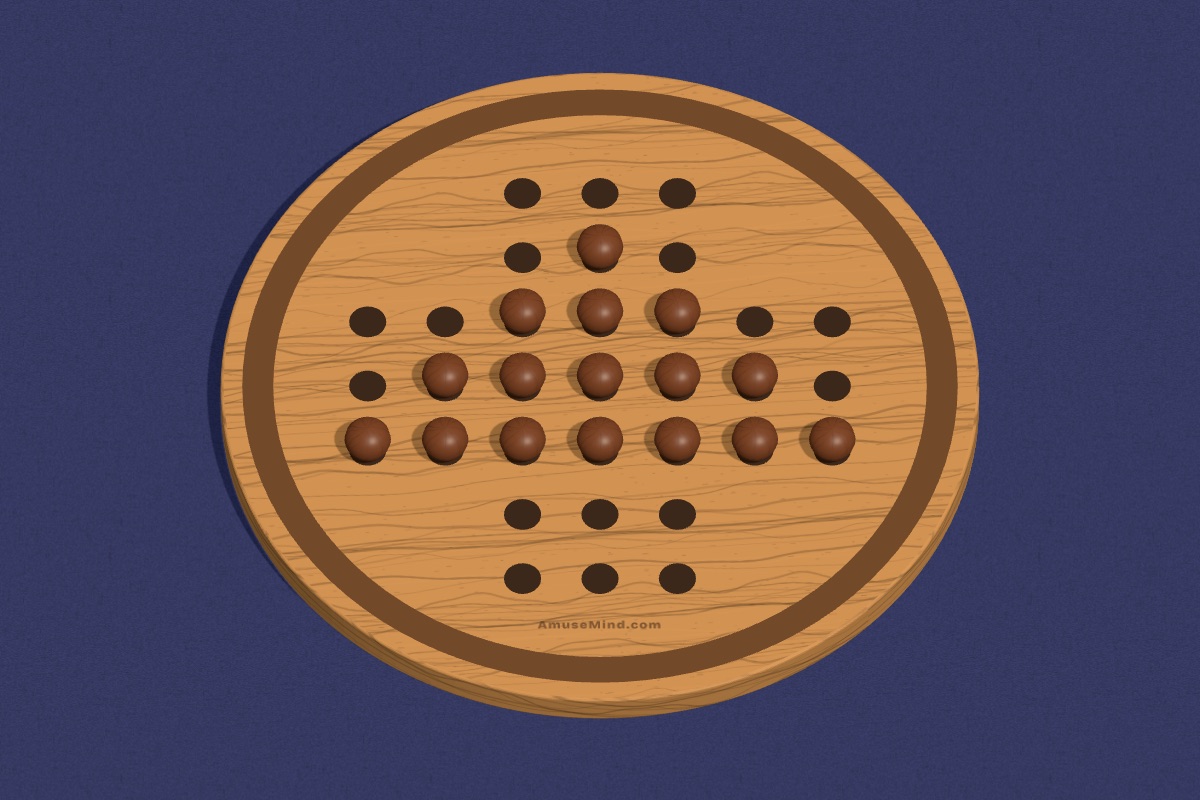
Sokoban (push crates onto spots, never pull) is the perfect seven year old puzzle: one rule, and every level teaches thinking a step ahead. Start on Beginner. Peg Solitaire on Beginner uses a small cross of pegs, so children learn how jumps work before facing the full board.
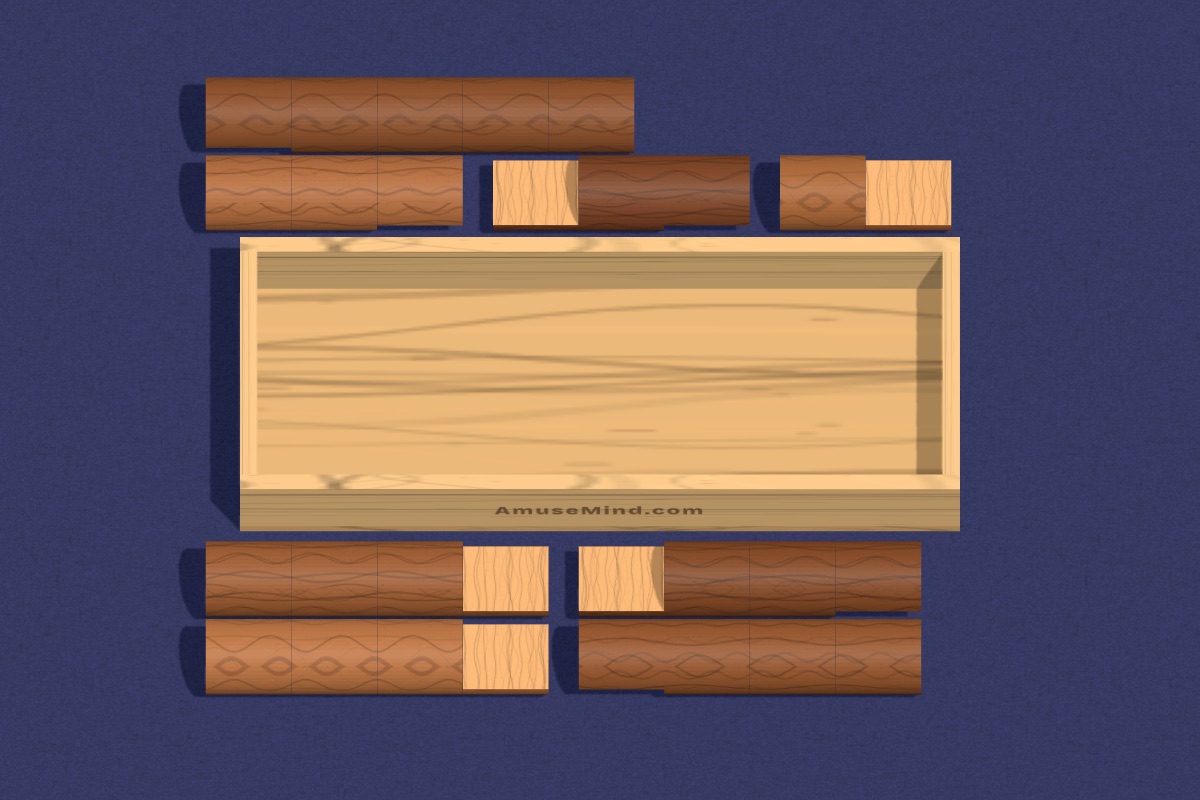
Eight Logs on Beginner keeps logs the right way round; the trick is that two half-cut ends can share one spot. Bridges and Nonogram are number logic without arithmetic: count, compare and rule things out. Sudoku starts on a small 4 by 4 grid and moves to 6 by 6 at Intermediate, so eight year olds can build up to the full 9 by 9.




If your child loves shapes
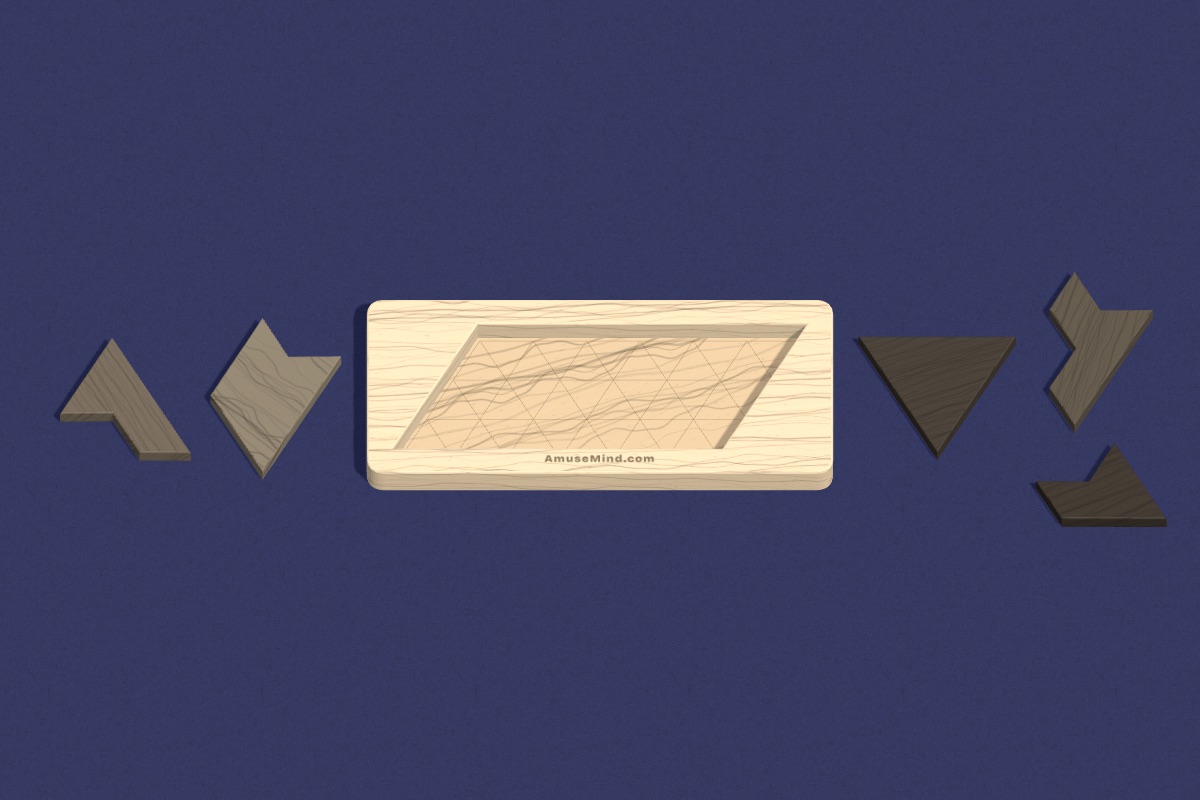
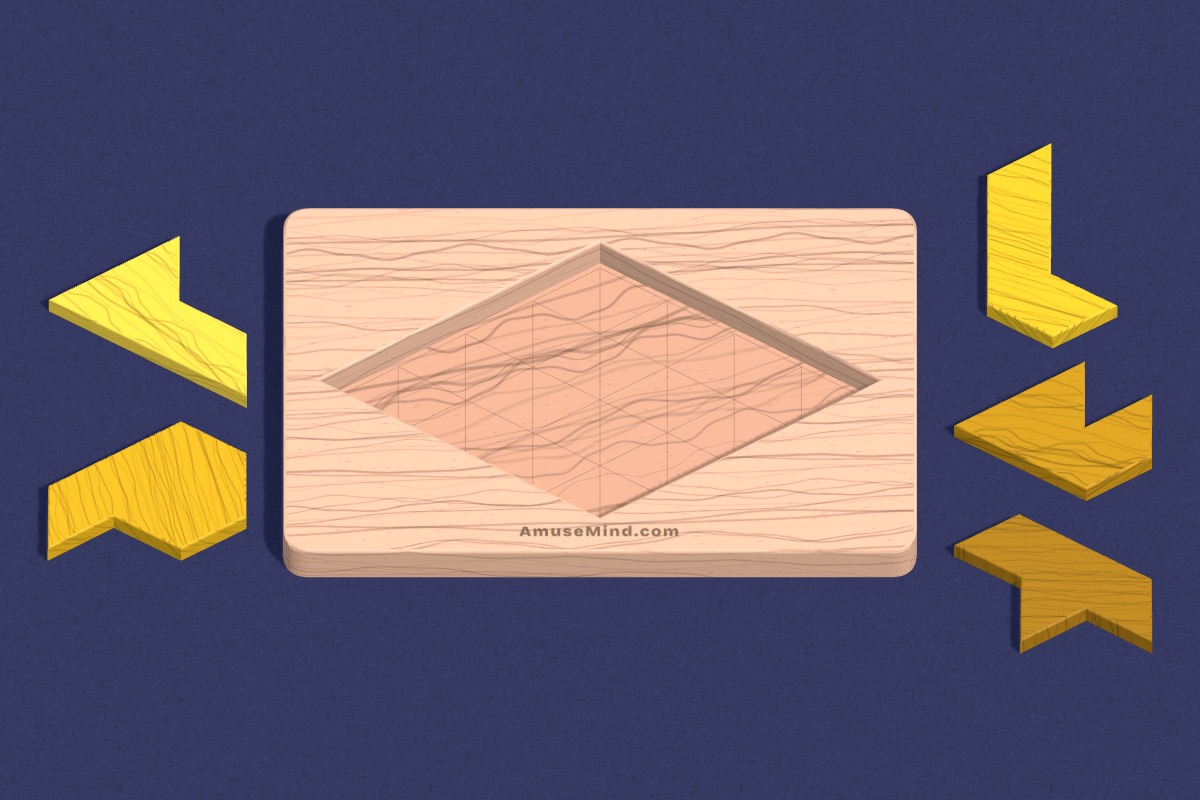
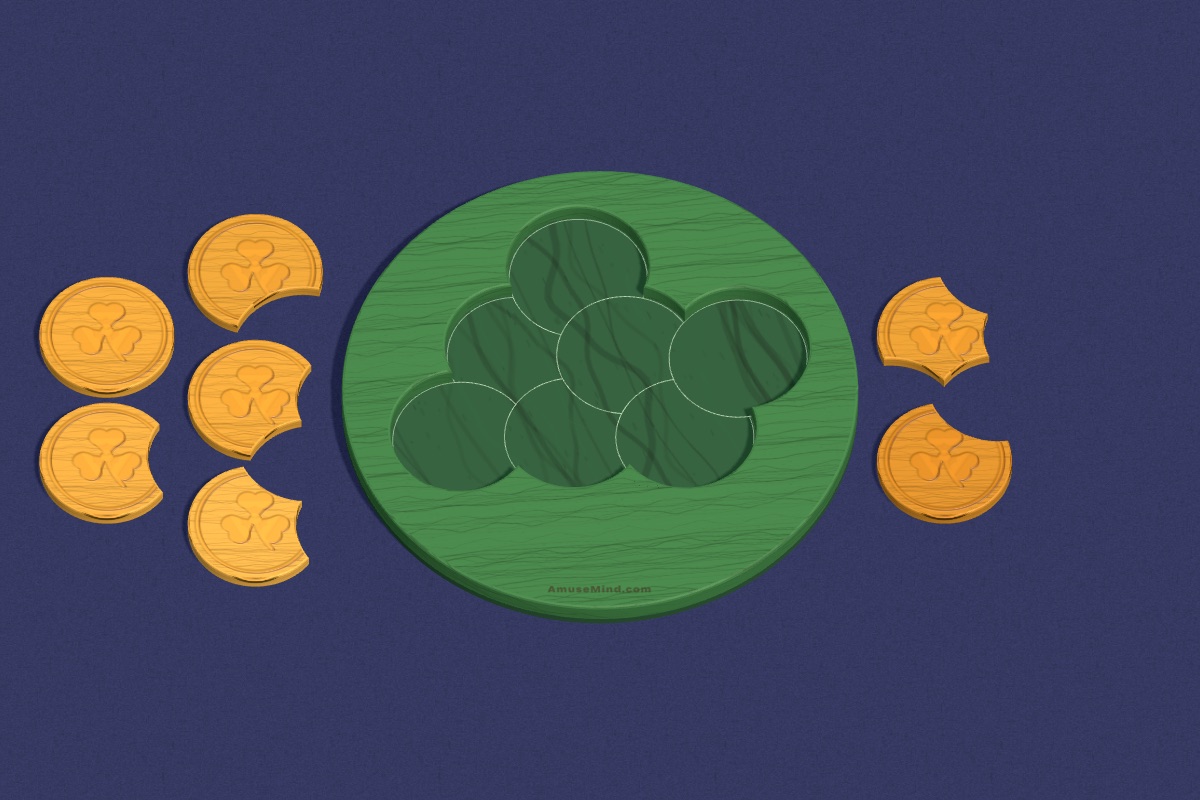
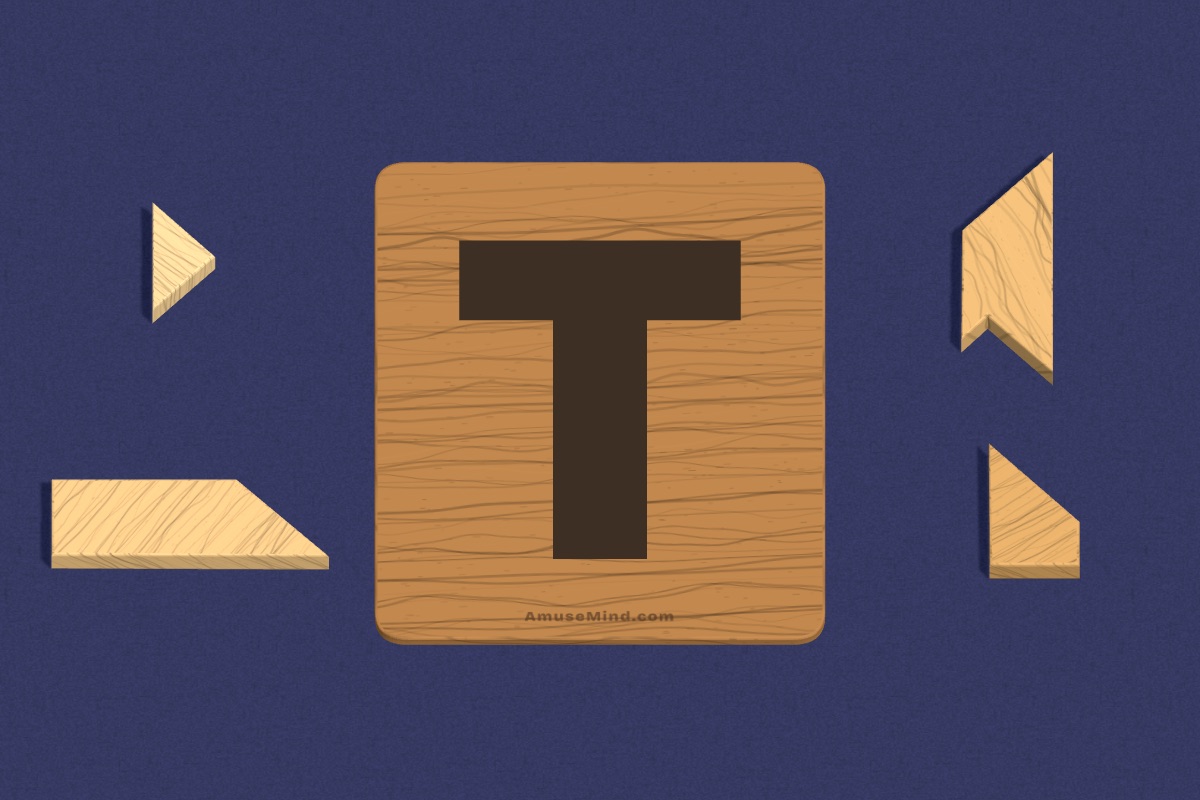
Tangram on Intermediate still shows piece outlines but turns the pieces. Parallelogram Tray and Diamond Tray start at seven and add flipping at the harder levels. Lucky Coins is a quirky one: coins with bites taken out that must nest together in a round tray.

How to play together, and when to step back
At this age, ask them to explain their thinking: “Why did you push that crate first?” Explaining out loud helps children notice their own strategies. If they ask for help, ask a question back before giving an answer.
Celebrate a good try as much as a finish. Undo is there for a reason: going back and trying another way is how puzzles teach.
Too hard or too easy?
If they’re stuck for a long time and getting cross, drop back a level; the next one up will still be there. If they breeze through, move up one level on the same puzzle. Eight year olds often surprise you on Pro.
Questions parents ask
Which logic puzzle is best for a 7 year old?
Sokoban is a great first choice: one simple rule, and each level needs a little more planning. Peg Solitaire and Eight Logs on Beginner are good too.
Is Sudoku too hard for an 8 year old?
Not if it starts small. AmuseMind’s Sudoku begins on a 4 by 4 grid and moves to 6 by 6 before the full 9 by 9.
Do these puzzles need maths skills?
Very little. Nonogram and Bridges use counting and comparing; most games are about shapes, rules and planning.

