Why these puzzles
Each puzzle is mapped to the thinking skills a maths curriculum leans on, from spatial reasoning to logic, and five levels mean siblings of different ages can play the same puzzle.
Tips
- Pick one skill a week and choose its puzzles from the skills pages.
- Ask your child to explain a winning strategy out loud.
- Mix one easy and one hard puzzle per session.
The puzzles
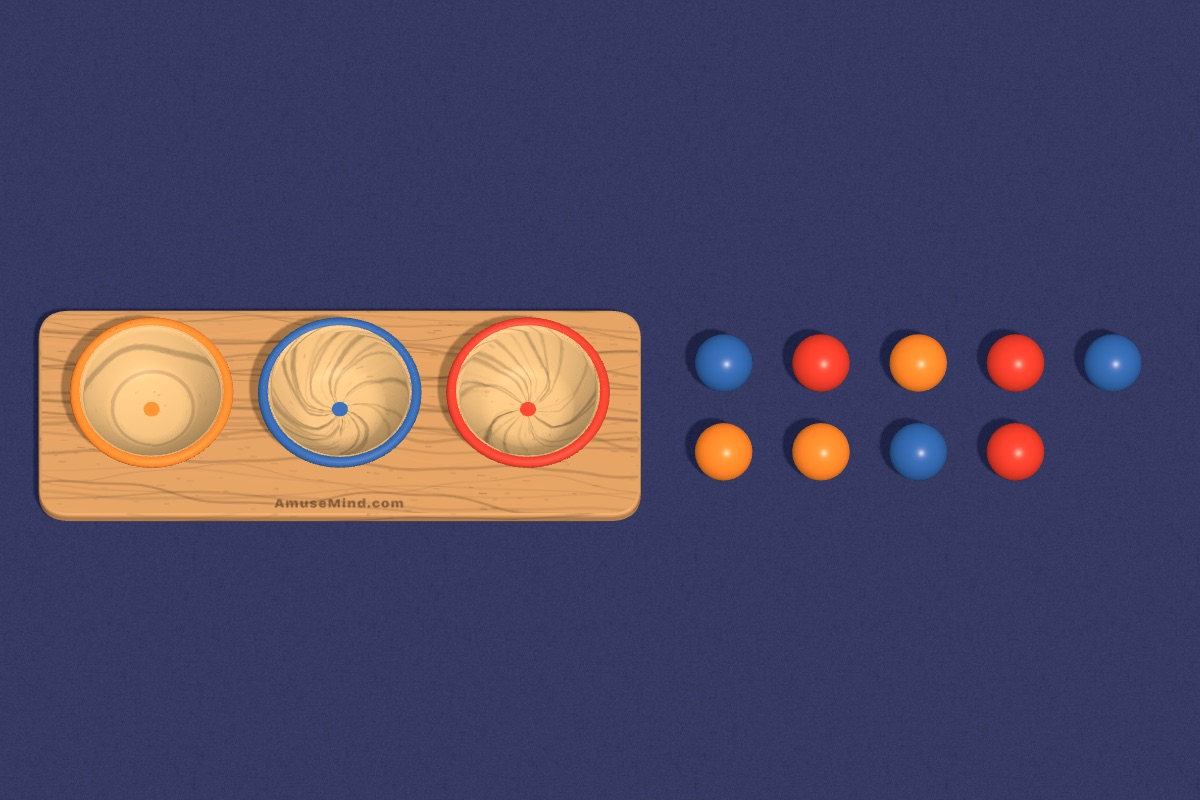
- Colour Sort (ages 3+): Put every wooden ball in the bowl of its colour. Builds attention to detail and logical reasoning.
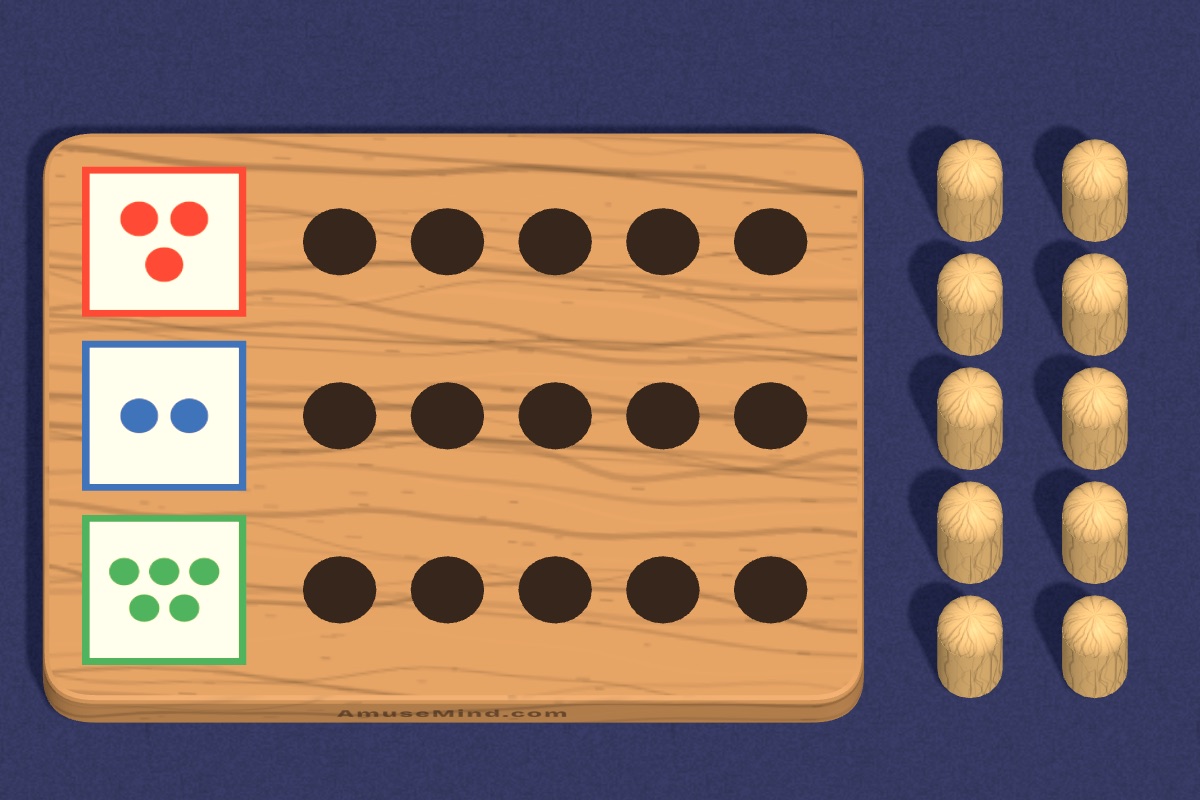
- Counting Pegs (ages 3+): Put the right number of pegs in each row of the pegboard. Builds number sense and persistence.
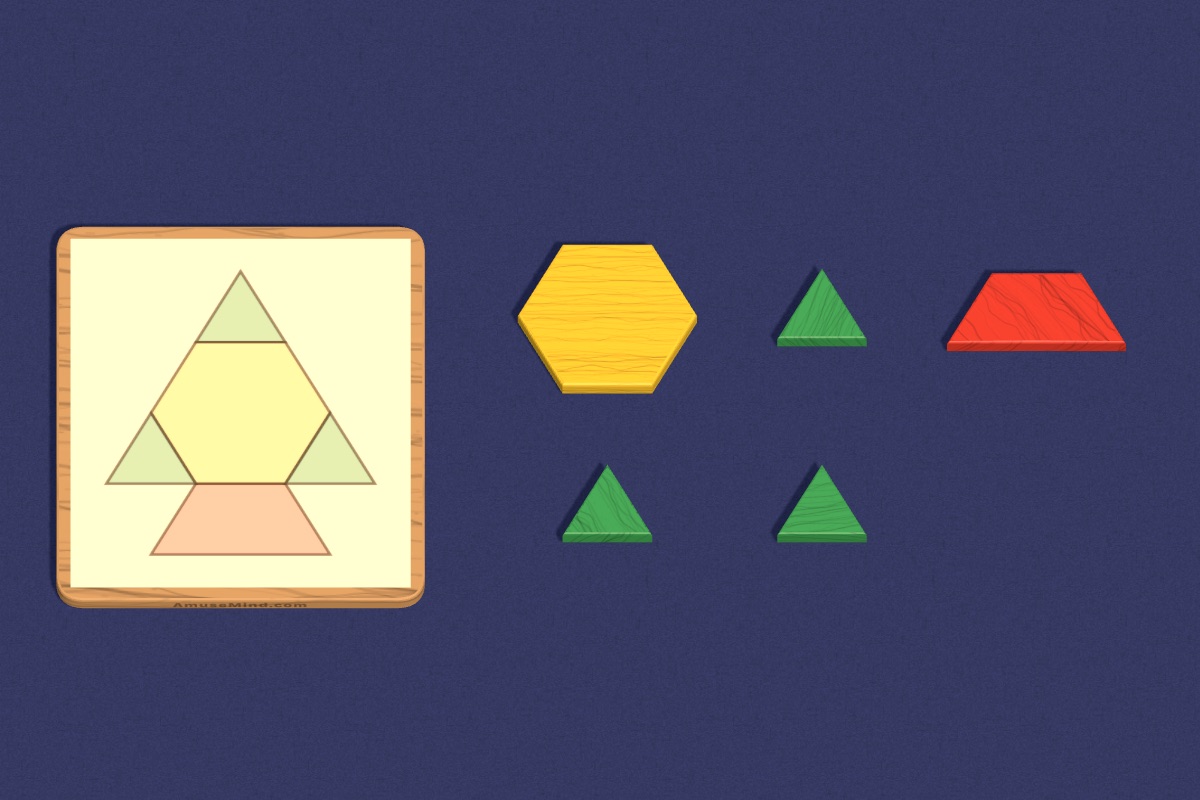
- Pattern Blocks (ages 3+): Fill the picture with yellow hexagons, red trapezoids, blue diamonds and green triangles. Builds shapes and geometry and spatial reasoning.
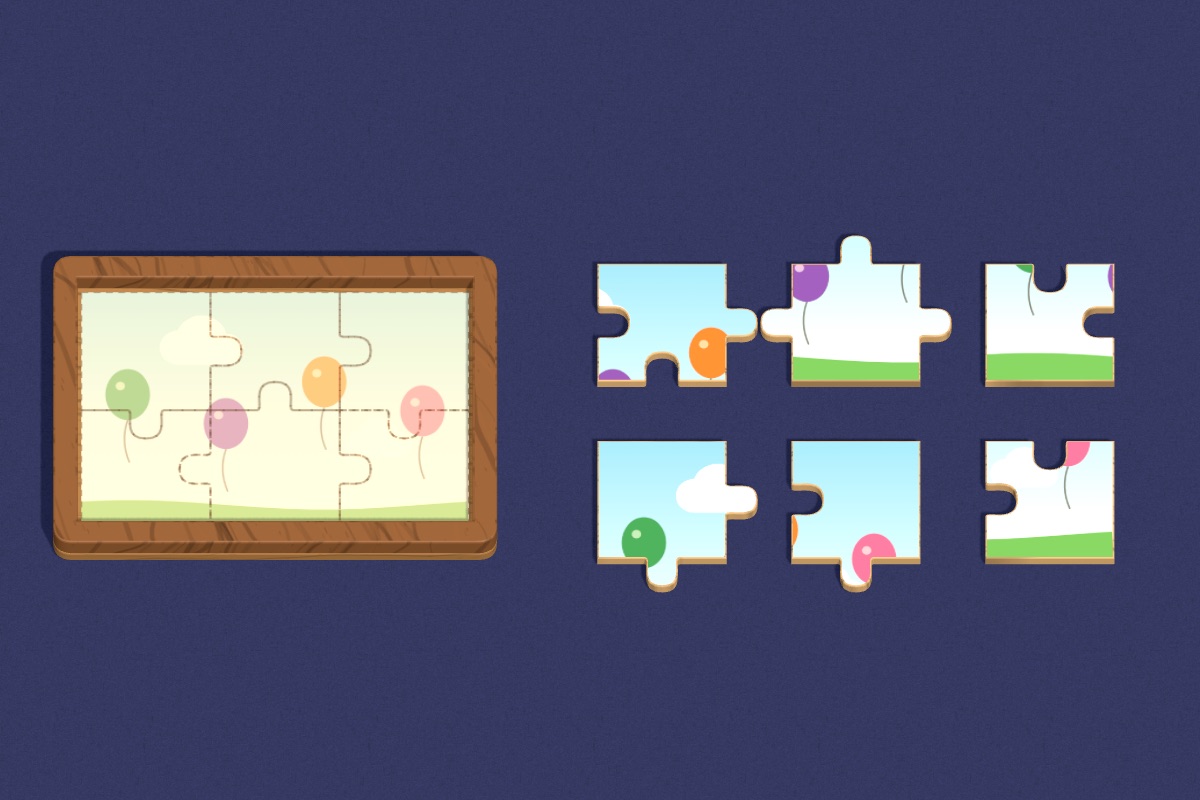
- Picture Jigsaw (ages 3+): A painted picture in a few big pieces. Put each one where it goes. Builds spatial reasoning and attention to detail.
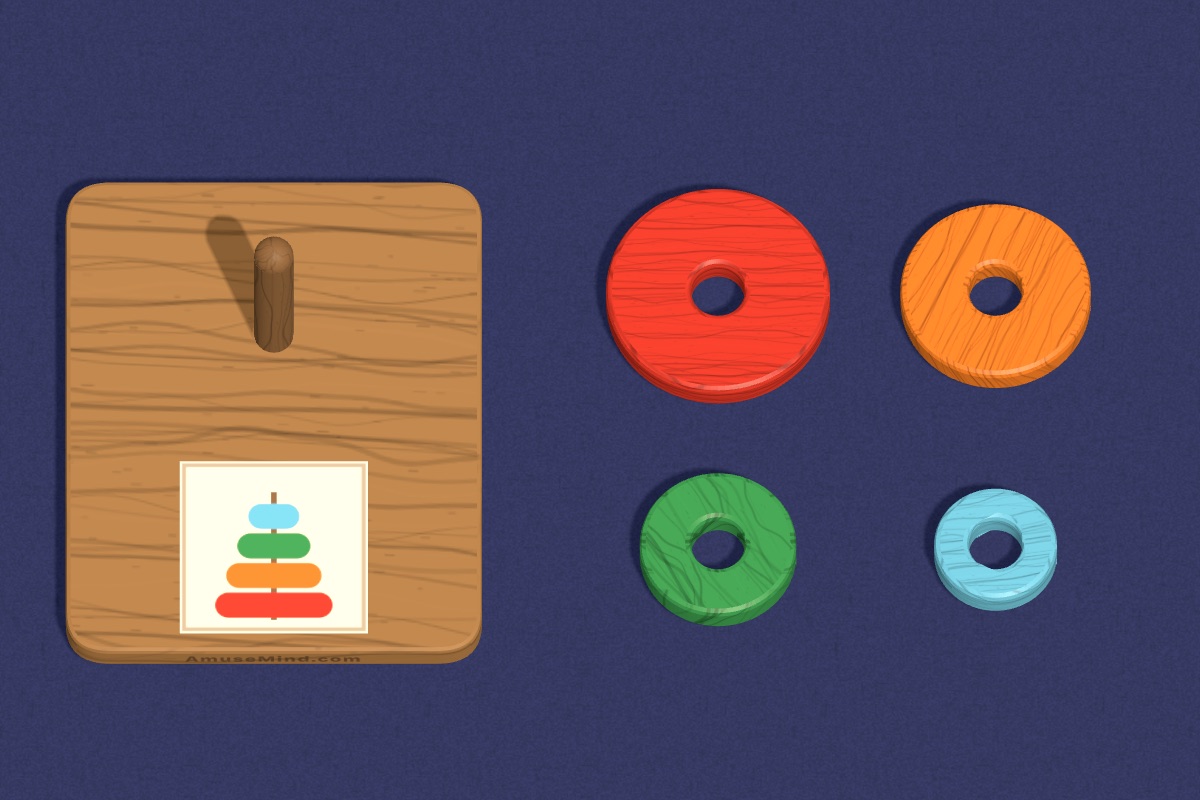
- Stacking Rings (ages 3+): Stack the wooden rings on their pegs, in the order the card shows. Builds logical reasoning and planning ahead.
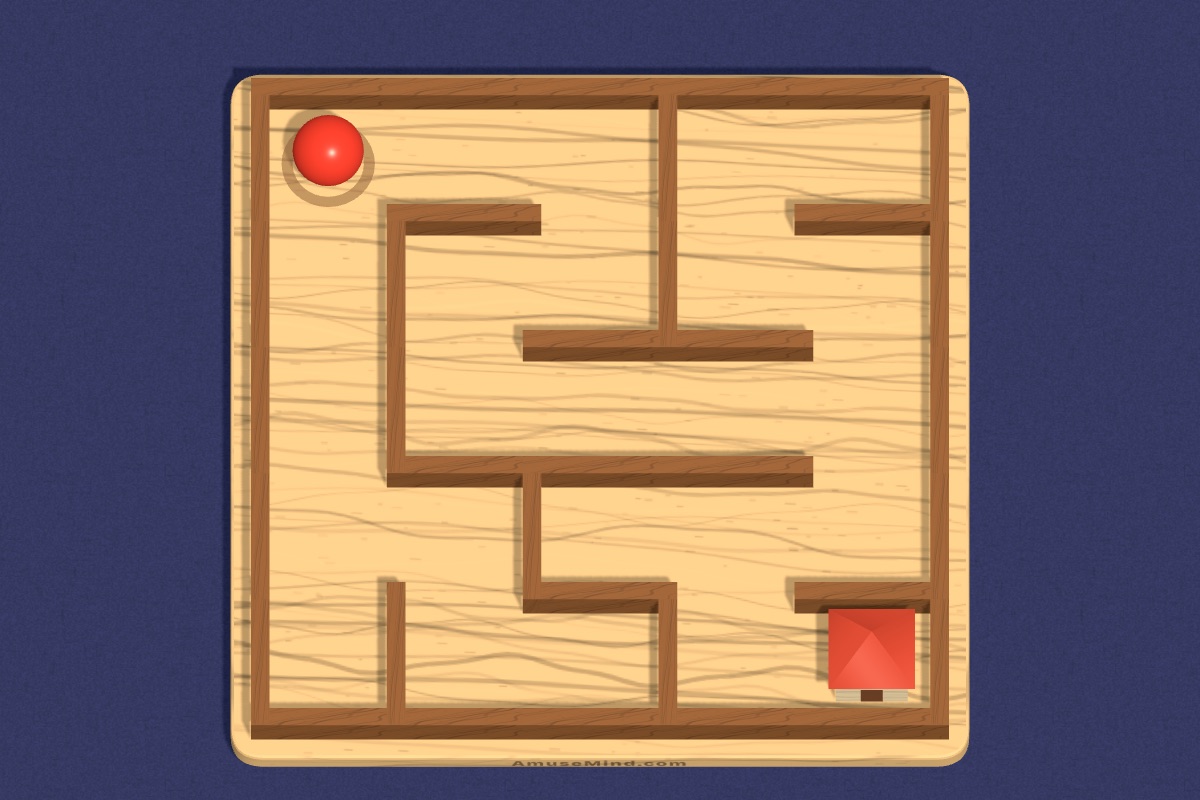
- Little Maze (ages 4+): Roll the bead along the grooves and get it home. Builds planning ahead and spatial reasoning.
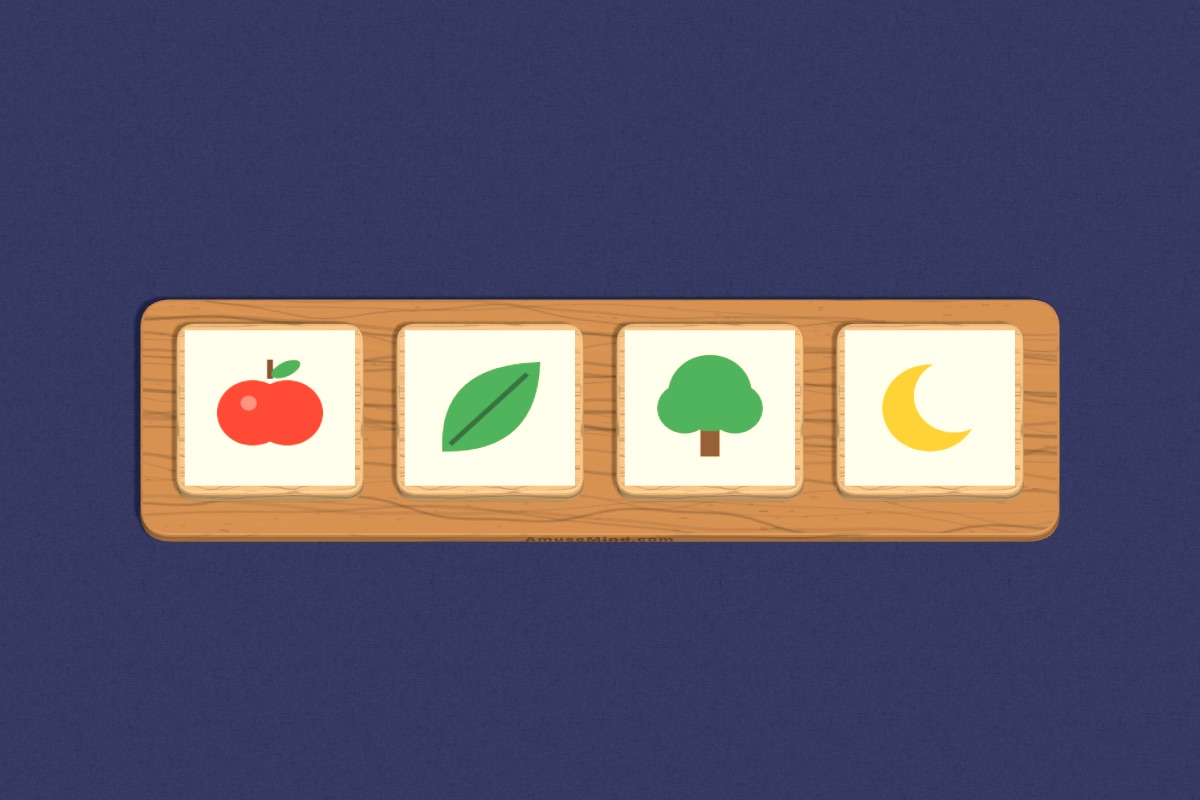
- Odd One Out (ages 4+): One of these doesn’t belong. Can you spot it? Builds logical reasoning and attention to detail.
- Shape Match (ages 4+): Fit the tiles together: every arrow, heart and key finds its matching hole. Builds shapes and geometry and spatial reasoning.
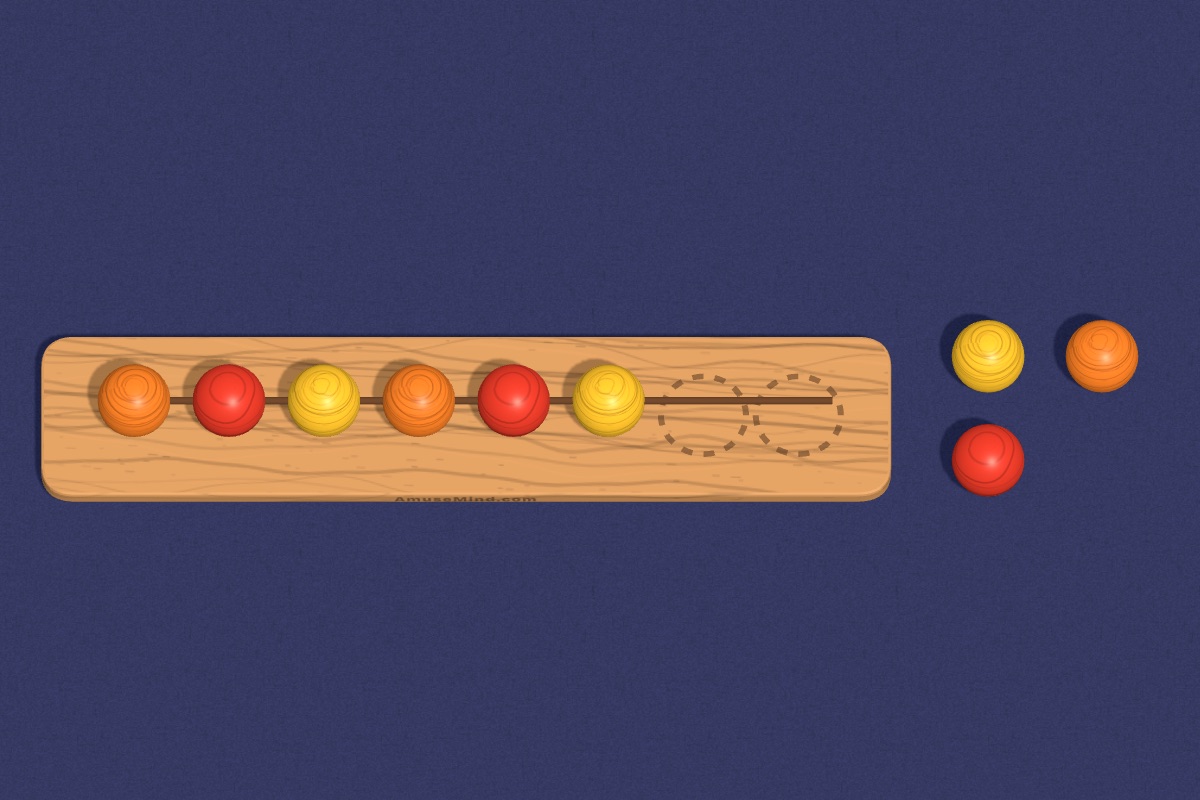
- What Comes Next (ages 4+): Red, blue, red, blue… finish the bead pattern. Builds pattern recognition and number sense.
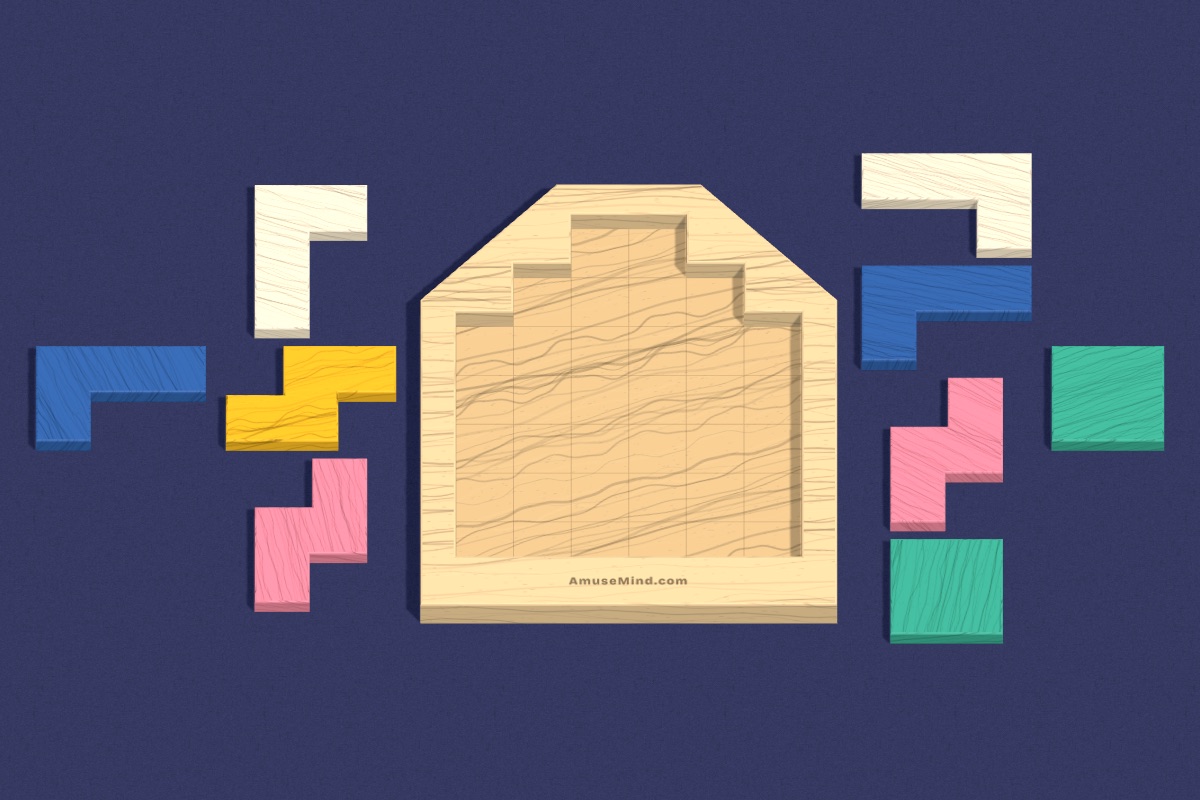
- Block House (ages 5+): Fill the wooden house with blocks. At the top levels they come in order. Builds spatial reasoning and planning ahead.
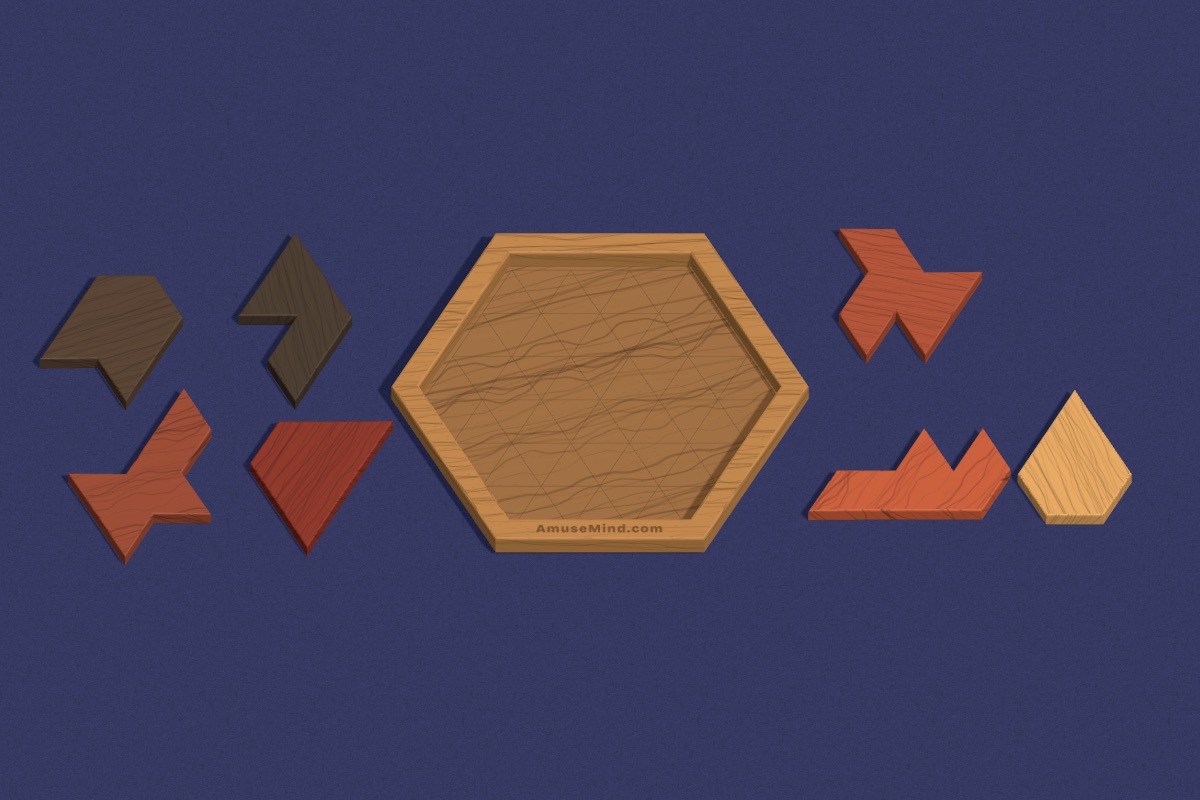
- Hexwood (ages 5+): Fill the hexagon tray. Pieces only snap when they truly fit. Builds spatial reasoning and shapes and geometry.
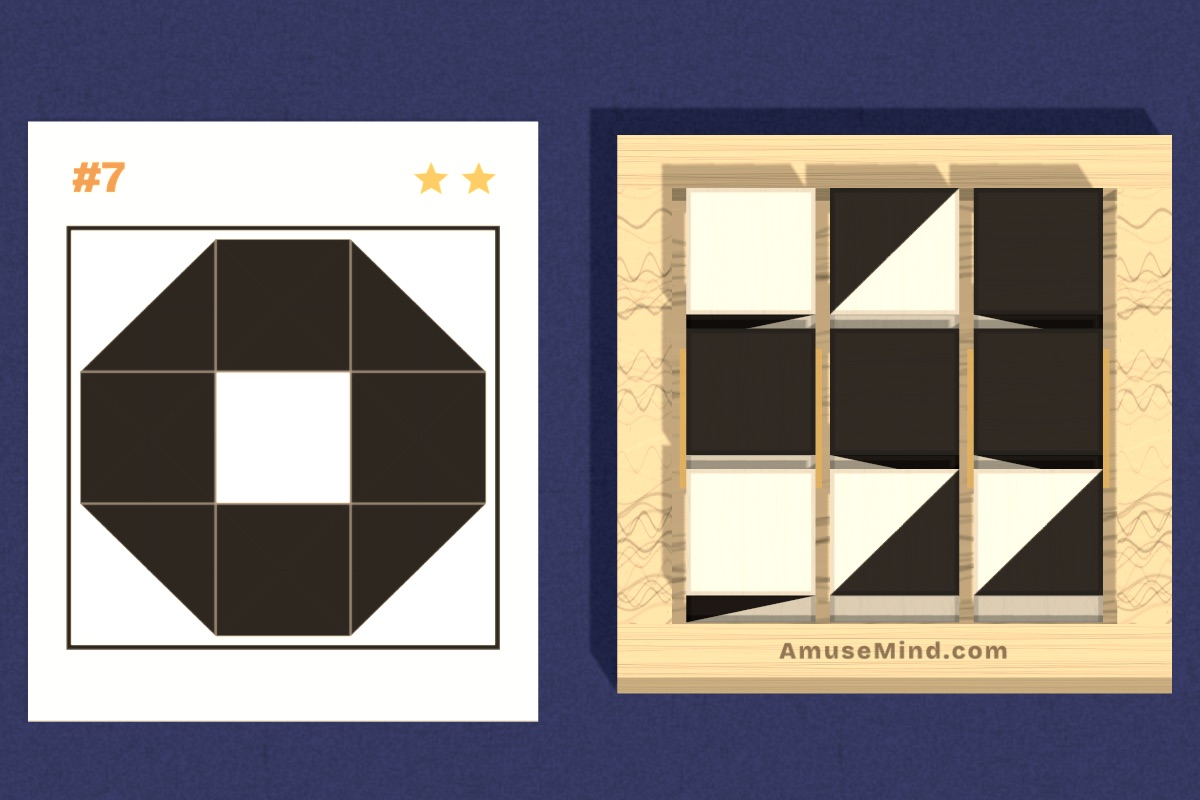
- Hidden Blocks (ages 5+): Copy the picture on the card by turning and arranging the blocks. Builds spatial reasoning and pattern recognition.
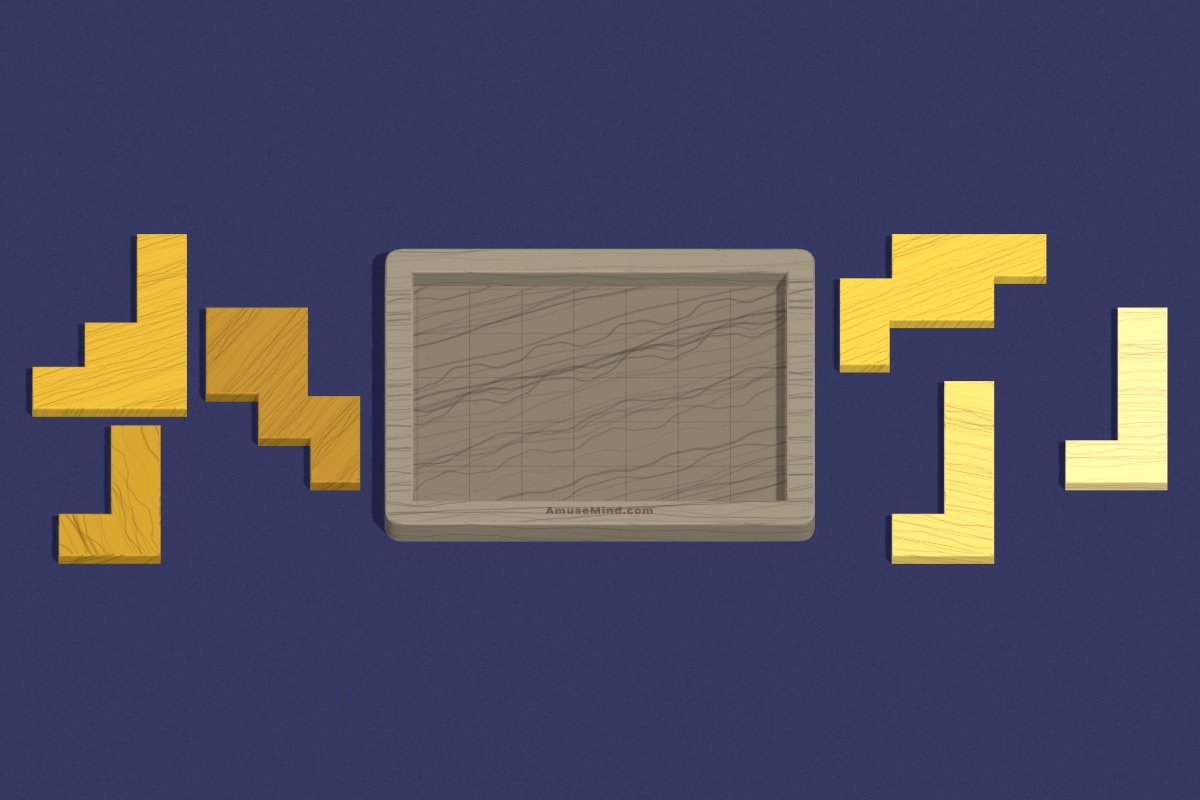
- Rectangle Tray (ages 5+): Fit every wooden piece into the rectangle, with none left over. Builds spatial reasoning and shapes and geometry.
- Tangram (ages 5+): Seven wooden shapes, one picture. Turn and flip them to fill it. Builds spatial reasoning and shapes and geometry.
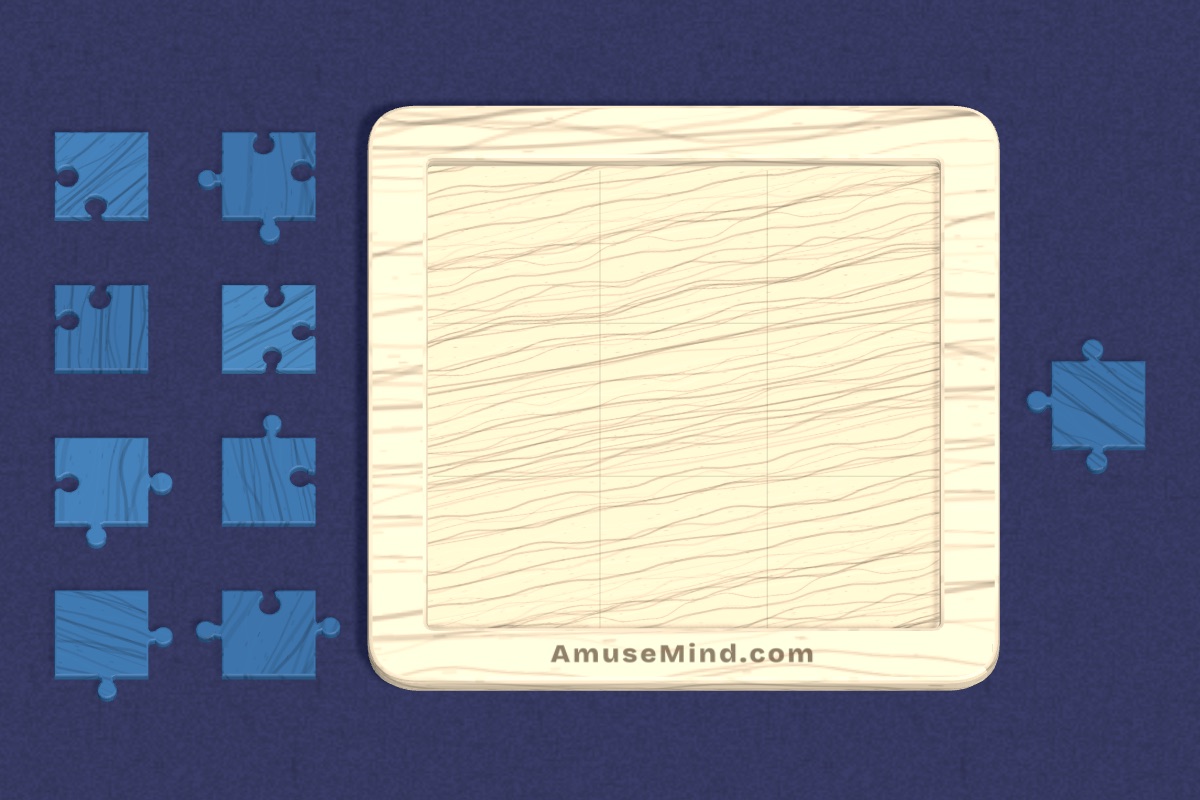
- Blank Jigsaw (ages 6+): A jigsaw with no picture. Only the shapes tell you where pieces go. Builds spatial reasoning and pattern recognition.
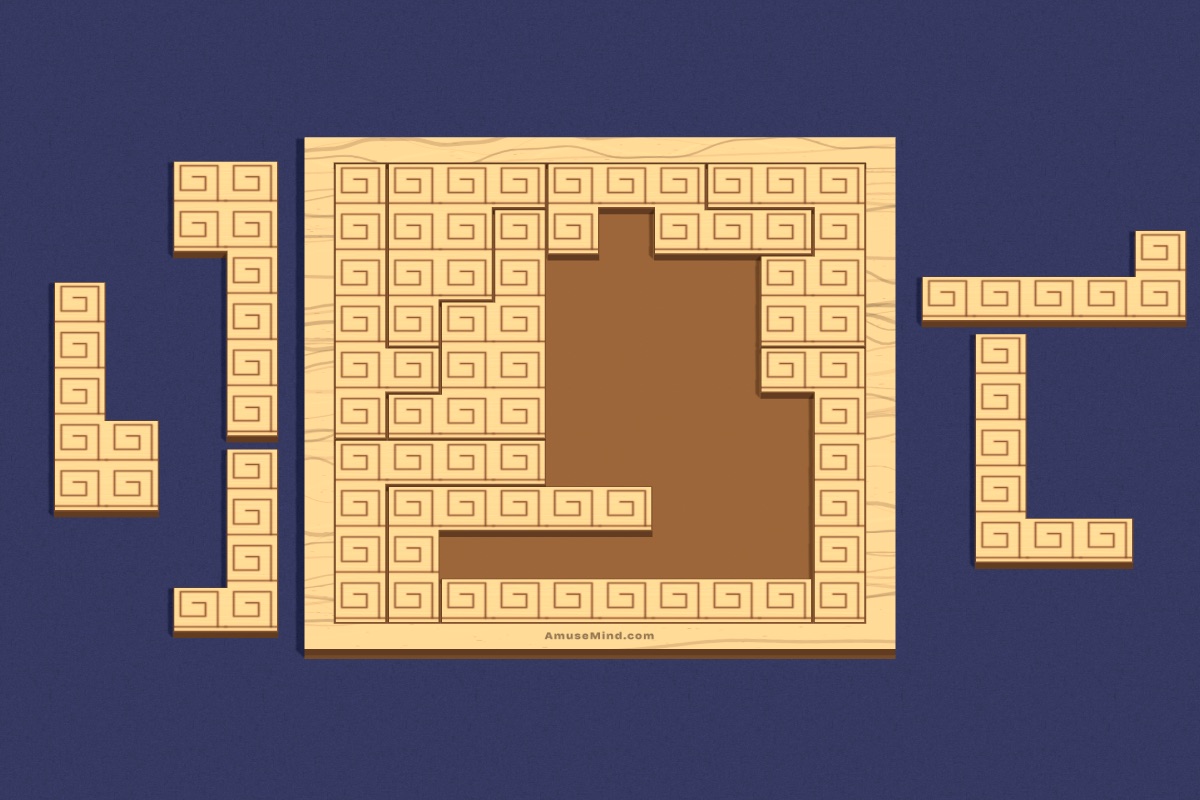
- Hakoiri Musume (ages 6+): Japan’s classic sliding-block puzzle: slide the big block out of the box. Builds planning ahead and logical reasoning.
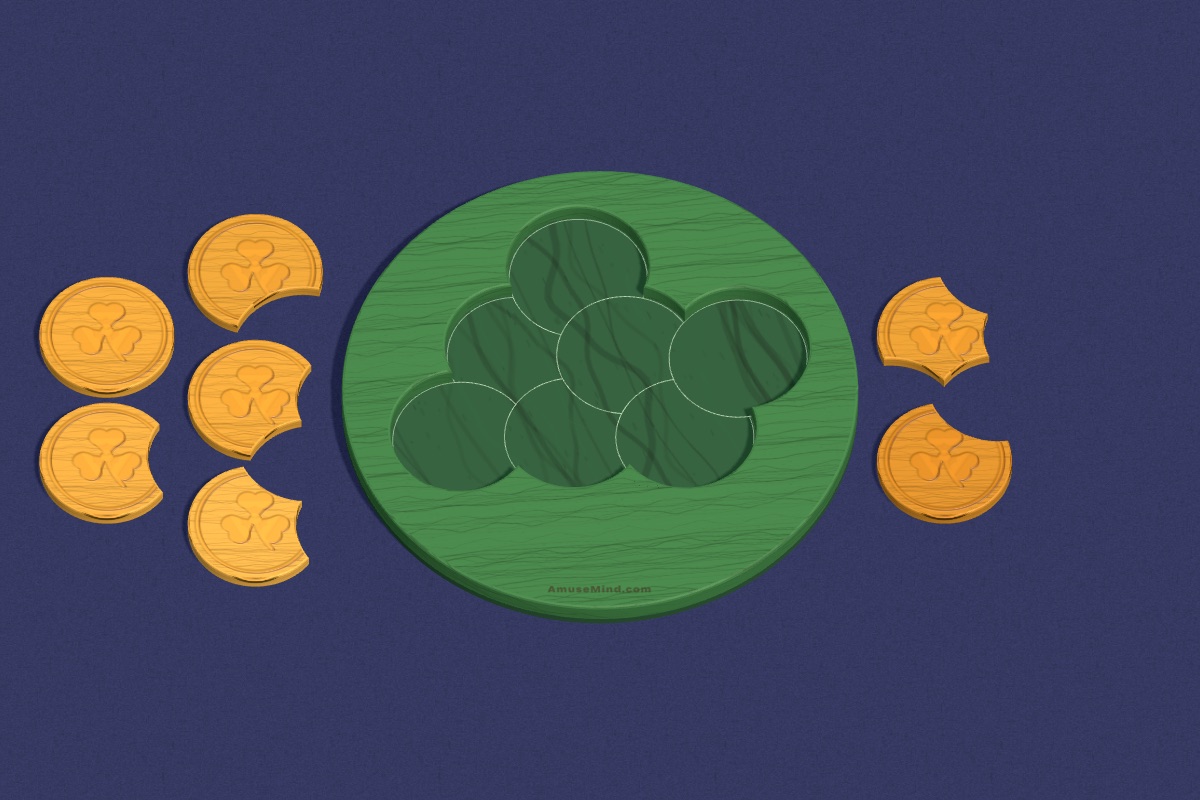
- Lucky Coins (ages 6+): Fit every bitten clover coin into the round tray. Builds spatial reasoning and shapes and geometry.
- Number Slide (ages 6+): Slide the wooden tiles until the numbers are back in order. Builds planning ahead and logical reasoning.
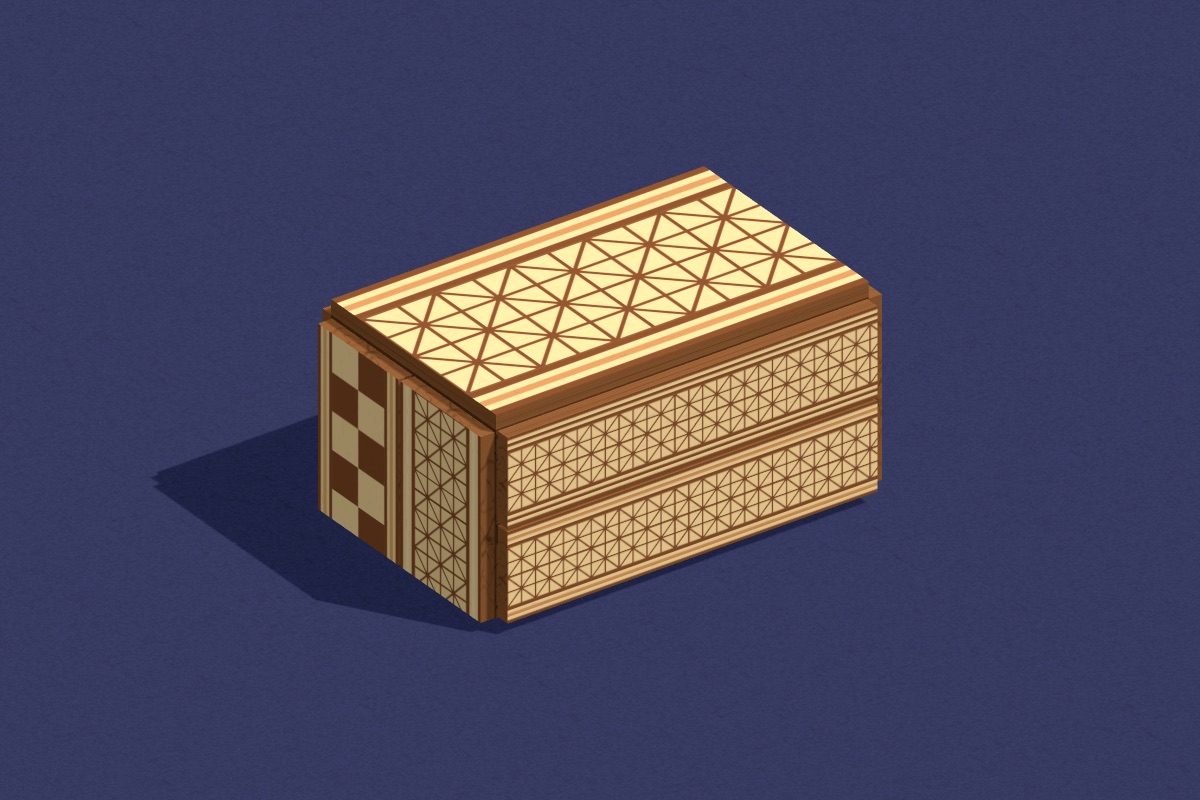
- Puzzle Box (ages 6+): A Japanese secret box. Slide the hidden panels in the right order to open it. Builds logical reasoning and persistence.
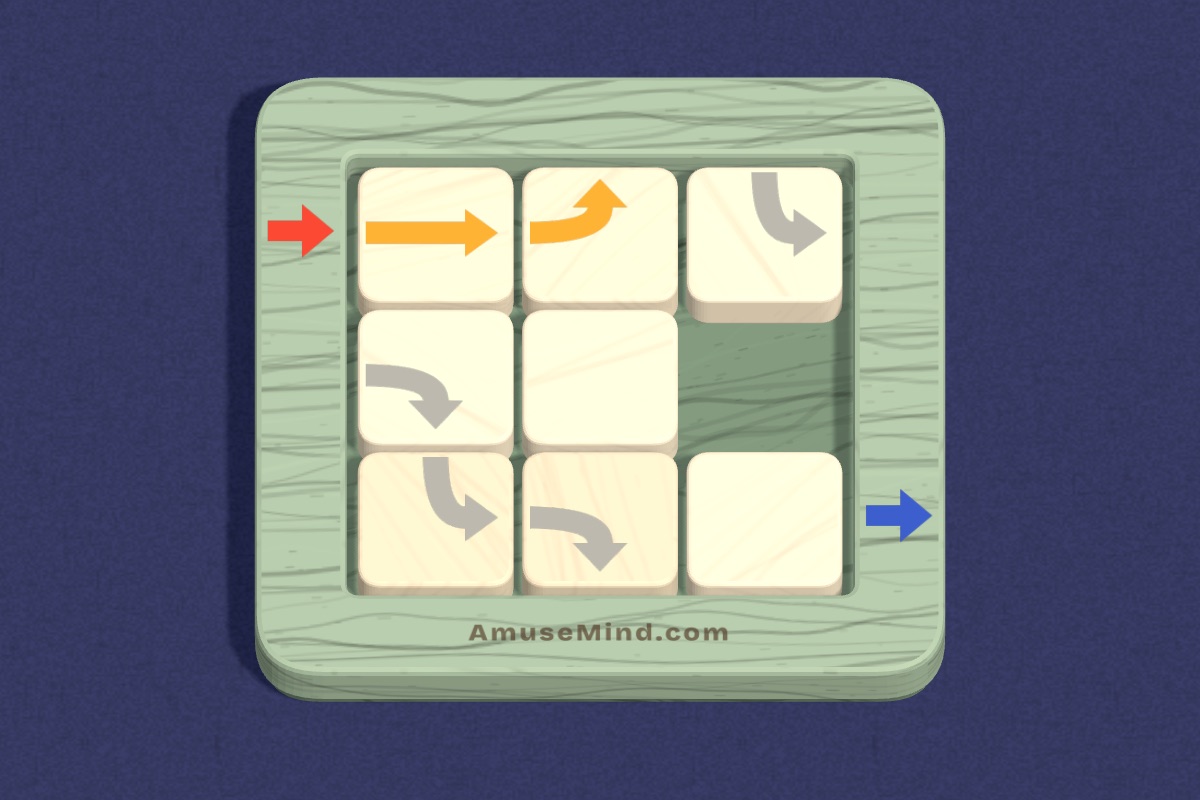
- Road Slide (ages 6+): Slide the road tiles until the arrows join into one road. Builds planning ahead and logical reasoning.
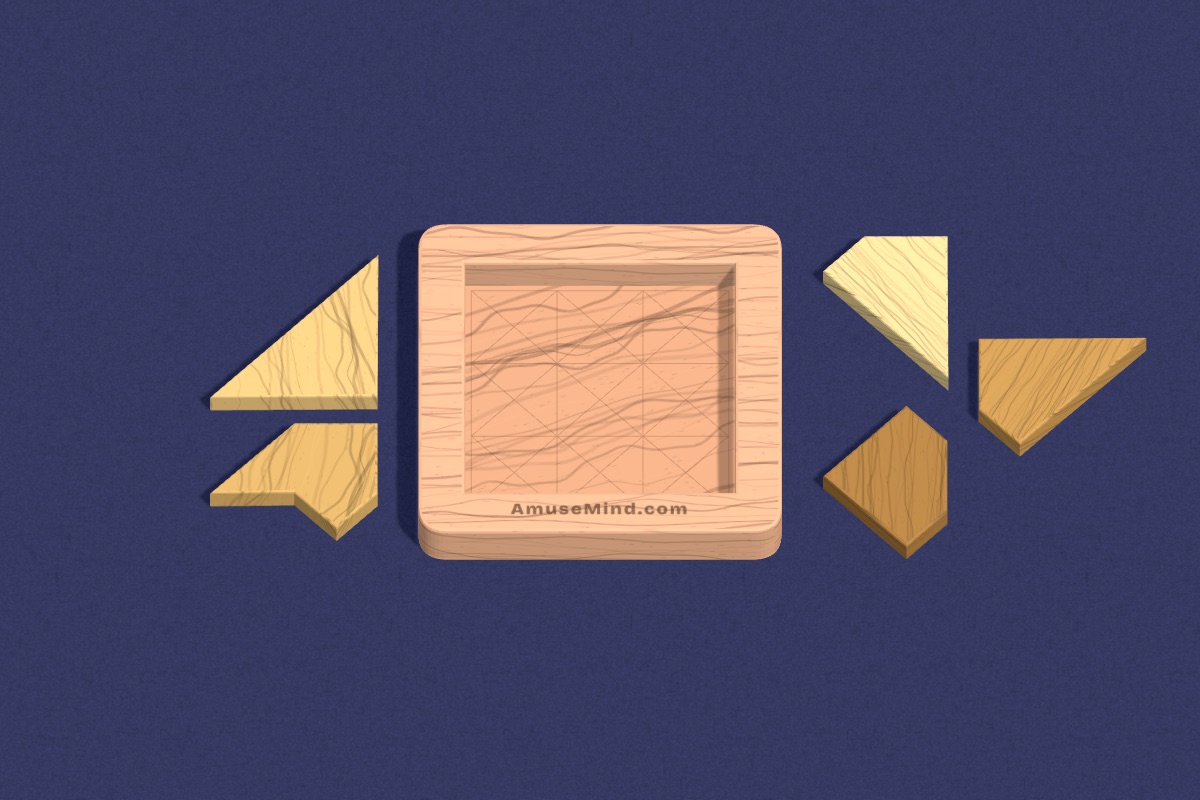
- Square Tray (ages 6+): Fit every wooden piece into the square, with none left over. Builds spatial reasoning and shapes and geometry.
- Sudoku (ages 6+): Fill the grid so every row, column and box has each number once. Builds logical reasoning and number sense.
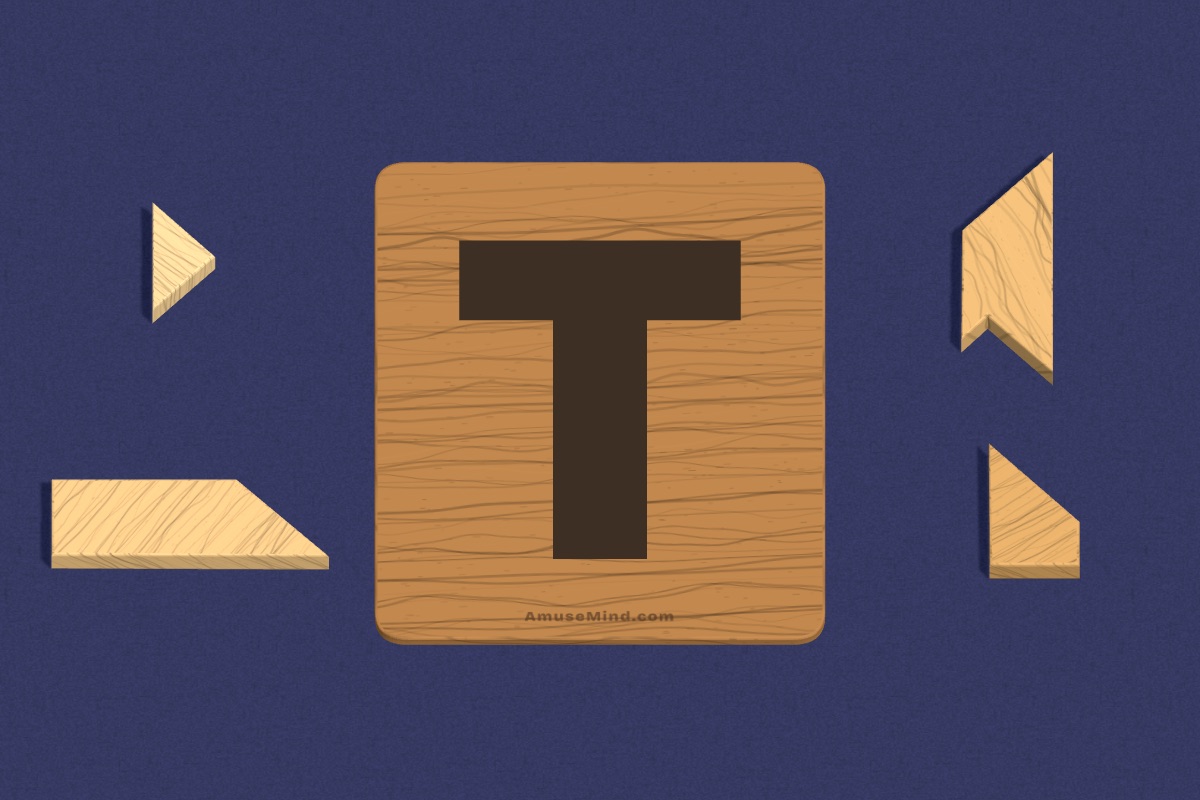
- T Puzzle (ages 6+): Four wooden pieces make a T, and dozens of other shapes. Builds spatial reasoning and shapes and geometry.
- Tower of Hanoi (ages 6+): Move the tower to the last peg. A big ring never sits on a small one. Builds planning ahead and logical reasoning.
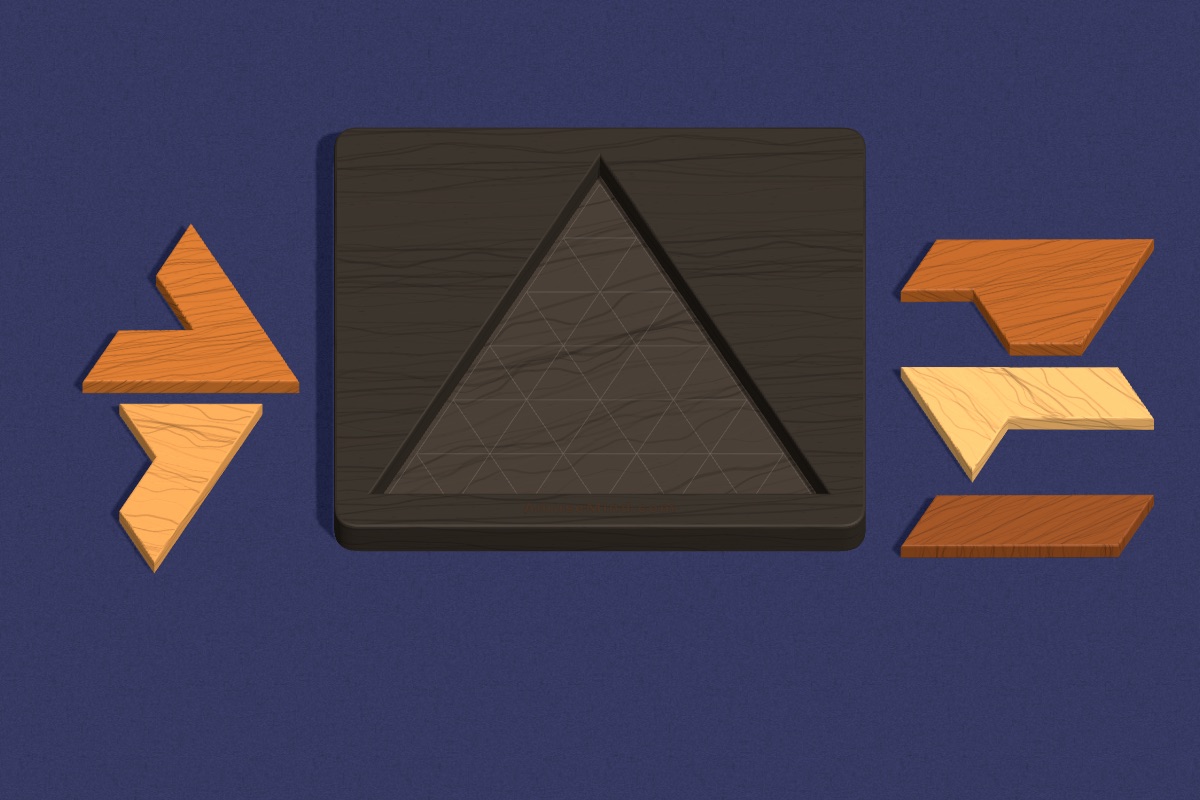
- Triangle Tray (ages 6+): Fit every wooden piece into the triangle, with none left over. Builds spatial reasoning and shapes and geometry.
- Bridges (ages 7+): Join every island with bridges. Each island’s number is how many it needs. Builds logical reasoning and planning ahead.
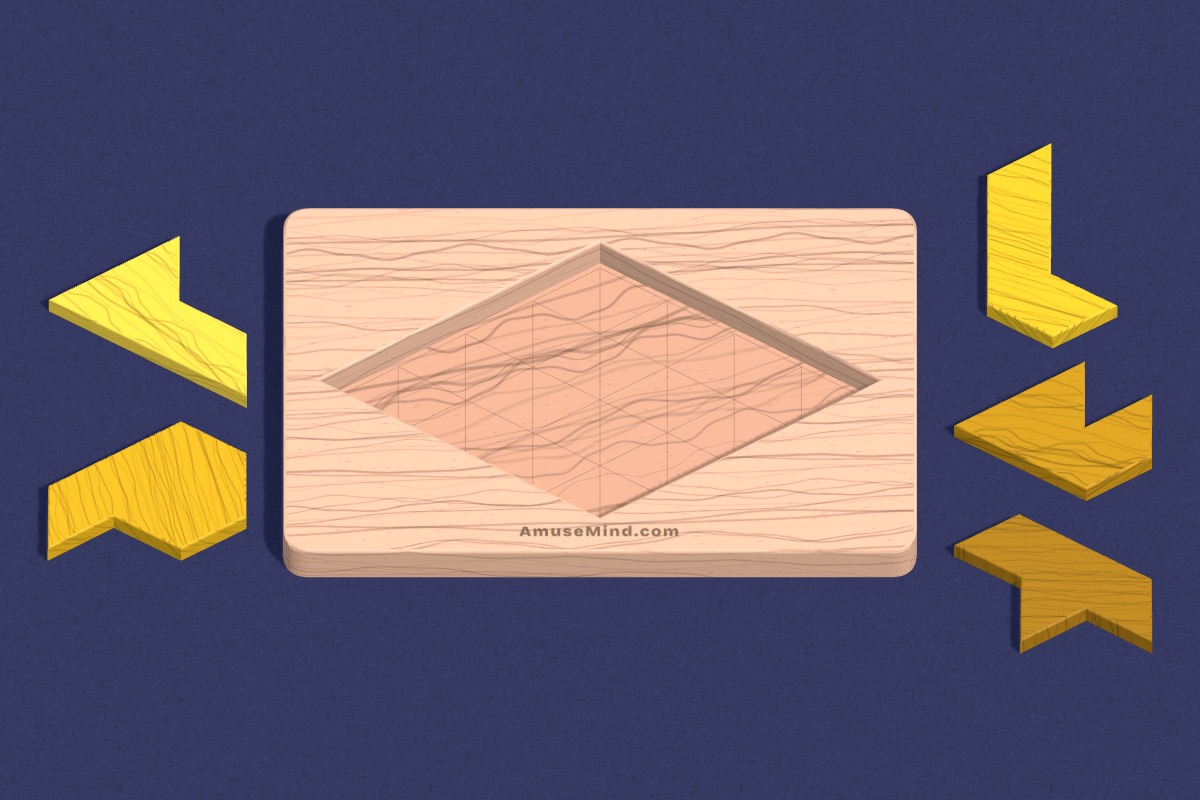
- Diamond Tray (ages 7+): Fit every wooden piece into the diamond, with none left over. Builds spatial reasoning and shapes and geometry.
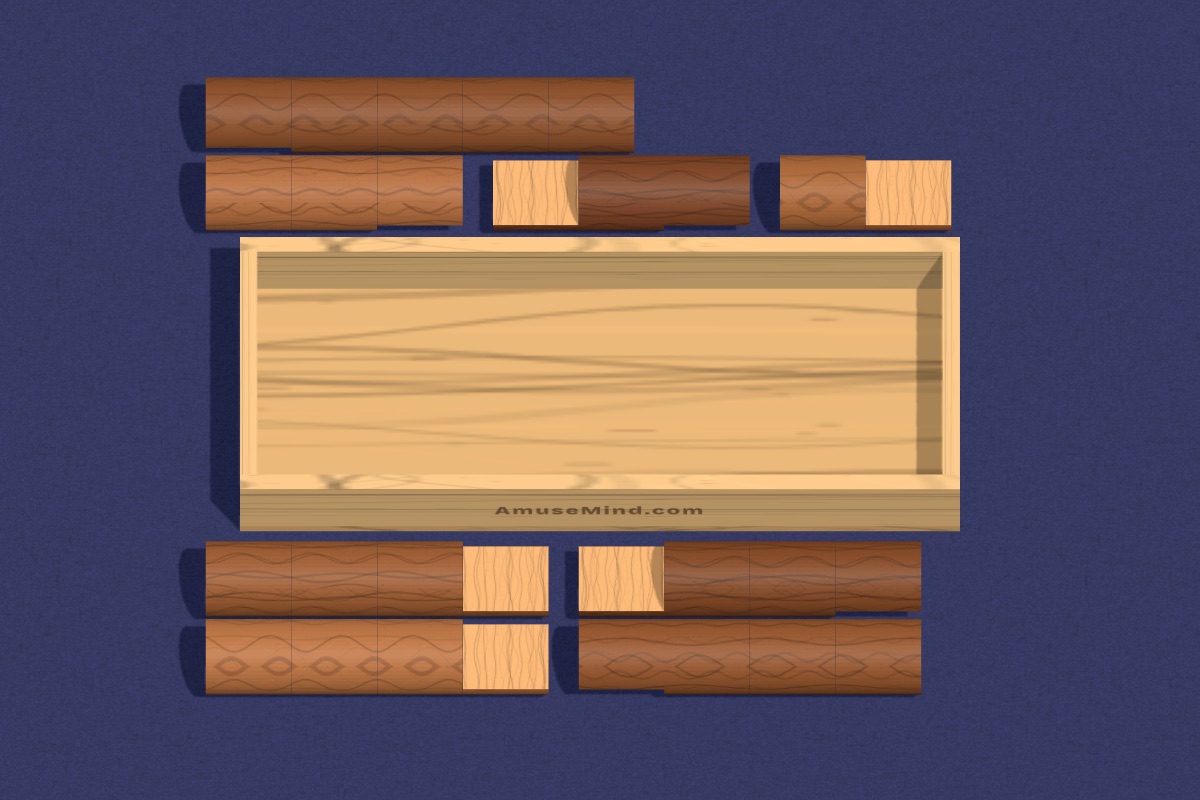
- Eight Logs (ages 7+): Fit every log in the box. Two half-cut ends can share one spot. Builds spatial reasoning and logical reasoning.
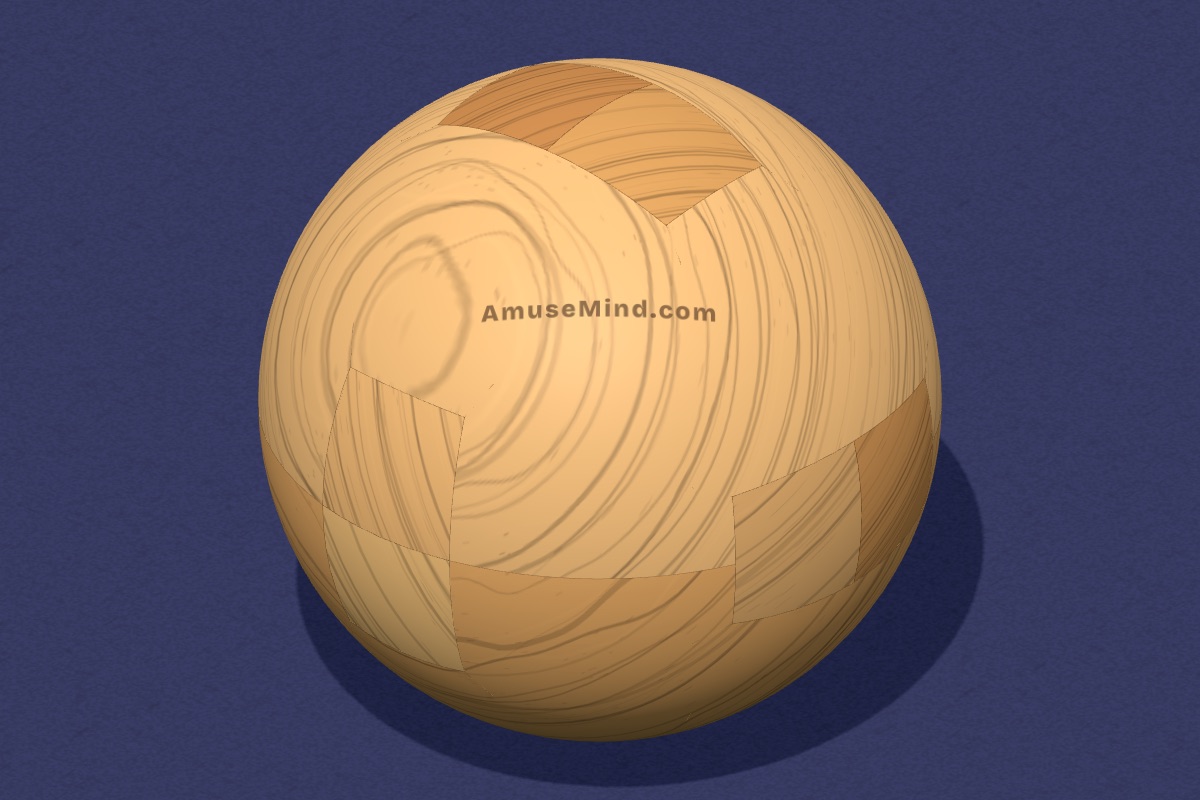
- Luban Lock (ages 7+): Take the wooden lock apart. Only one piece can move at a time. Builds spatial reasoning and planning ahead.
- Nonogram (ages 7+): Use the number clues to fill the right squares and reveal a picture. Builds logical reasoning and number sense.
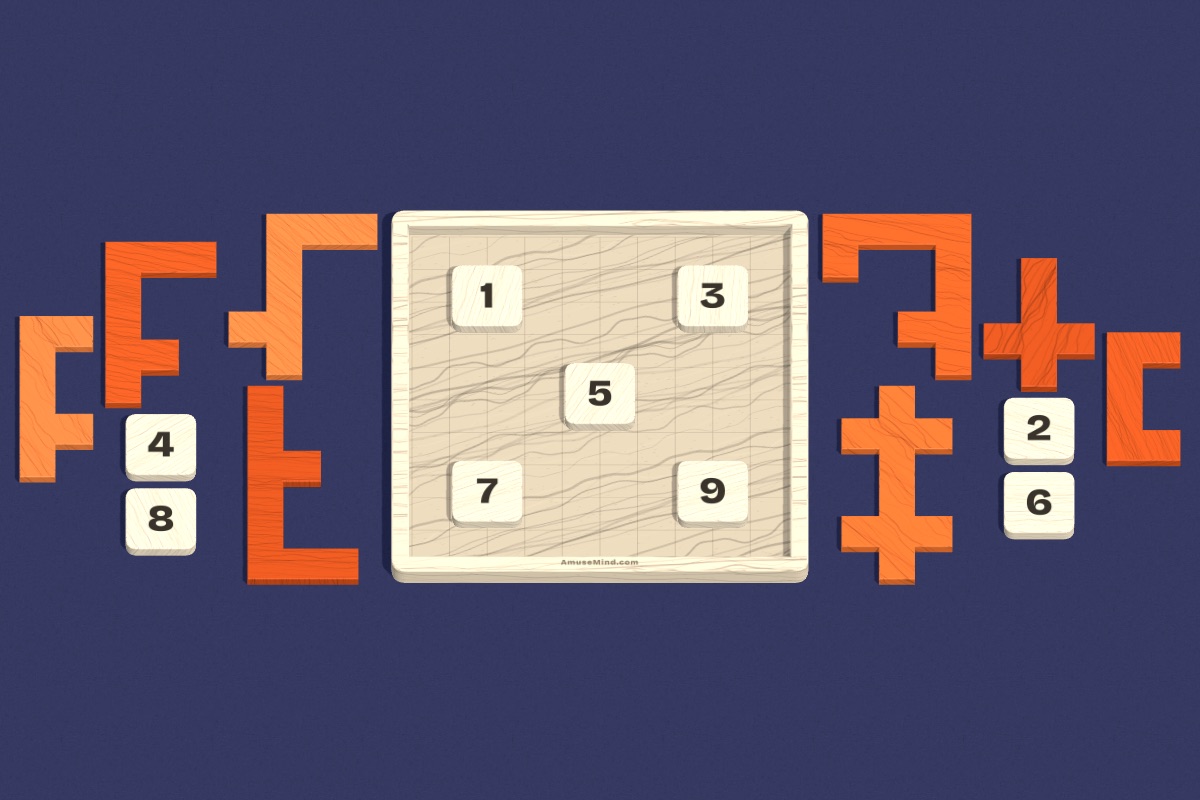
- Number Frame (ages 7+): Fit the frame pieces and number tiles so 1 to 9 read in order. Builds spatial reasoning and planning ahead.
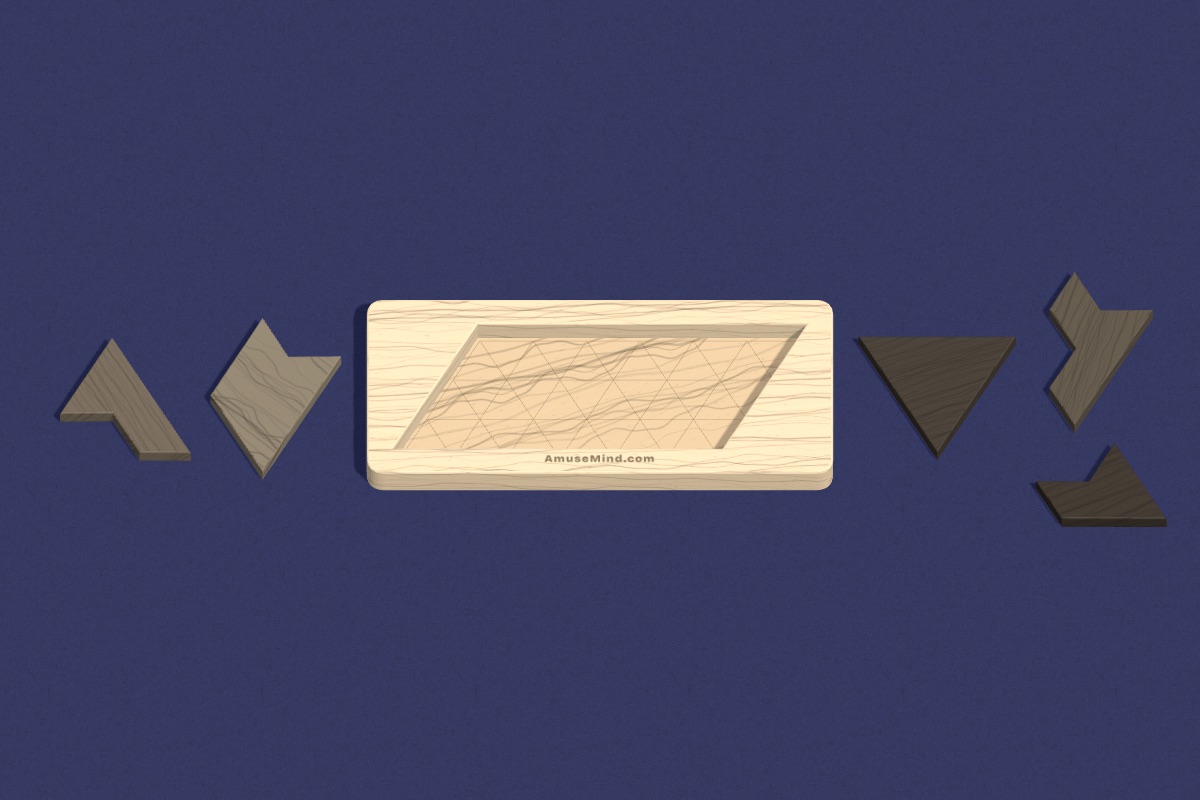
- Parallelogram Tray (ages 7+): Fit every wooden piece into the parallelogram, with none left over. Builds spatial reasoning and shapes and geometry.
- Pattern Boards (ages 7+): A carved board with a hole. Find where every patterned piece fits. Builds spatial reasoning and pattern recognition.
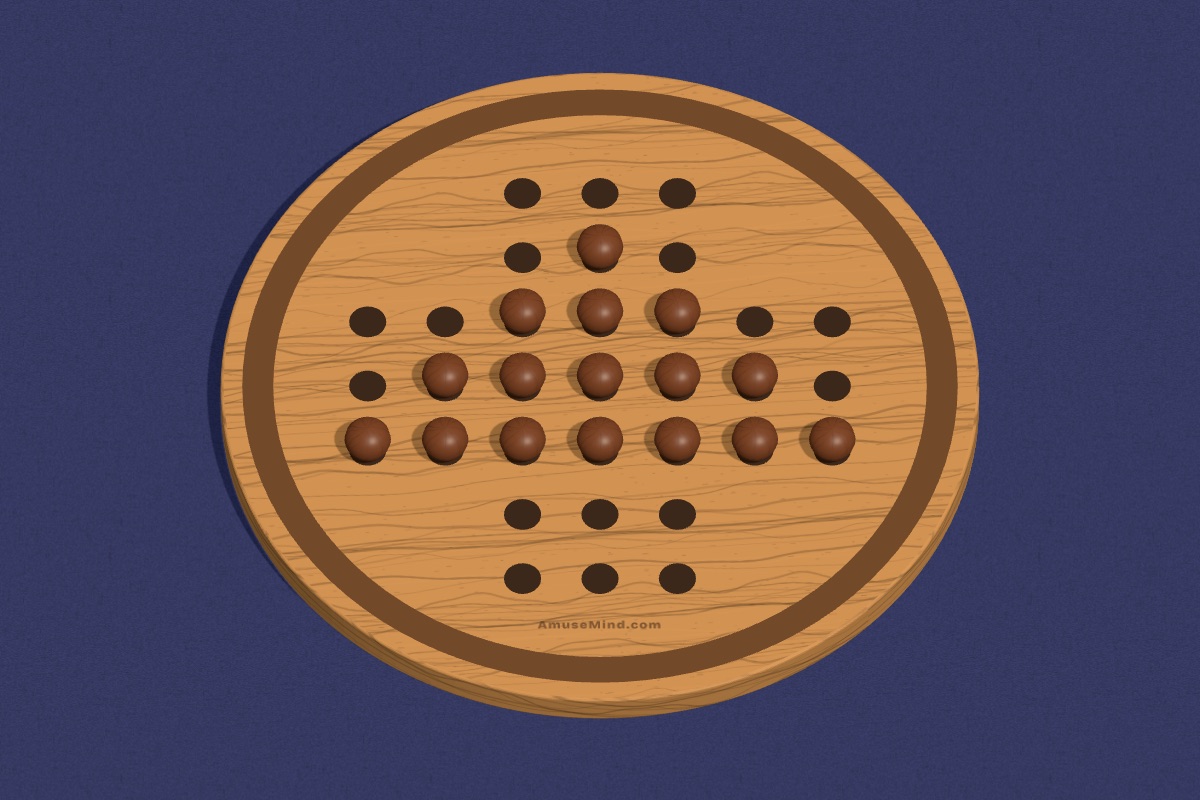
- Peg Solitaire (ages 7+): Jump pegs over each other until only one is left. Builds logical reasoning and planning ahead.
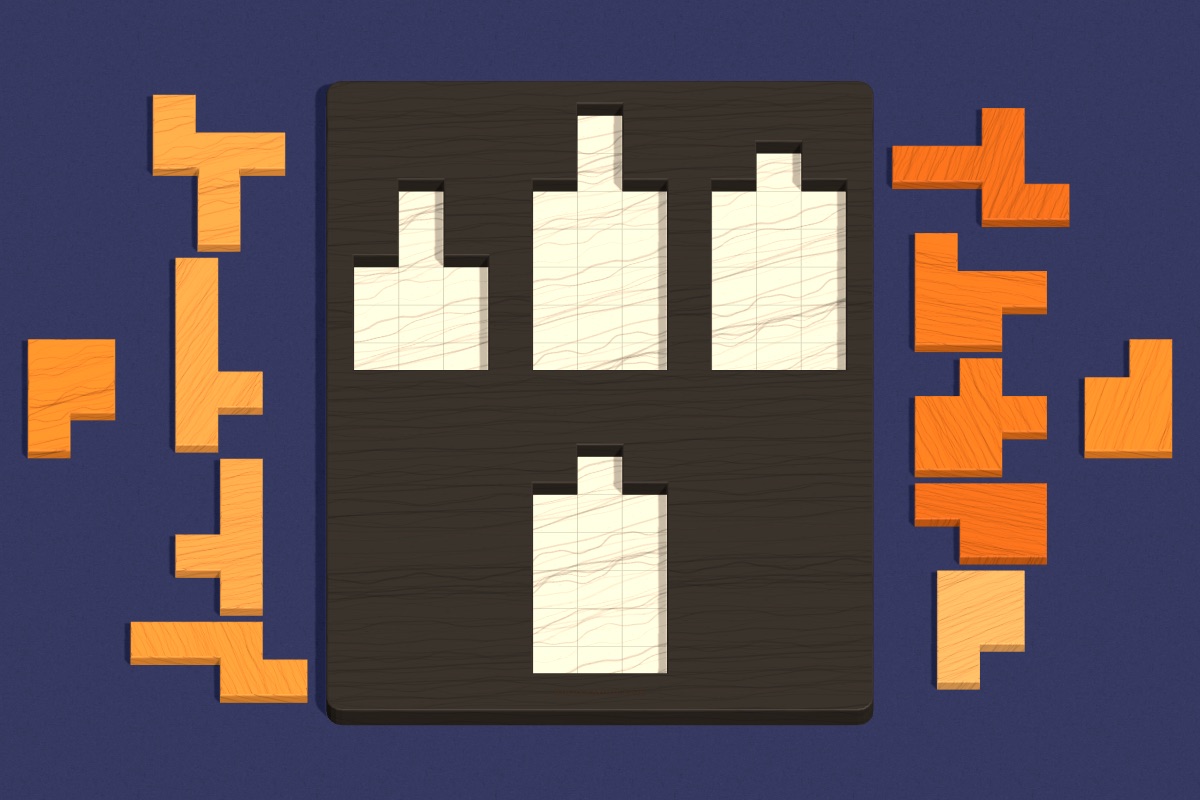
- Six Bottles (ages 7+): Fill every bottle. All the pieces come from one pile. Builds spatial reasoning and planning ahead.
- Sokoban (ages 7+): Push every crate onto its spot. You can push, but never pull. Builds planning ahead and logical reasoning.
Questions parents ask
Is this a full curriculum?
No. It is a set of puzzles that build thinking skills alongside your maths programme.
Are these puzzles free?
Every puzzle is free to try in the browser, with no sign-up and no ads.
More
Puzzles for 3 Year Olds · Puzzles for 4 Year Olds · Puzzles for 5 Year Olds · Puzzles for Kindergarten · Puzzles for the Classroom · Quiet Puzzles for Kids on a Plane or Long Trip · Challenging Puzzles for Gifted Kids