How AmuseMind teaches
Not just puzzles. Thinking you can see.
Most games reward getting the answer. AmuseMind helps kids learn how to find it, and shows grown-ups how they think.
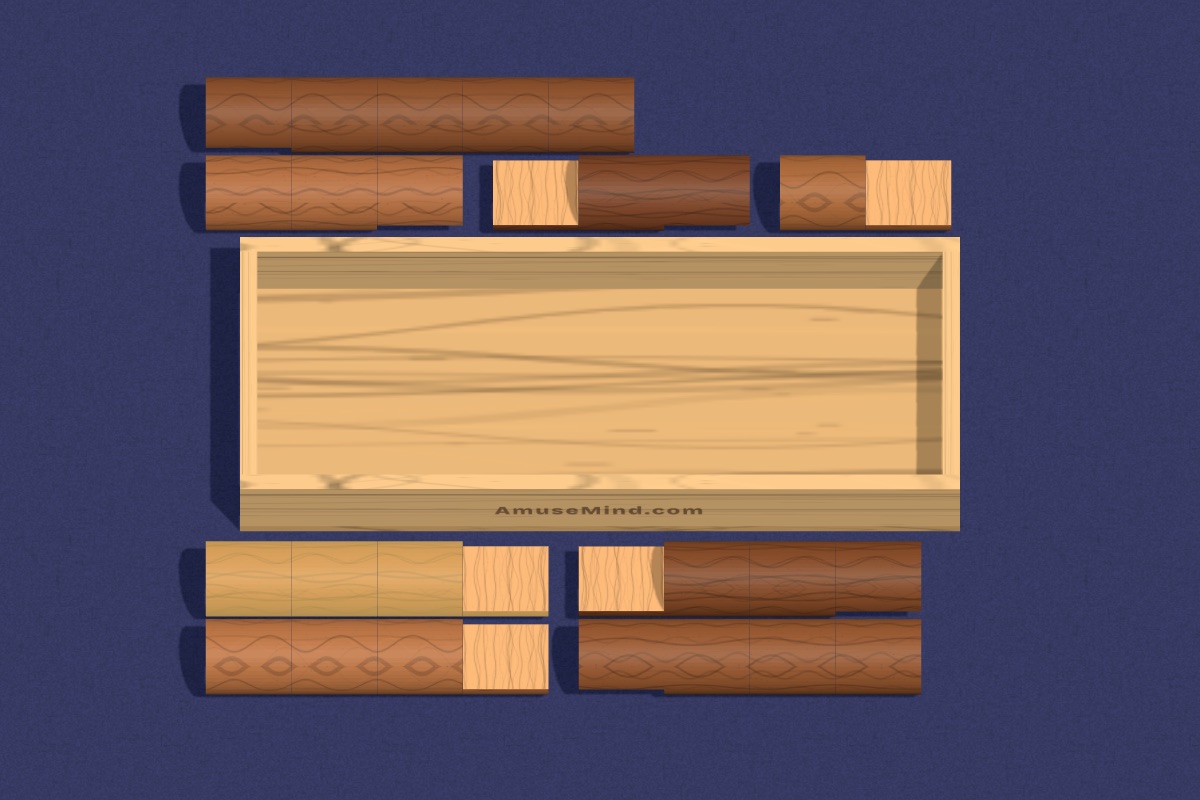
Look at the glowing log: it needs turning end for end. Where could its cut end meet another?
The hint coach
Three steps. Never the answer.
Stuck? Your child asks for help one step at a time, and stops as soon as it clicks.
 1
1Think
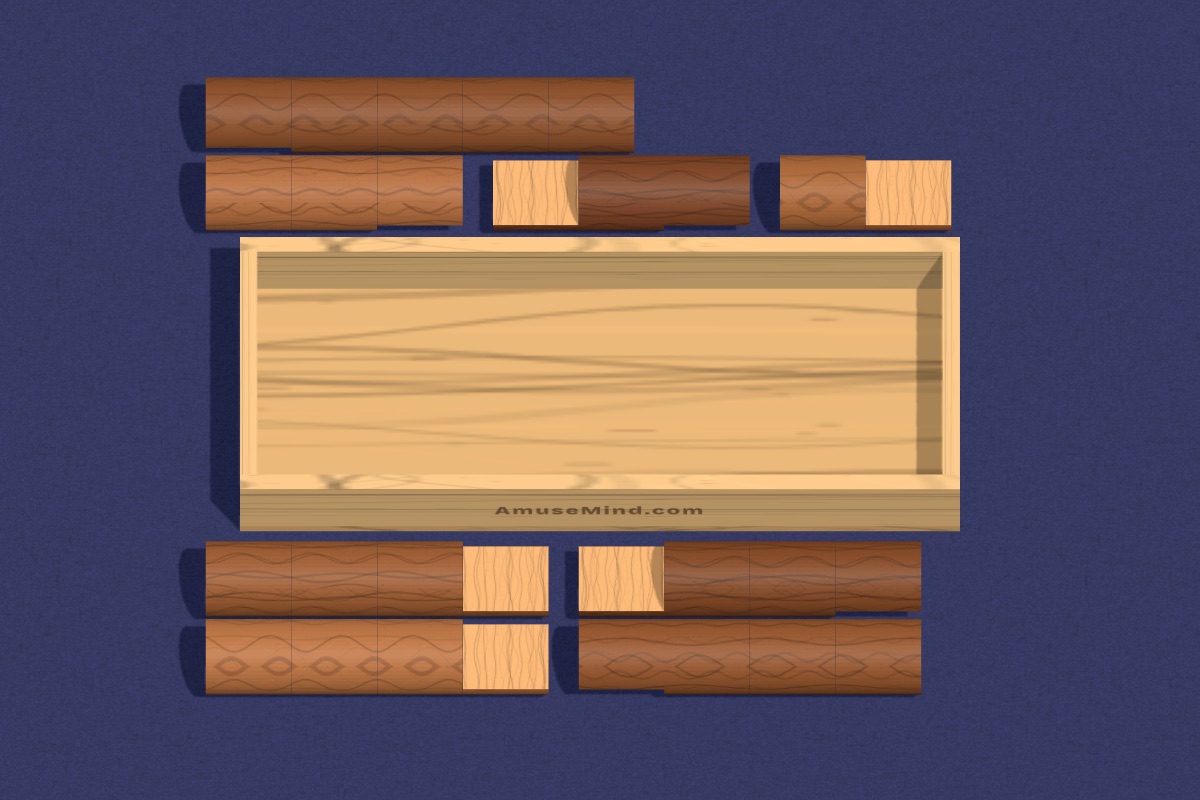
“Half-cut ends can share a space if one is cut on top and the other underneath. Which logs could pair up?”
A question about the idea, not about any one log.
- 2
Look here
“Look at the glowing log: it needs turning end for end. Where could its cut end meet another?”
One log glows. The coach talks about it, not where it goes.
 3
3Show me
“The gold outline shows exactly where the glowing log goes. Can you match it?”
A gold outline marks the spot. Your child still places it.
Why a hint is never wrong
The solver decides. The AI only finds kind words.
Language models can guess wrong about puzzles. So ours never guesses: the puzzle’s own solver works out what is true on the board, and the AI is only asked to say that one fact simply.
- The boardLog shapes and where they lie. Nothing else.
- The solverWorks out what is true: which log fits next, or which one is in the way.
- The coachTurns that one fact into kind words for ages 7 to 14.
- Your childThinks it through and does the solving.
- Log shapes
- Where they lie
- Hint step 1, 2 or 3
- Names
- Chat or voice
- Location or device
After every win
Say how you did it.
Kids talk or type their strategy. The coach answers back: it names what worked and asks one question to push their thinking further.
- Practises metacognition: thinking about their own thinking
- What they say is answered, then forgotten. It is never stored.
- Each win unlocks a learning card. There are 100+ to collect.
For grown-ups
See how they think, not just their score.
Plain-language notes built from what actually happened in the puzzle: which moves came easily, where hints were needed, and what to try next.
- Every note points to the moves behind it
- Suggests the next puzzle and level
- Kids never need an account or an email
What it builds
Nine skills, and the puzzles that build each.
Every puzzle is mapped to these skills. Tap one to see its puzzles.
Spatial reasoning
Picture shapes turned, flipped and fitted together.
21 puzzles →Shapes and geometry
Name, match and combine shapes.
12 puzzles →Logical reasoning
Rule things out until one answer is left.
14 puzzles →Planning ahead
Think a few moves ahead before moving.
13 puzzles →Pattern recognition
Spot what repeats and carry it on.
8 puzzles →Number sense
Count, compare and work with numbers.
7 puzzles →Working memory
Hold information in mind while thinking.
8 puzzles →Attention to detail
Look closely and notice small differences.
11 puzzles →Persistence
Try, check and try again when it’s hard.
31 puzzles →
See it for yourself in two minutes.
Play a puzzle, get stuck on purpose, and ask for a hint. Free, no sign-up.