Nine and ten year olds can plan several moves ahead, spot patterns, and stick with a hard problem for a satisfying amount of time. This is the age to move up to Pro levels and to the puzzles that adults find tricky too.
What’s growing at this age
By nine and ten, many children can reason about “if I do this, then that will happen” several steps deep. They can work backwards from a goal, try a simpler version of a problem first, and notice patterns that repeat. These are exactly the habits that help with harder problems in school, and puzzles let children practise them in a low-pressure way.
What makes a good puzzle for this age
Look for puzzles where the first idea is usually wrong and the second idea is better: sliding-block puzzles, pushing puzzles, and logic grids where one clever deduction unlocks the rest. Children of this age also enjoy knowing the “best” number of moves and trying to match it.
Puzzles to start with, and the level to pick
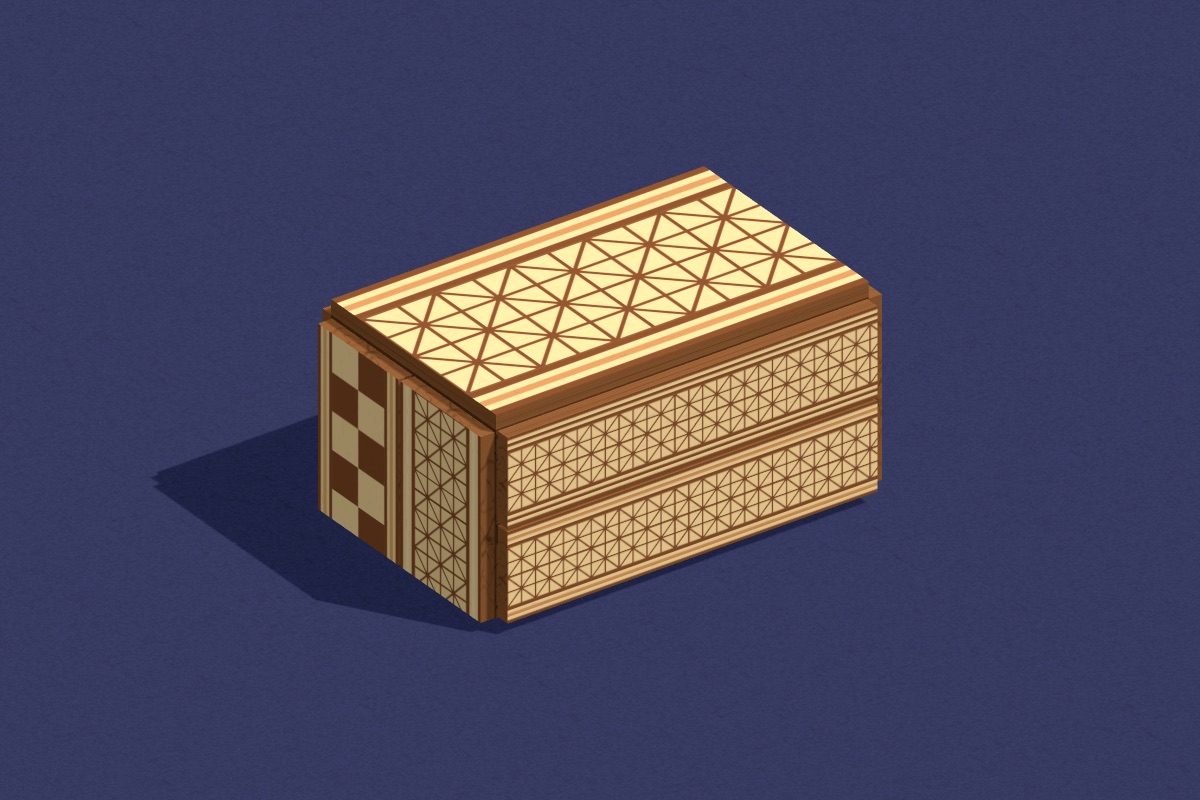
Hakoiri Musume is Japan’s classic sliding-block puzzle: slide wooden blocks until the big one escapes. Start on Intermediate. Tower of Hanoi on Pro (five rings) is a beautiful pattern puzzle; once children see the pattern, they can solve any tower.
Number Slide on Pro is a 5 by 5 board. Sudoku on Pro is a full 9 by 9 grid. Nonogram on Pro is a 10 by 10 picture that only appears if every deduction is right. Puzzle Box on Pro needs a panel moved back before the box will open, a lovely lesson that going backwards can be progress.





For children who love building and shapes
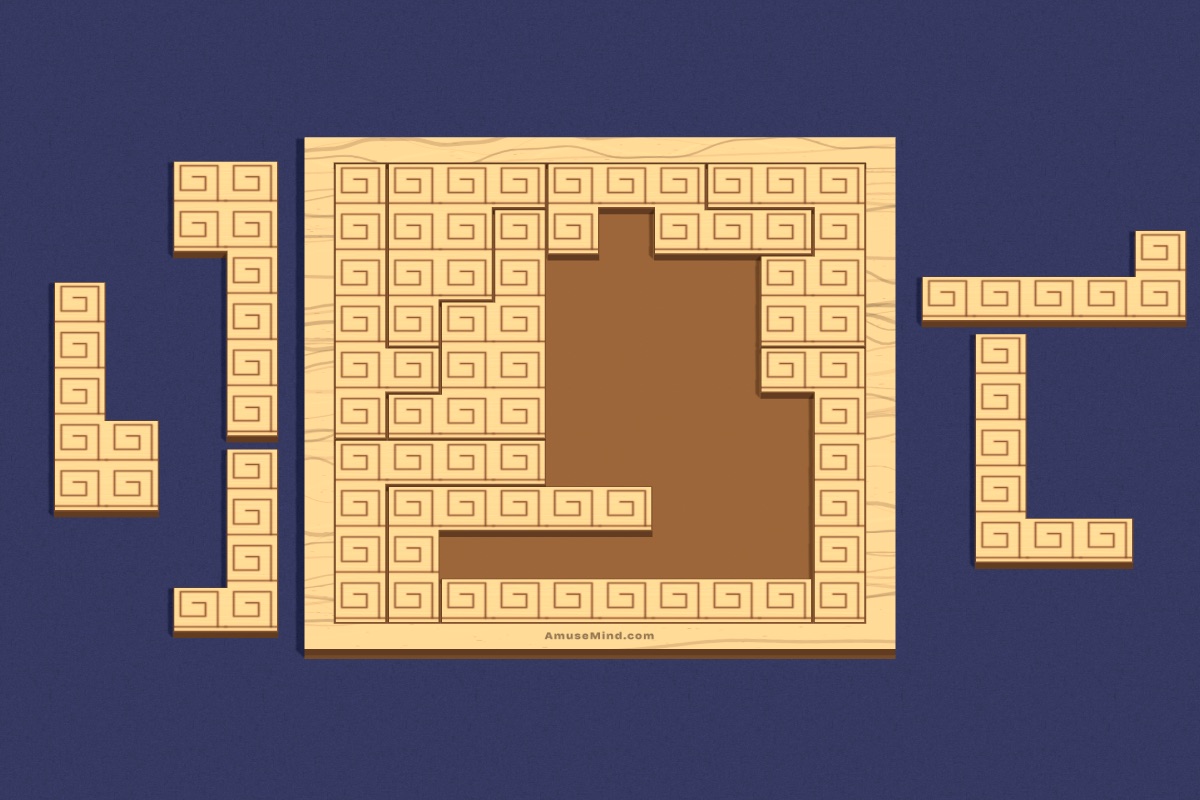
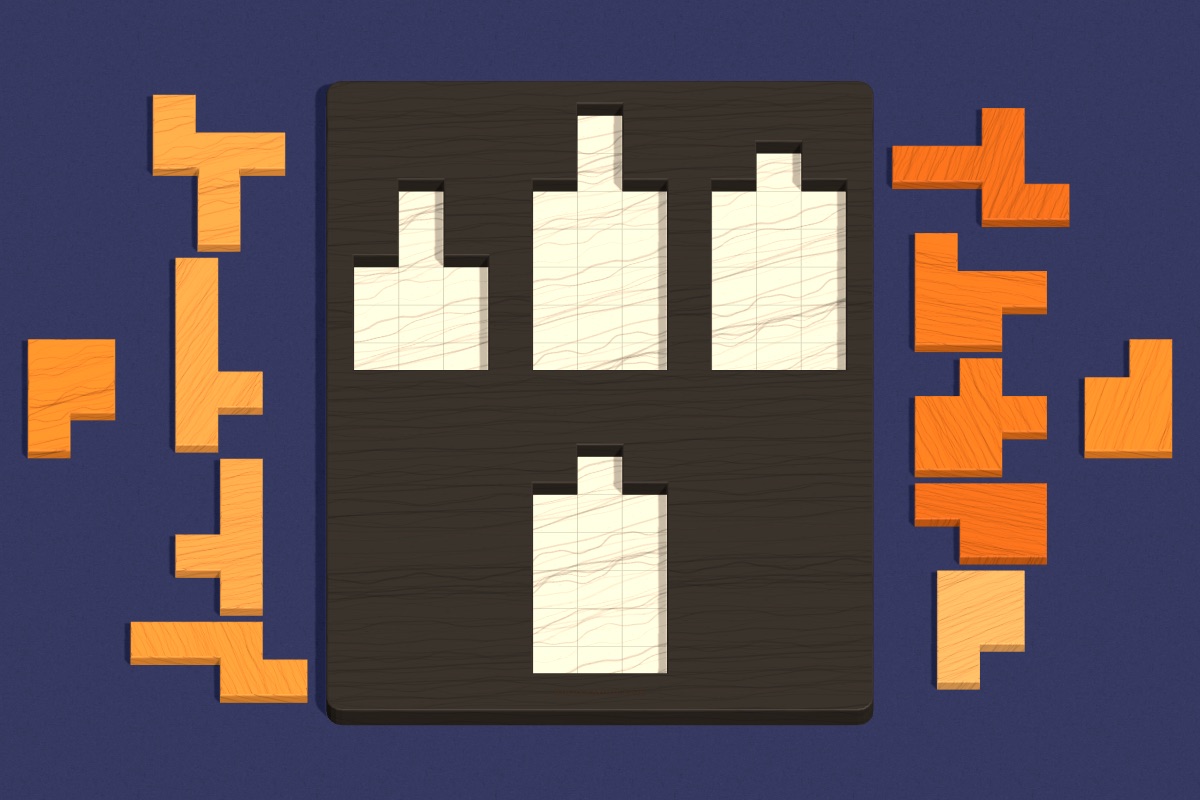
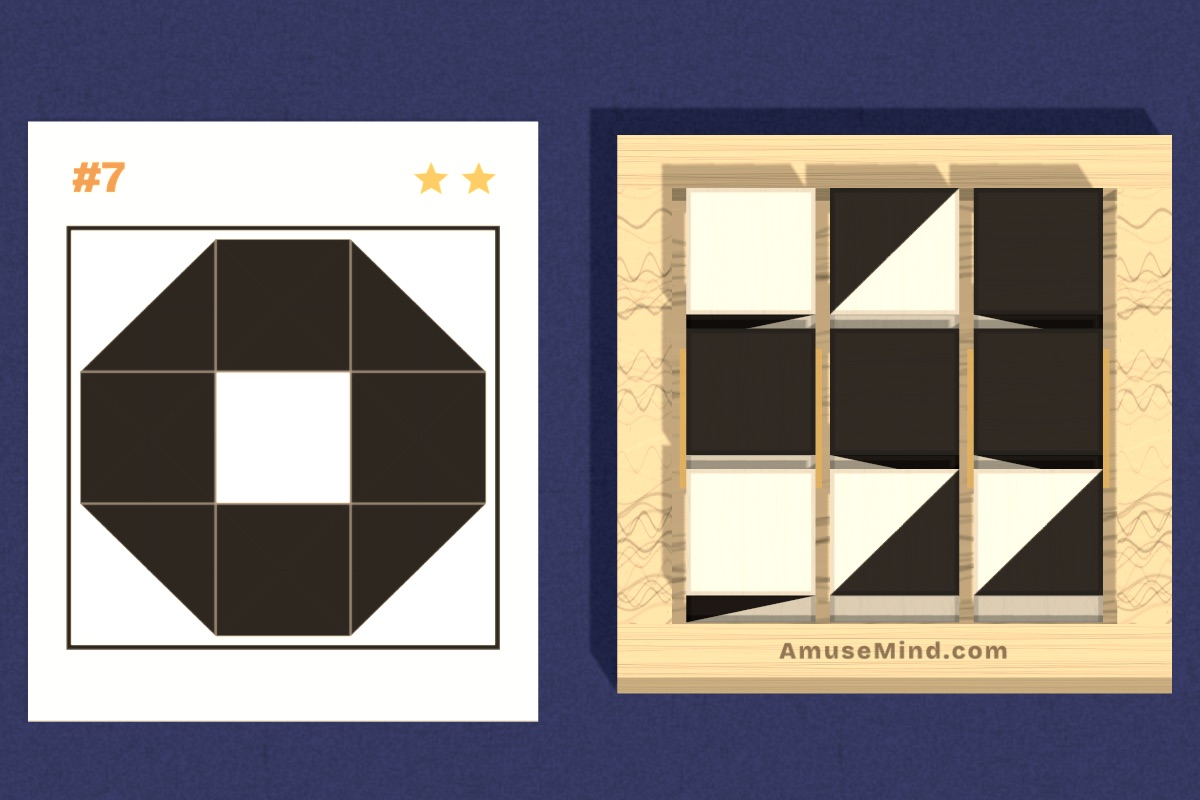
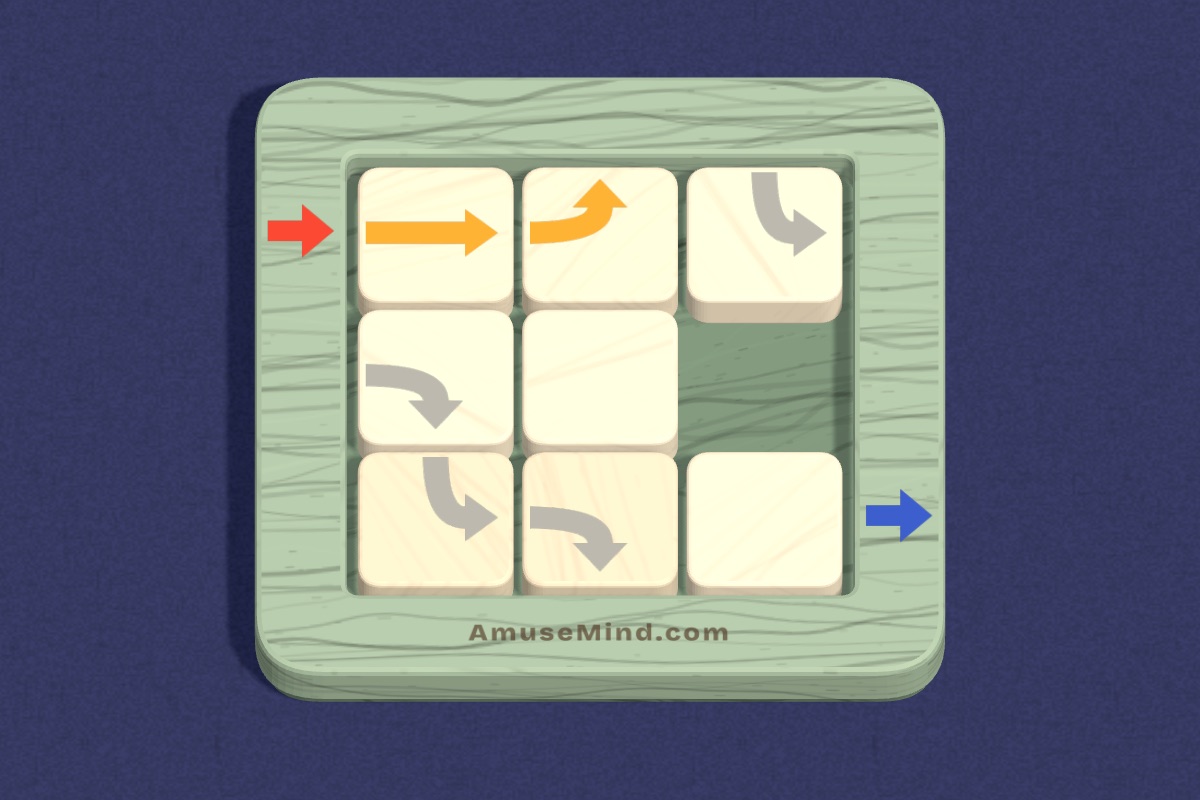
Pattern Boards has carved boards where the joins hide in the pattern. Six Bottles asks children to fill several bottles from one shared pile, so using a piece in one place affects every other. Hidden Blocks on Pro uses bands as well as triangles. Road Slide on Pro moves to a 4 by 4 board.
How to play together, and when to step back
At this age your best role is curious audience. Ask “What have you tried?” and “What do you know for sure?” rather than “Try this”. Children who explain their reasoning get better at it.
If a puzzle leads to a meltdown, suggest a break rather than an answer. Many hard puzzles click after a walk away.
Too hard or too easy?
A puzzle that takes several tries and ten or fifteen minutes is about right. If it takes longer and stops being fun, try the level below. If Pro feels easy, Hacker is waiting.
Questions parents ask
What puzzles are good for a 10 year old?
Sliding-block puzzles like Hakoiri Musume, Tower of Hanoi with five rings, 9 by 9 Sudoku and 10 by 10 Nonograms are all good challenges for ten year olds.
How do I stop my child giving up on hard puzzles?
Keep puzzles short and finishable, praise good attempts, and suggest a break instead of an answer. Undo makes trying again painless.
Can siblings of different ages play the same puzzle?
Yes. Every AmuseMind puzzle has five levels with a recommended age each, so a 6 year old and a 10 year old can play the same puzzle at different levels.

