Spatial reasoning, the ability to picture shapes, turn them in your head and see how parts make a whole, supports geometry, measurement, science and design. It can be practised like any other skill. Here are warm-ups, unplugged activities and puzzles you can use with any class.
What spatial reasoning looks like
In class it shows up when students imagine a shape rotated, fit pieces into a space, read a map or diagram, or picture a 3D object from a flat drawing. Some students find this easy, others don’t, and regular short practice helps everyone.
Quick warm-ups (five minutes)
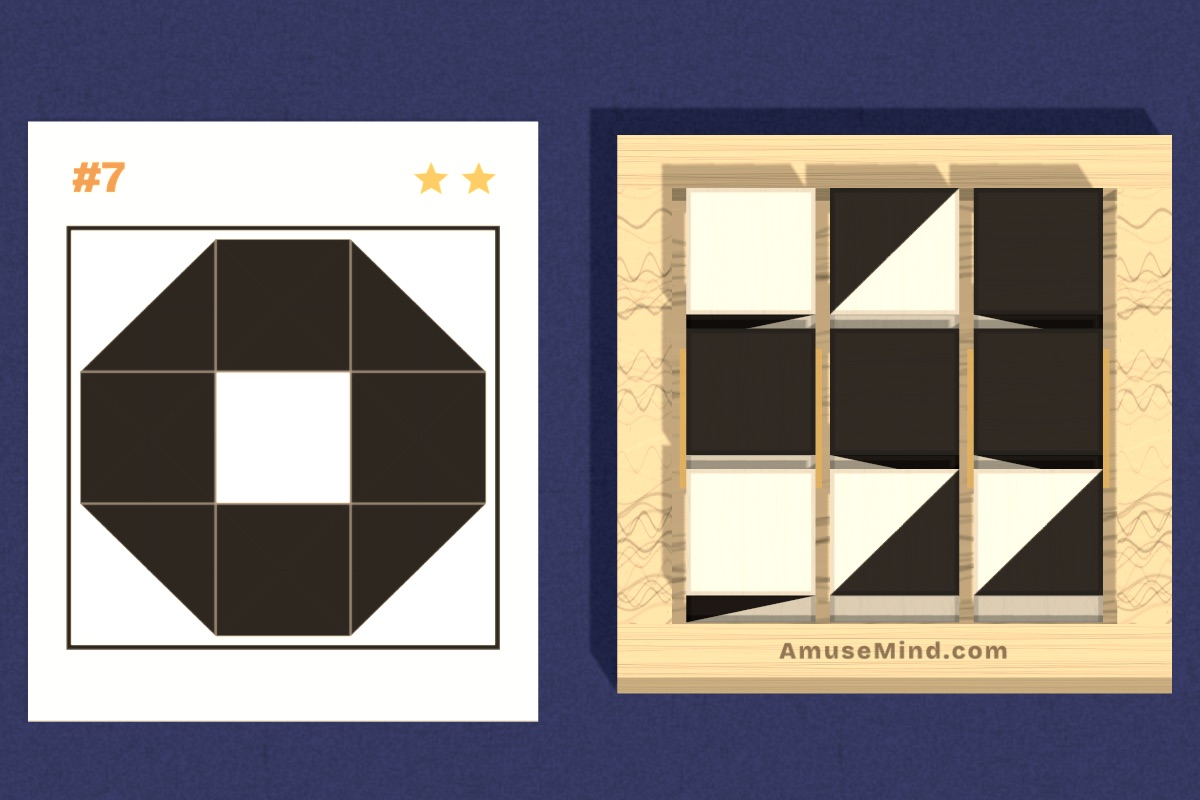
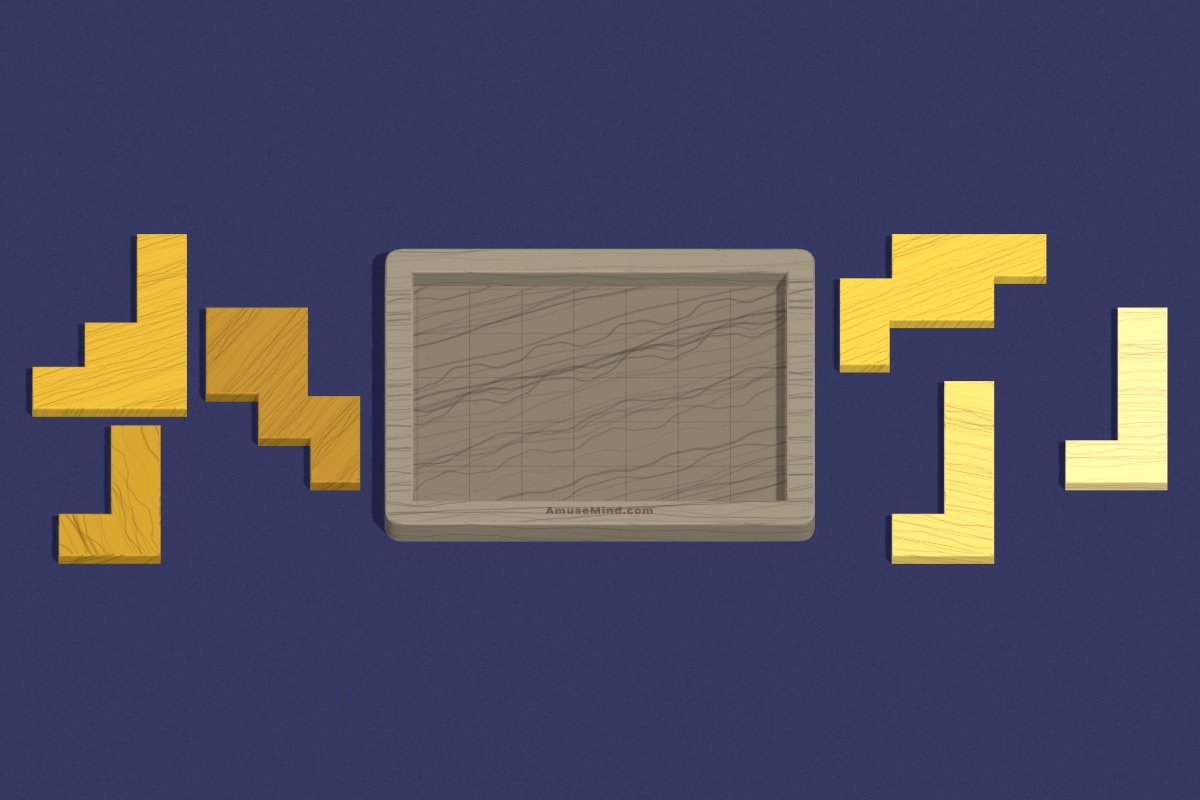
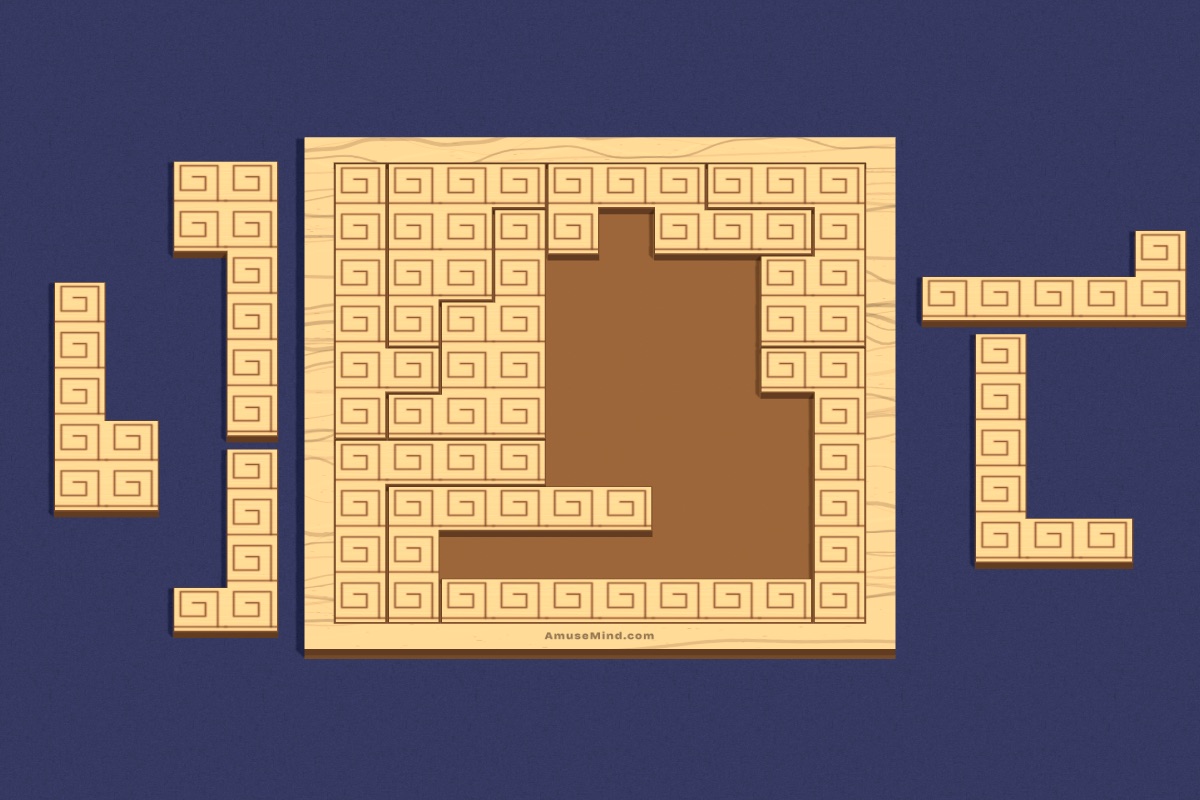
Show a tangram silhouette and ask which pieces make it before anyone touches them. Show a Hidden Blocks card and ask how many cubes need a black triangle. Show a packing tray half filled and ask which piece must go in the corner. Prediction first, then check on screen.

Unplugged activities
Paper tangrams cut from a square. Describe-and-draw: one student describes a simple shape arrangement while a partner draws it without looking. Build a small block tower and have a partner copy it from a verbal description. Fold paper and predict the holes after one cut.
Then bring in the digital version of the same idea so students can try many more examples quickly.
Digital puzzles by grade
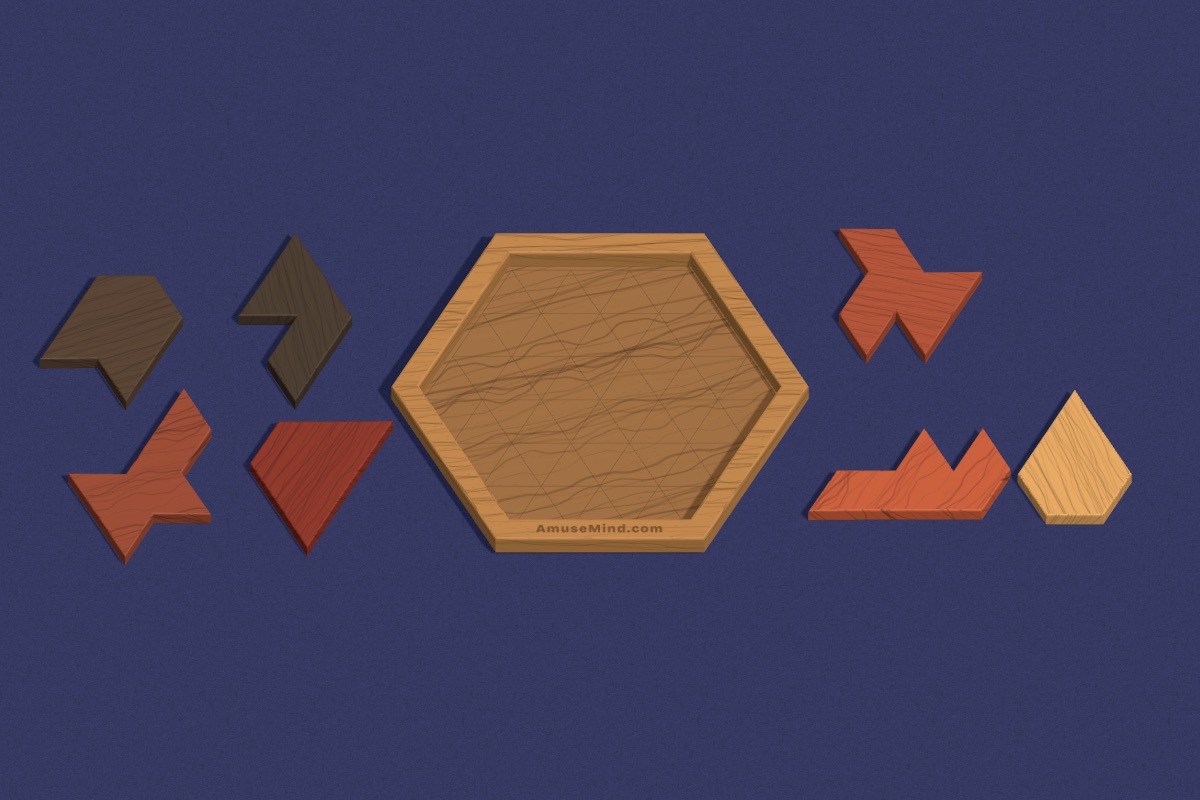
K–2: Shape Match, Hexwood and the Rectangle Tray on Beginner, tangram with outlines.
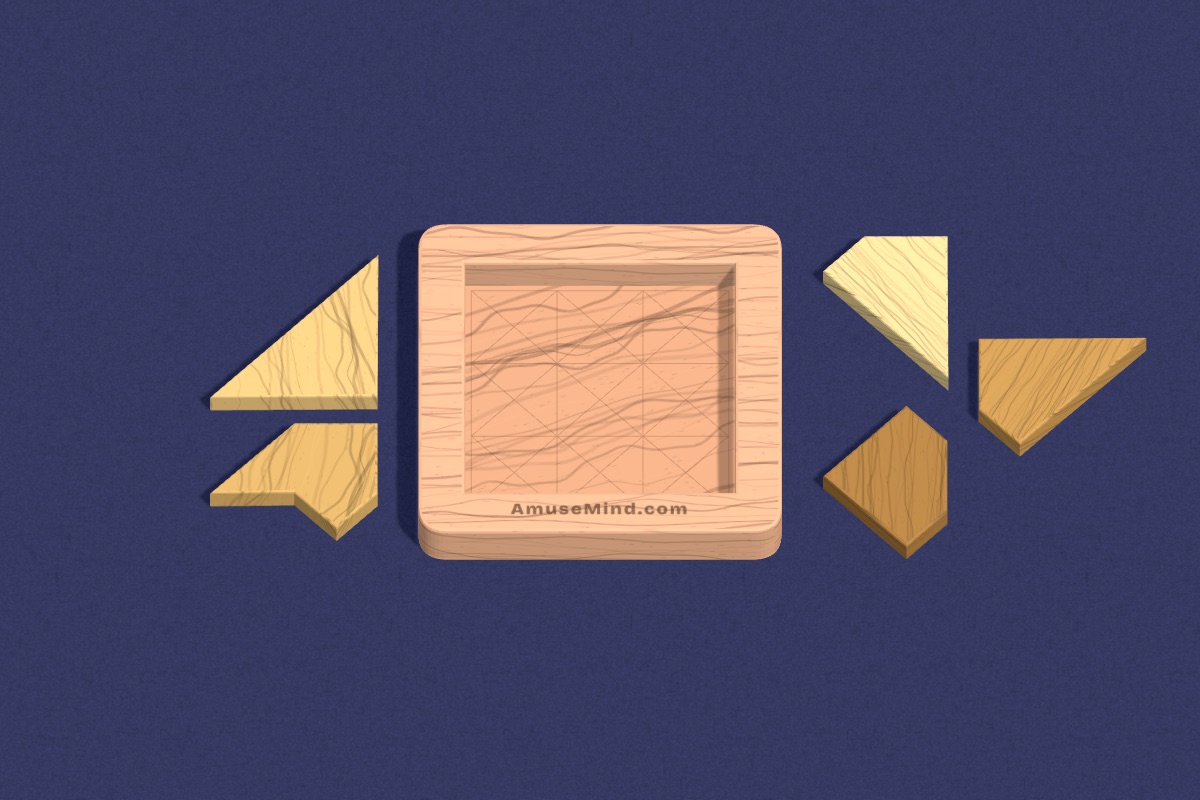
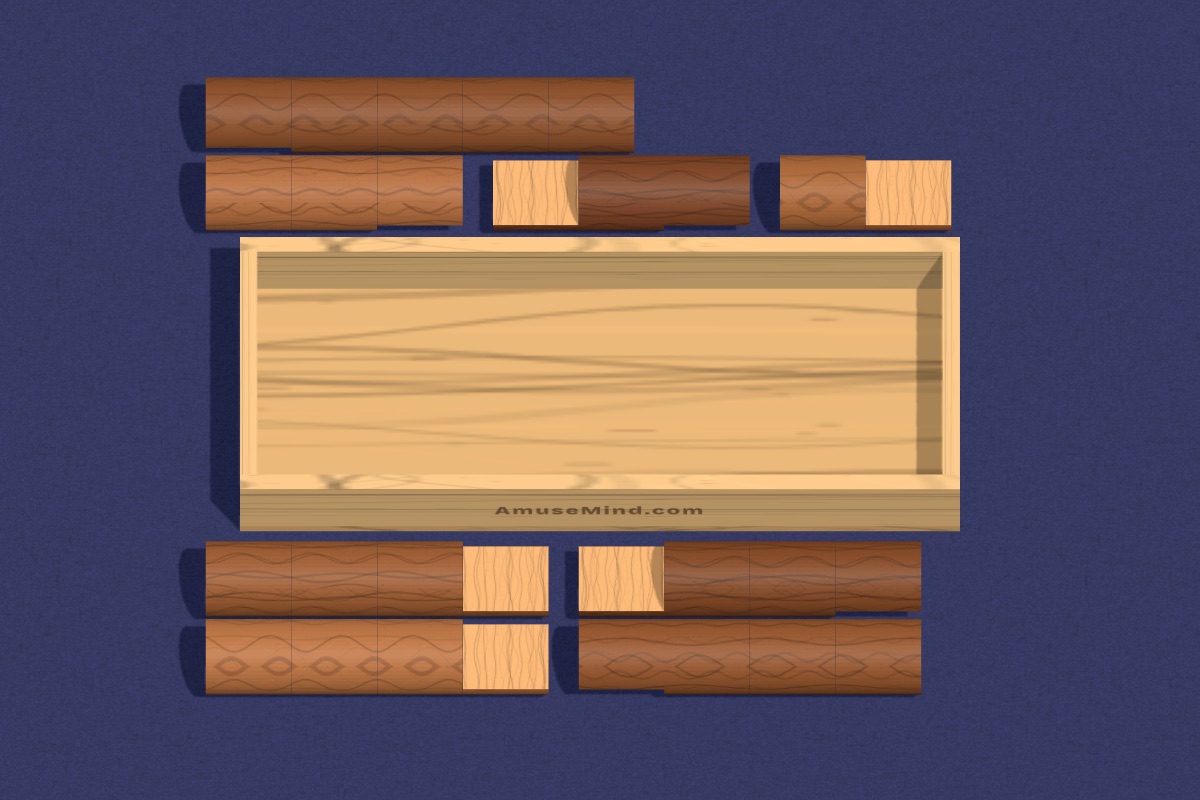
Grades 3–5: tangram silhouettes, the square, triangle and diamond trays, Hidden Blocks at 3 by 3, Eight Logs.
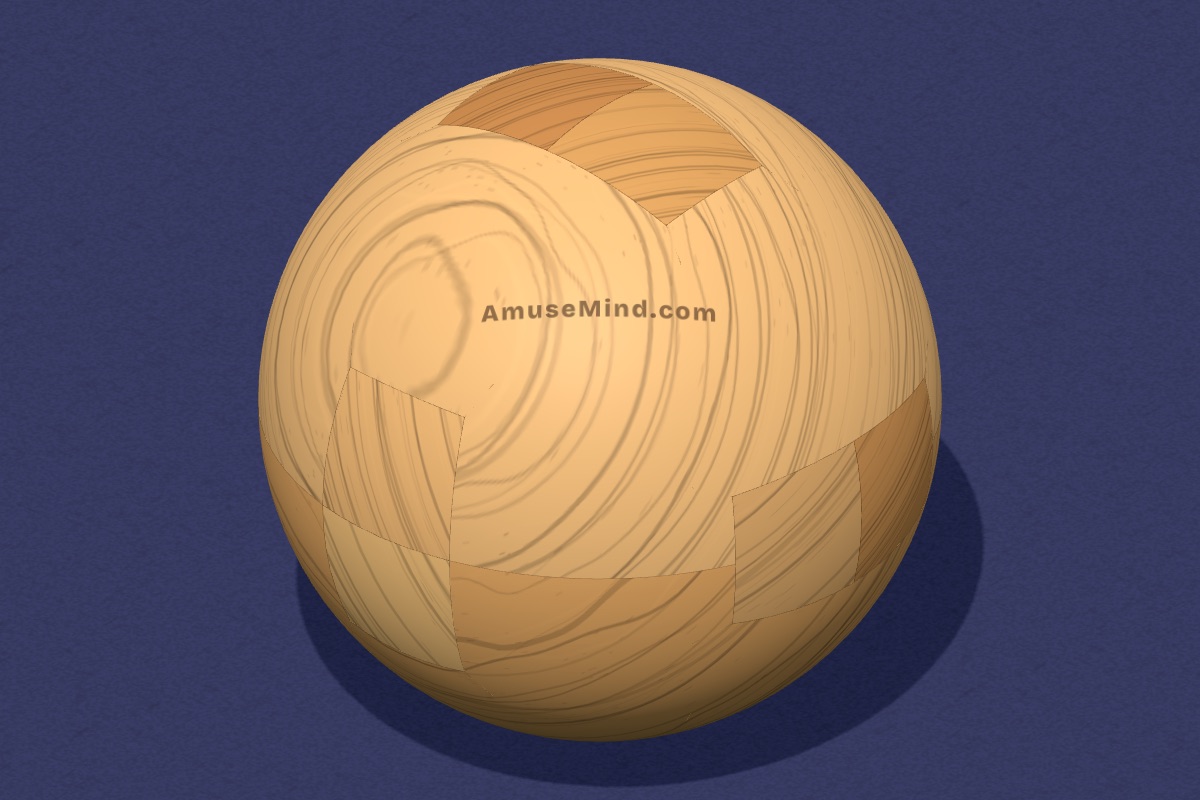
Grades 6–8: Pattern Boards, Six Bottles (where pieces must be flipped), the Luban lock and the Japanese puzzle box.

Talking about space
Spatial language matters. Encourage words like rotate, flip, mirror, edge, corner, above, behind and fits. Ask “how did you know it would fit?” and “what would it look like turned over?” Students who struggle often improve quickly once they have the words to describe what they see.
Every AmuseMind puzzle is free to try in the browser, with no student accounts, no sign-up and no ads, so you can put a puzzle on screen in seconds. It runs on classroom tablets, Chromebooks, laptops and interactive boards. Class features such as class codes, assignments and progress reports are in early access: request a demo from the For schools page if you’d like to try them.
Supporting students who find it hard
Some students find mental rotation genuinely difficult at first. Let them manipulate first and predict later: turning a piece on screen and watching what happens builds the mental picture they will eventually use without the screen. Start at Beginner levels, where pieces begin the right way round, and move up only when it feels easy.
Pair a confident spatial thinker with a hesitant one and ask the confident student to explain rather than do. Keep the activities short and frequent. Many students who start out saying “I’m bad at shapes” improve noticeably with a few weeks of five-minute practice.
Questions teachers ask
Can spatial reasoning be taught?
It can be practised and improved like other skills. Short, regular activities with lots of examples help most.
What is a good spatial warm-up?
Show a tangram silhouette or a half-filled packing tray and ask students to predict which piece goes where before checking.
Which puzzles work for older students?
Pattern Boards, Six Bottles with flipping, the Luban lock and the Japanese puzzle box all challenge grades 6 to 8.

