Middle schoolers can handle genuinely hard puzzles, and they enjoy being challenged by something that also stumps adults. Puzzles at this level connect naturally to algebra, proof and problem solving, and they give students a low-stakes place to practise persistence.
Hard planning puzzles
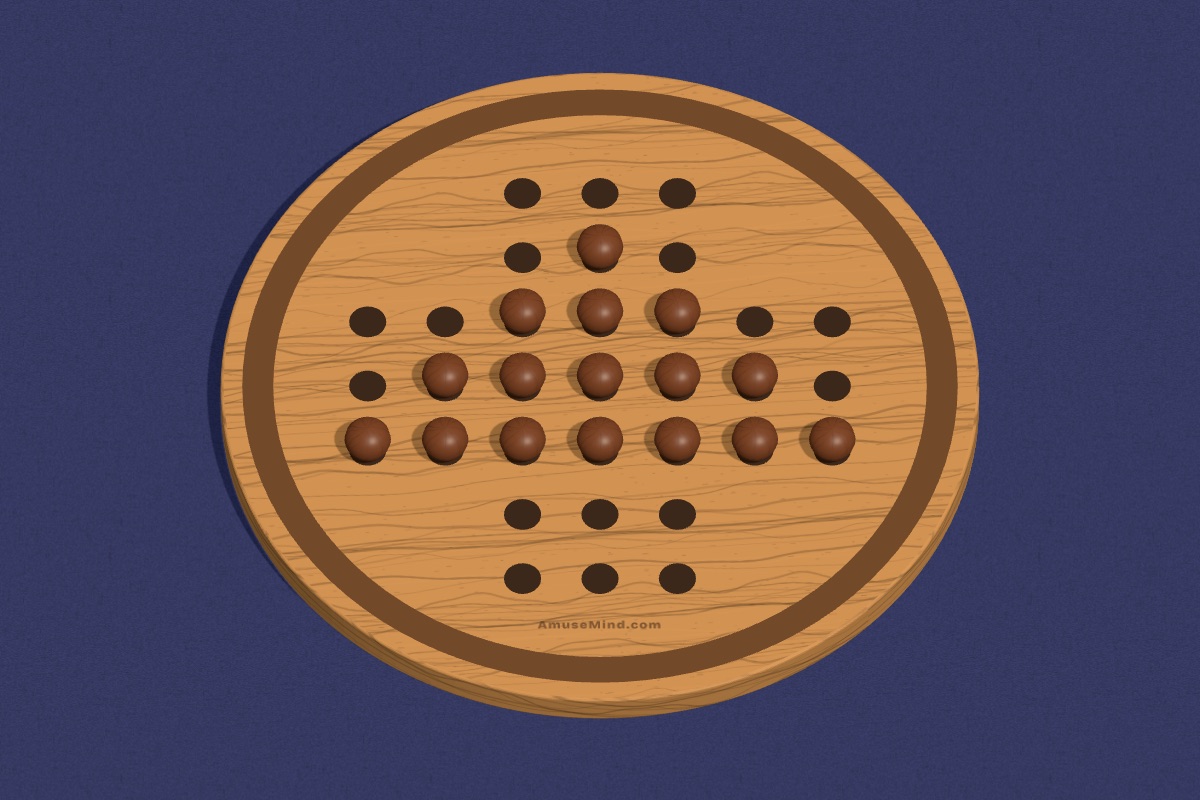
Klotski (Hakoiri Musume), the sliding-block classic, needs long chains of moves at its harder levels. Sokoban on Pro and above rewards thinking several pushes ahead. Peg solitaire on the full 33-hole board, finishing in the centre, is a serious challenge.


Puzzles that become maths
Tower of Hanoi leads straight to a formula: the fewest moves for n rings is 2 to the power n, minus 1. Students can derive it by noticing that moving n rings means moving n − 1 rings twice plus one move, which is a first taste of recursion and proof by induction.
The sliding number puzzle raises a good question: why can only half of all arrangements be solved? It is an accessible entry to the idea of invariants.


3D and spatial challenges
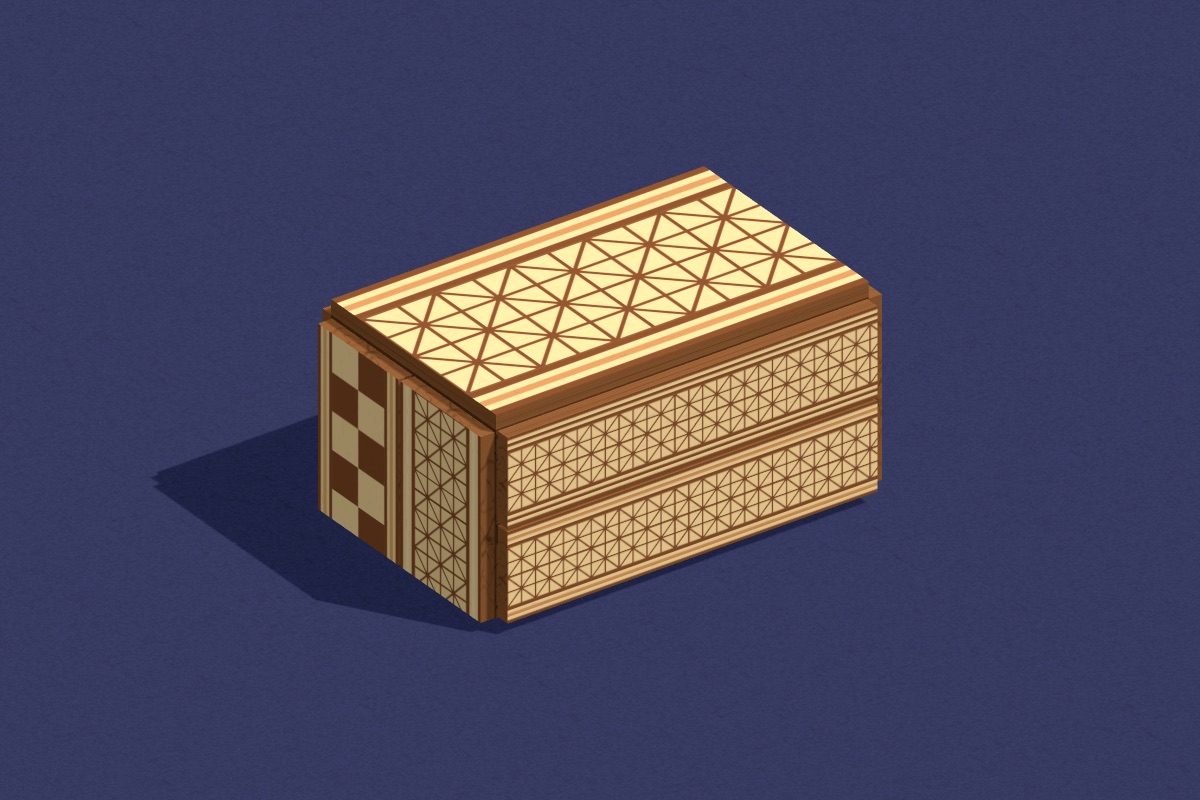
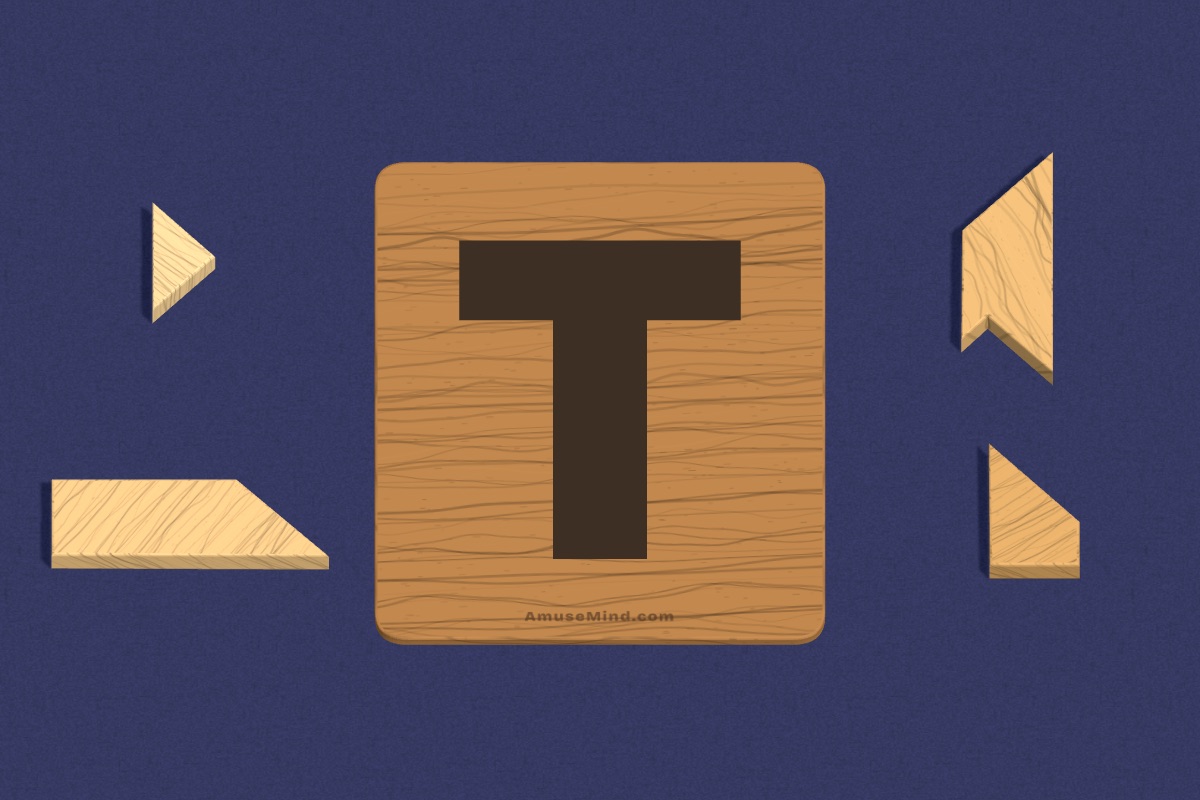
The Luban lock (a burr puzzle) and the Japanese puzzle box ask students to reason about hidden pieces and sequences in three dimensions. The T puzzle shows how four simple pieces can produce a shape that defeats most people at first.
Logic grids
Sudoku on the hard 9 by 9 level needs techniques beyond simple elimination. Nonograms at 12 by 12 and Bridges at the top levels demand careful case analysis. These suit students who like quiet, exact work.



Using puzzles in lessons
Open a unit on sequences or functions with Tower of Hanoi. Use a sliding puzzle to introduce invariants. Run a “puzzle of the week” where students submit their fewest-move solutions and explain their method. Ask for written explanations, not just answers.
Every AmuseMind puzzle is free to try in the browser, with no student accounts, no sign-up and no ads, so you can put a puzzle on screen in seconds. It runs on classroom tablets, Chromebooks, laptops and interactive boards. Class features such as class codes, assignments and progress reports are in early access: request a demo from the For schools page if you’d like to try them.
Persistence and growth
Hard puzzles are an ideal place to practise persistence because failure costs nothing. A student can try a strategy, see it fail, undo and try again, without a grade attached. Talk explicitly about this: what do you do when you are stuck? Simplify the problem, try a smaller version, work backwards from the goal, or take a break and return.
Those are the same strategies used in algebra, science investigations and coding. Naming them while students puzzle helps them recognise and reuse them in other subjects. Ask students to reflect briefly in writing after a hard puzzle: what worked, what didn’t, and what they would try first next time.
Questions teachers ask
Are these puzzles hard enough for grade 8?
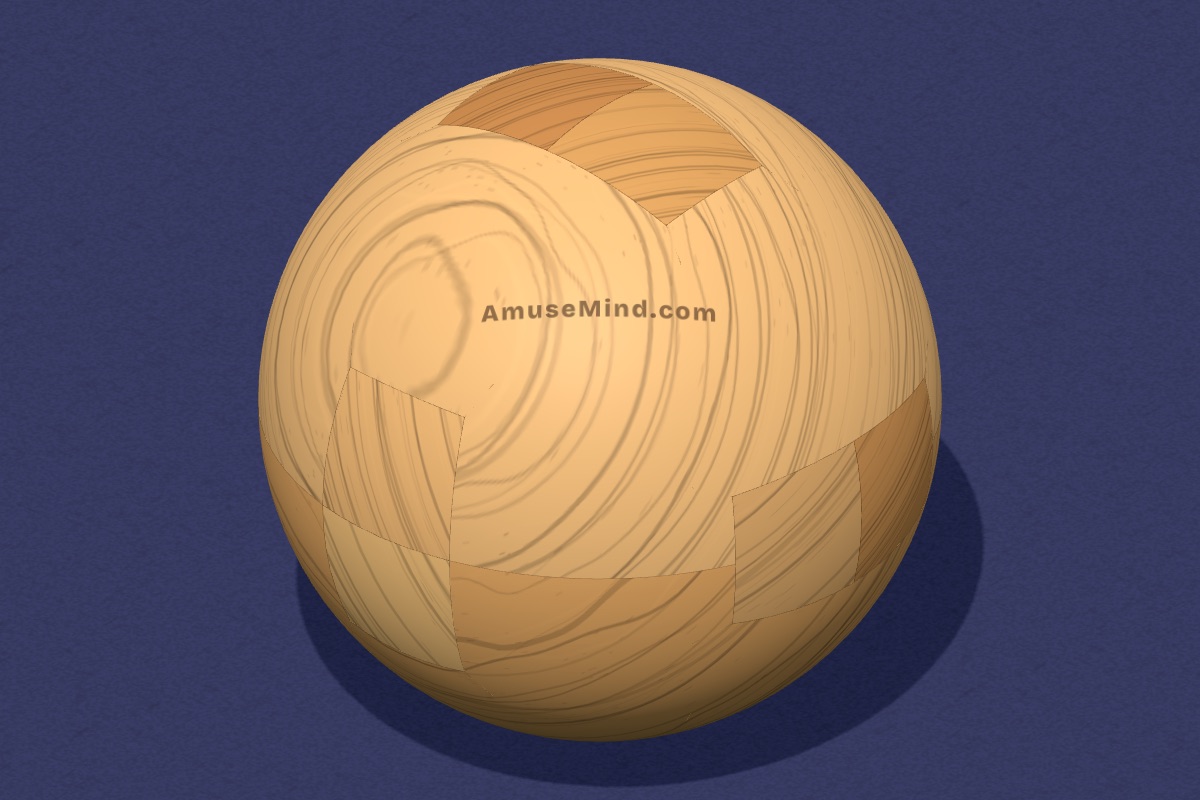
Yes. The Hacker and Demon levels (classic Klotski, the full peg board, the wooden magic ball, hard sudoku) challenge adults too.
How can puzzles link to the maths curriculum?
Tower of Hanoi leads to exponential patterns and recursion; sliding puzzles to invariants; logic grids to careful case analysis and proof.
Do students need to log in?
No. Puzzles are free in the browser with no student accounts or ads.

