Upper elementary students are ready for real logic: puzzles where one deduction leads to the next, and where planning beats guessing. The right puzzles give them practice in reasoning, explaining and persisting, and they make great warm-ups, centres and challenge work.
Deduction puzzles
Sudoku on 6 by 6, and then 9 by 9 on the easy level, teaches students to rule things out and to be certain before they write. Nonograms turn number clues into a picture, which keeps reluctant puzzlers going. Bridges (Hashi) mixes counting with logic: each island needs a set number of bridges.
A good prompt for all three: “Which square can you be sure about, and how do you know?”



Planning puzzles
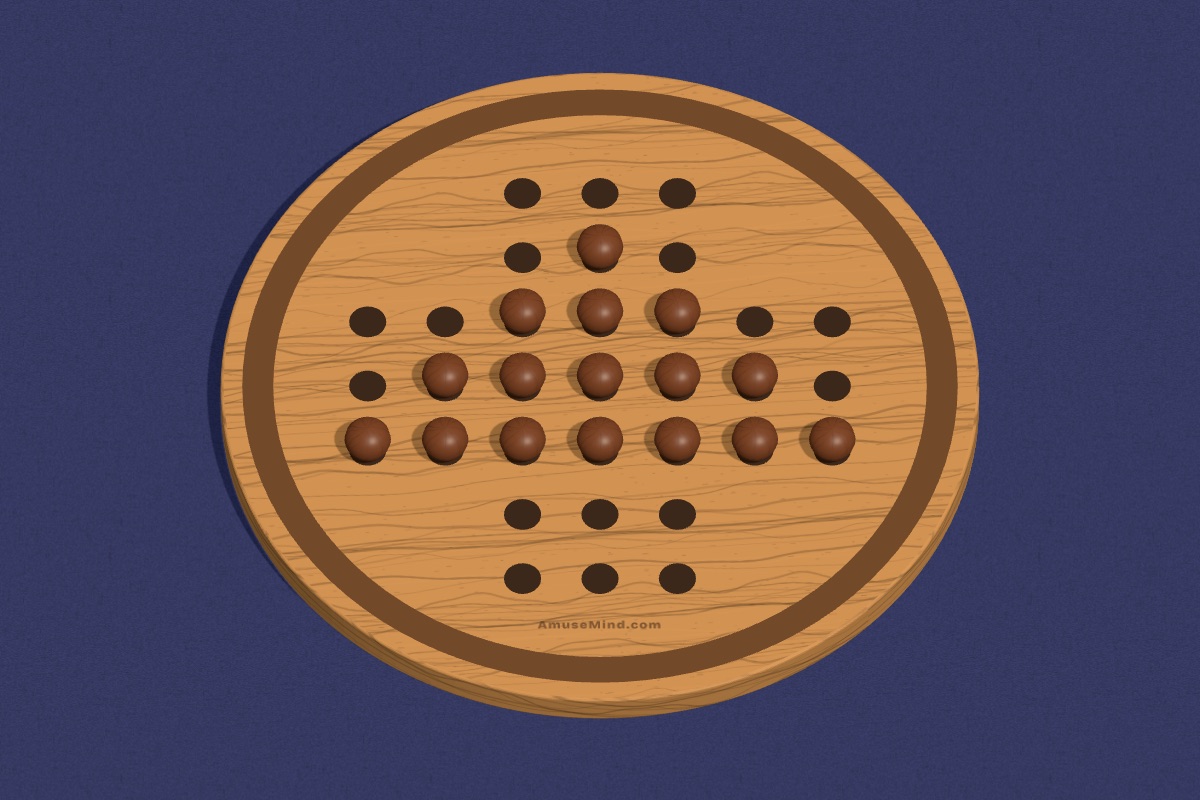
Sokoban (push crates onto spots, never pull) and peg solitaire (jump pegs until one is left) both punish rushing. Students learn to check consequences before they move. Tower of Hanoi with four or five rings is a perfect whole-class investigation: record the fewest moves for 3, 4 and 5 rings and look for the pattern.


Spatial puzzles
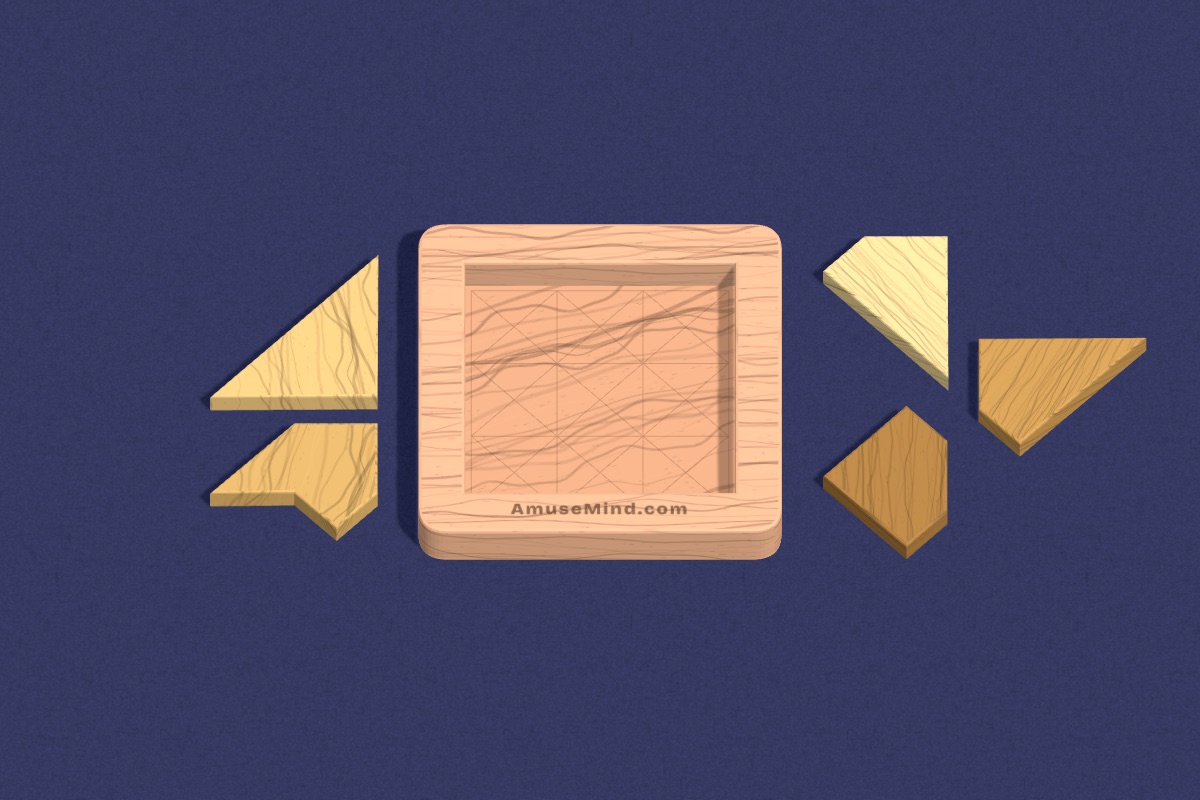
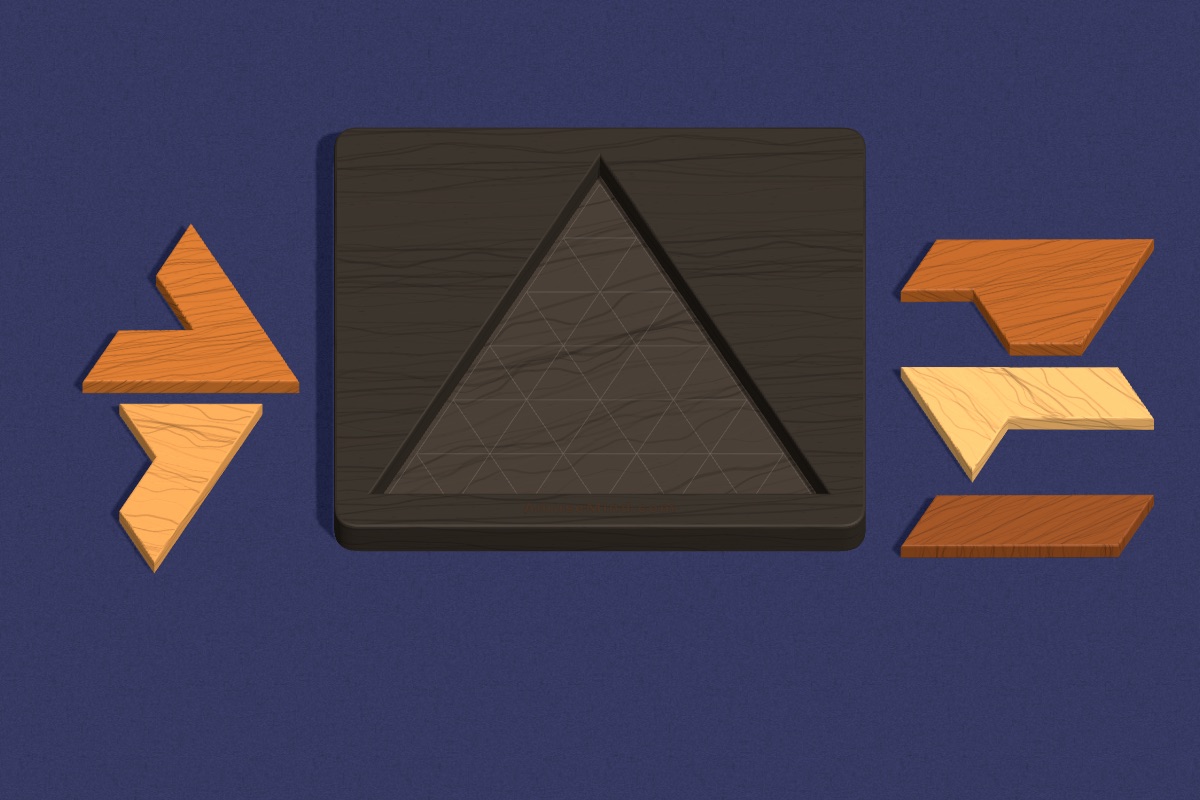
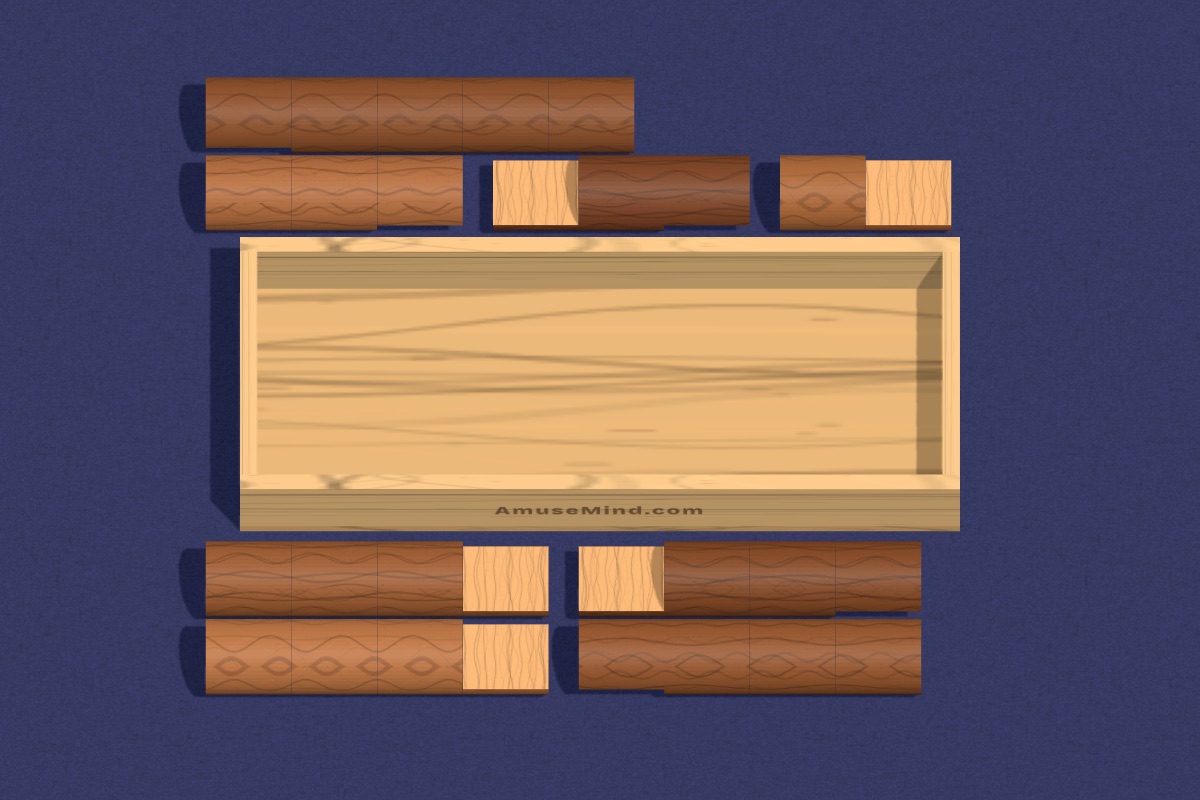
Tangram silhouettes without outlines, the square and triangle trays, and Eight Logs (where half-cut logs share spaces) build the mental rotation that geometry and measurement rely on. Ask students to predict before they turn a piece.

Routines and discussion
Warm-up: one puzzle on the board, three minutes of silent thinking, then share strategies. Pairs: one student moves, the other must agree before each move, which forces explanation. Reflection: after a puzzle, students write one sentence about a mistake and what it taught them.
Differentiate by level rather than by puzzle. Every puzzle has five levels, so the whole class can play Sokoban while some work on Beginner and others on Pro.
Every AmuseMind puzzle is free to try in the browser, with no student accounts, no sign-up and no ads, so you can put a puzzle on screen in seconds. It runs on classroom tablets, Chromebooks, laptops and interactive boards. Class features such as class codes, assignments and progress reports are in early access: request a demo from the For schools page if you’d like to try them.
Building a puzzle culture
Make being stuck normal. Share your own mistakes on a puzzle, and celebrate students who explain a wrong move and what it taught them. Keep a “strategy wall” where students post tips in their own words: start with the square that has fewest options, solve one row at a time, never push a crate into a corner.
Mix individual and collaborative work. Some students think best alone and quietly; others need to talk. Rotating between silent solving, pairs and whole-class discussion keeps everyone involved, and lets you hear how students are reasoning, which is useful information for maths lessons too.
Questions teachers ask
What logic puzzles suit grade 3?
Sudoku on 4 by 4 or 6 by 6, nonograms on 5 by 5, Tower of Hanoi with three or four rings, and Sokoban on Beginner.
How do I keep fast finishers challenged?
Move them up a level on the same puzzle rather than to a new one. Hacker and Demon levels are genuinely hard.
Is it free for schools?
Every puzzle is free to try in the browser with no student accounts. Class features are in early access via a demo request.

