Some puzzles have lasted for well over a century, passed from grandparents to grandchildren. They last because they are simple to learn, deep to master and genuinely good for thinking. Here is a short list worth trying at some point in childhood, roughly in order of age.
From about age 5
Tangram. Seven shapes, endless pictures. It teaches that shapes can be turned and combined. Start with outlines shown.
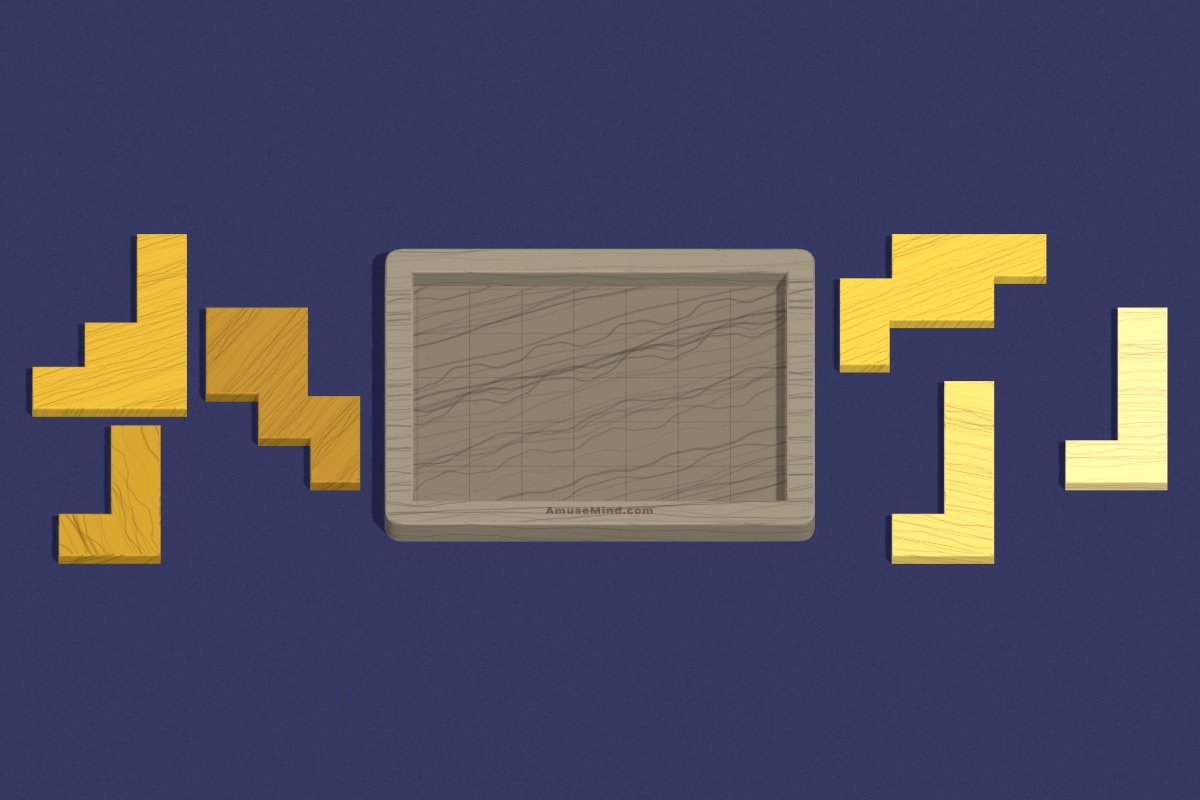
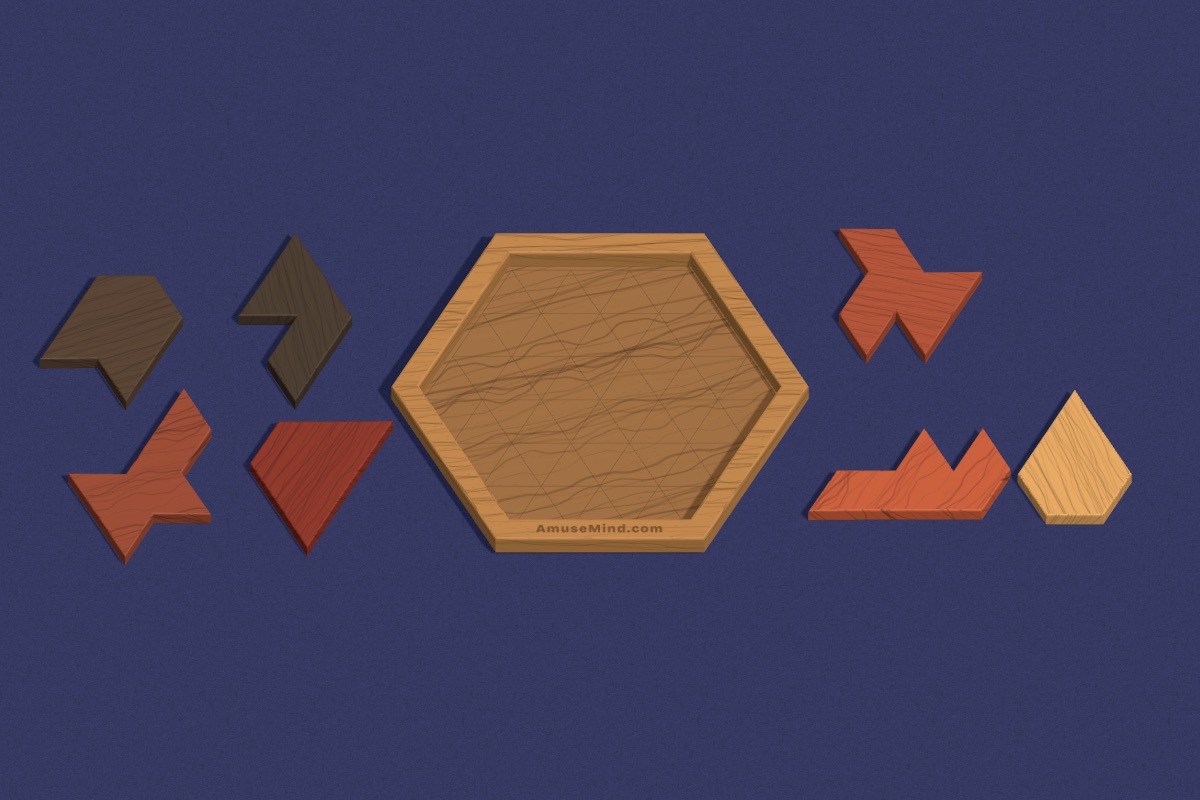
A packing tray. Fill a frame with wooden pieces, the simplest kind of spatial puzzle and a great first win. AmuseMind’s Rectangle Tray and Hexwood start very gently.
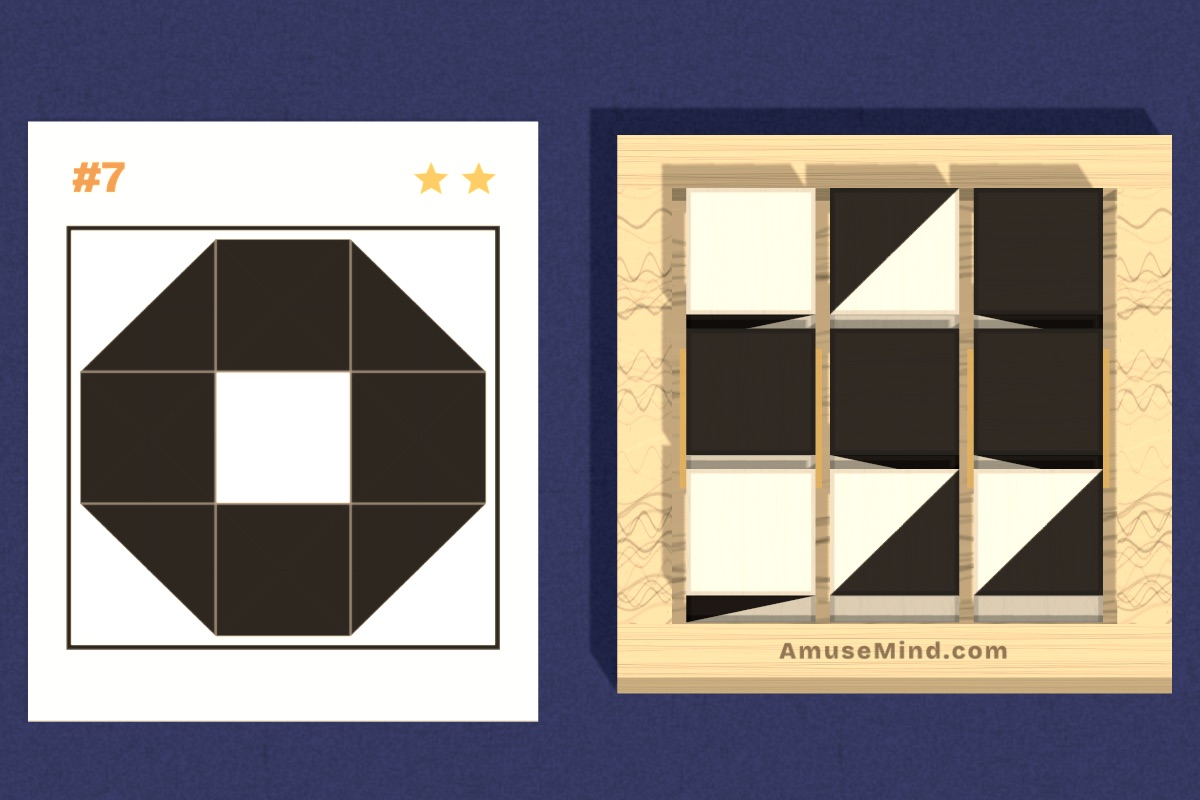
Block design. Copy a black-and-white picture with patterned cubes. Hidden Blocks begins with just four cubes.

From about age 6
Tower of Hanoi. Published by Édouard Lucas in 1883 and still the best introduction to breaking a problem down. Start with three rings.
The sliding number puzzle. Put the tiles in order; discover that solving row by row works.
Sudoku. Start on 4 by 4. One rule, pure logic.
Klotski (Hakoiri Musume). Slide the blocks to free the big one.




From about age 7
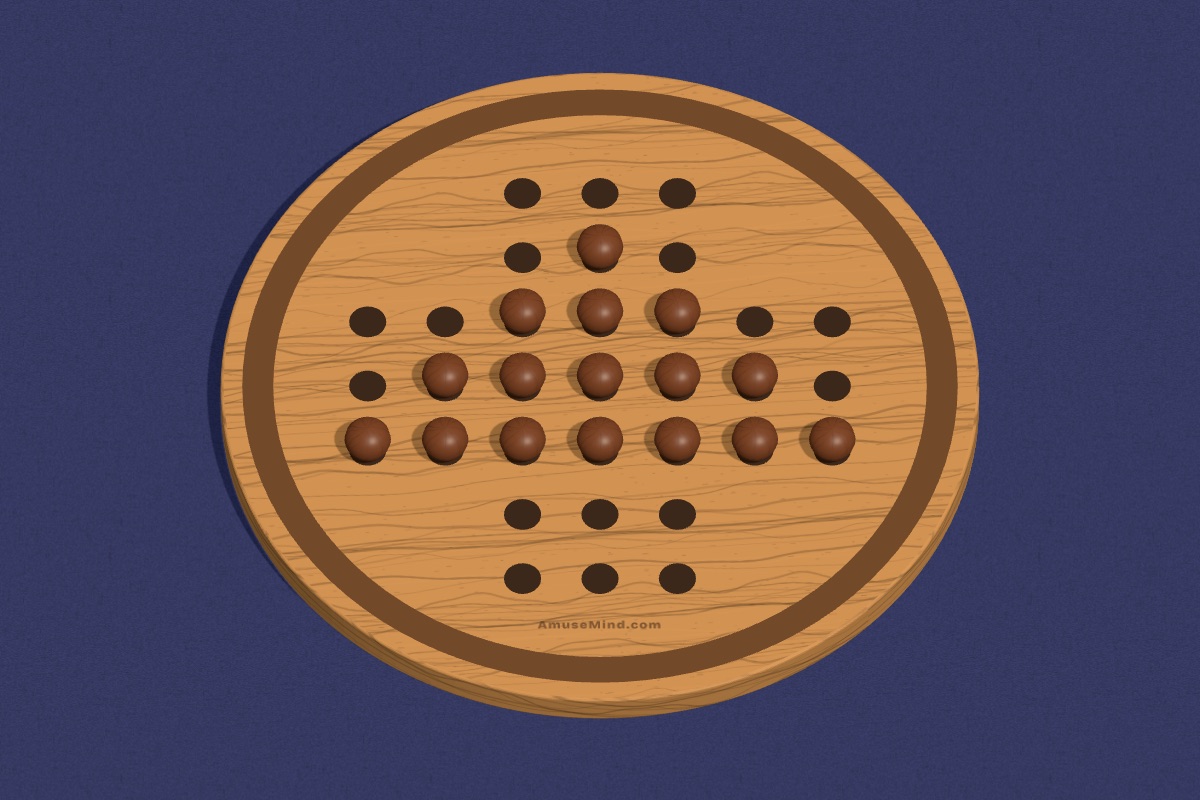
Peg solitaire. Jump pegs until one is left. Every jump changes what is possible next.
Sokoban. Push crates onto spots, never pull. The classic “think before you move” puzzle.
Nonogram. Use number clues to reveal a picture. Logic with a reward at the end.
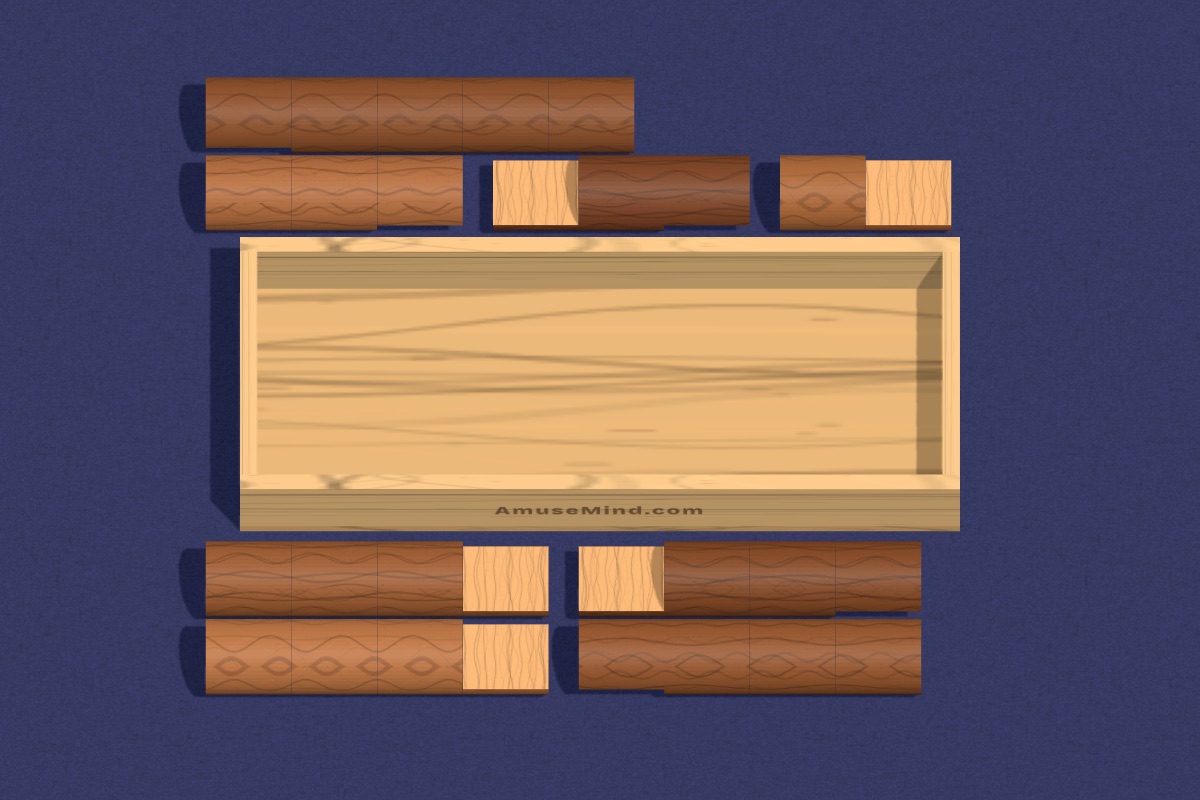
The Luban lock. Take apart an interlocking wooden puzzle, real 3D thinking.


For older children and teens
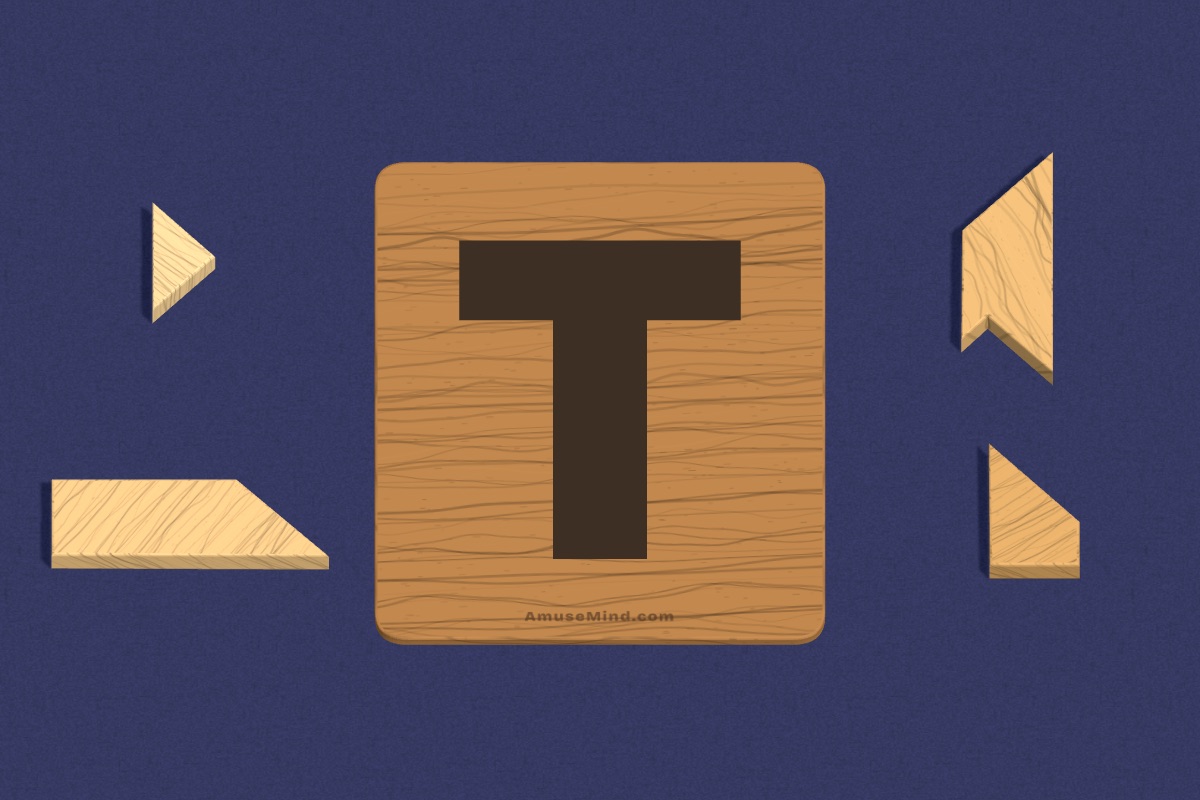
The T puzzle. Only four pieces, yet making the T itself defeats many adults.
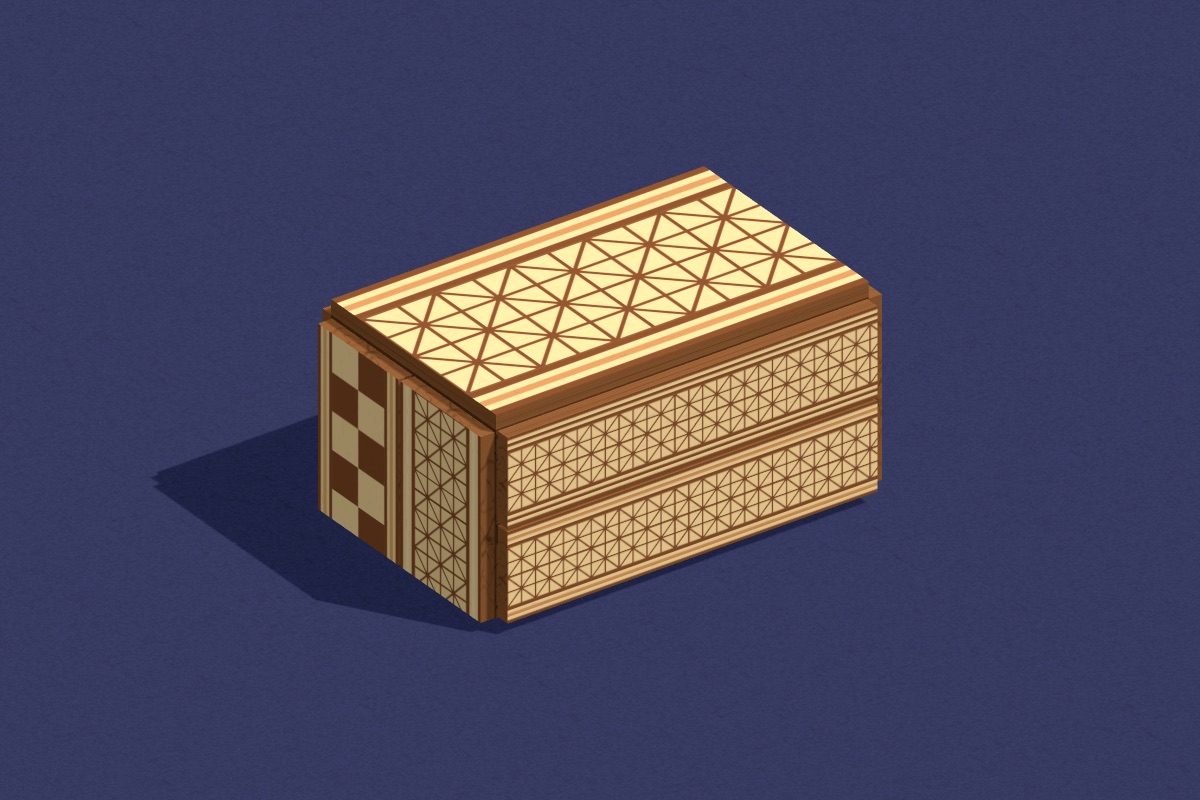
The Japanese puzzle box. Find the hidden order of sliding panels.
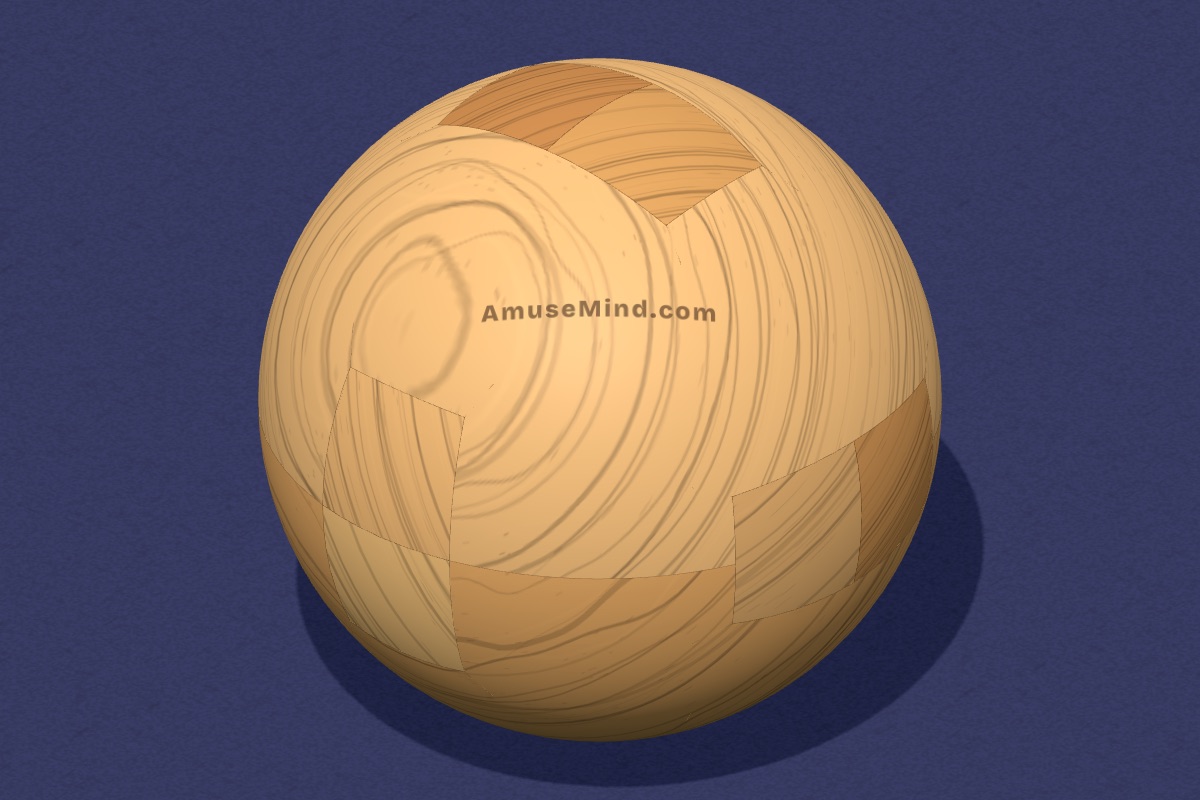
The harder levels of everything above. The same classics stretch a long way: a 9 by 9 sudoku, the full peg solitaire board, the classic Klotski layout or the wooden magic ball are real challenges at fourteen.
How to introduce a classic
Play the first one together. Say the rule out loud in one sentence, then let your child try before you help. When they get stuck, ask a question (“which piece can only go in one place?”) rather than pointing. And stop while it is still fun: a classic will still be there tomorrow.
Why the classics last
These puzzles survived because each one is built on a single clean idea. Tangram is about shapes staying the same when turned. Tower of Hanoi is about breaking a problem into smaller copies of itself. Sudoku is pure elimination. Sokoban is cause and effect: every push has a consequence you can’t take back in real life.
Children who meet these ideas in play often recognise them later, in maths lessons, coding, science or simply in planning their day. That is a good reason to make sure every child gets to try them, and to let them come back to the harder levels as they grow.
Classic puzzles are also wonderfully shareable across generations. Grandparents often remember peg solitaire or the sliding number puzzle, and playing together is a lovely way to swap stories as well as strategies.
Questions parents ask
Which classic puzzle is best to start with?
Tangram or a simple packing tray for five year olds; Tower of Hanoi with three rings or a 4 by 4 sudoku for six year olds.
Are these puzzles free on AmuseMind?
Yes. Every puzzle is free to try in the browser, with no sign-up and no ads.
How long should a puzzle session be?
Most of these take five to fifteen minutes. One or two puzzles is plenty; finishing on a success matters more than playing long.