Wooden puzzles have been on family tables for generations: a box of logs that only just fits, a tray of shapes, a lock that comes apart in your hands. They are quiet, satisfying and very good for thinking. AmuseMind brings those puzzles to the screen as 3D wood you can turn and slide, so children get the same feel without a box of pieces to lose.
Why the wooden feel matters
A wooden puzzle feels real. Pieces have thickness, cast shadows and stop when they bump into each other. That matters for children, because it makes the rules obvious without any instructions: a piece fits or it doesn’t, a block slides until it hits something.
It also slows things down in a good way. Instead of tapping quickly through bright buttons, children pick a piece up, turn it, look at it and try it. That pause is where spatial thinking happens.
Packing puzzles: fit everything in
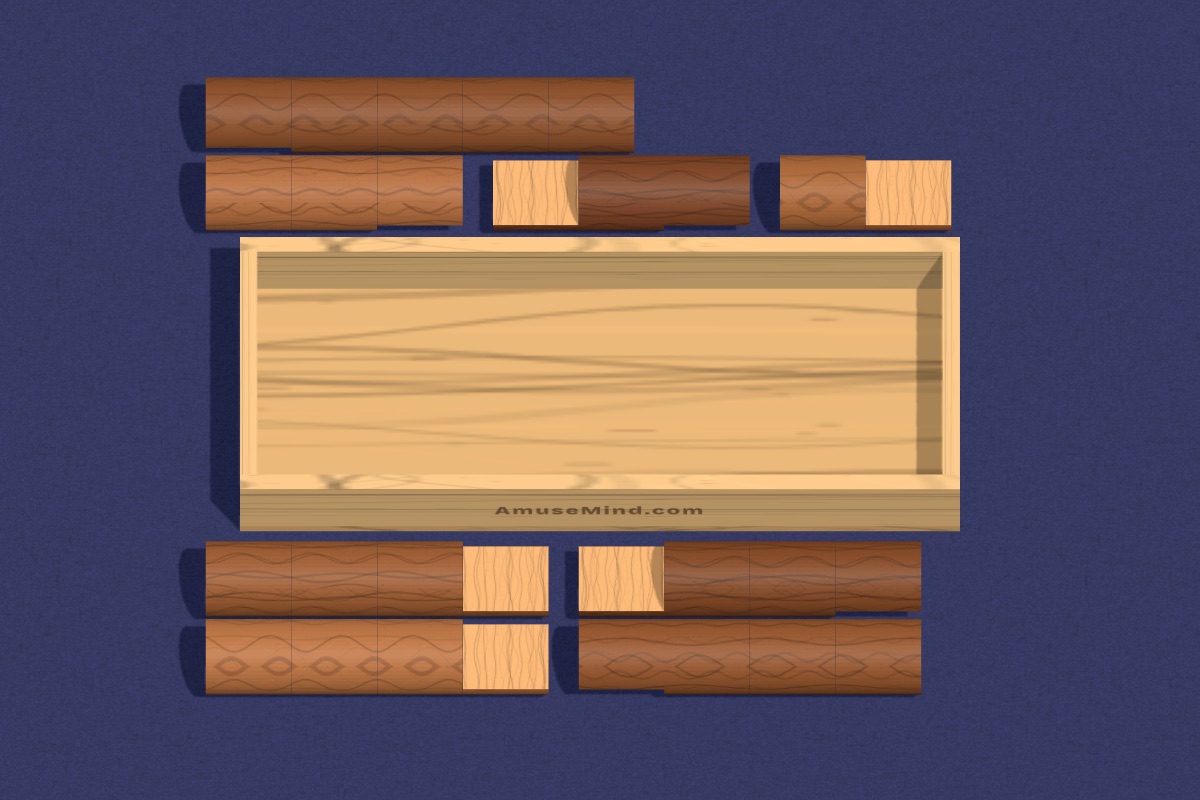
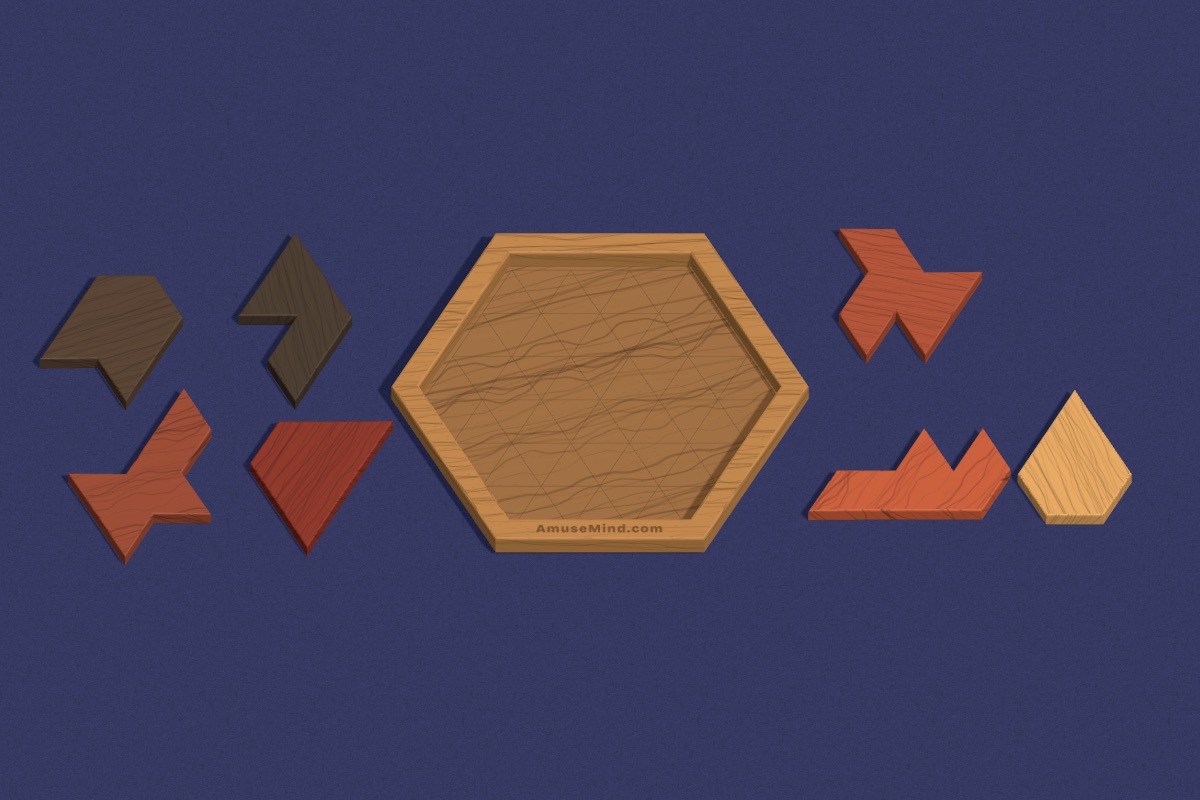
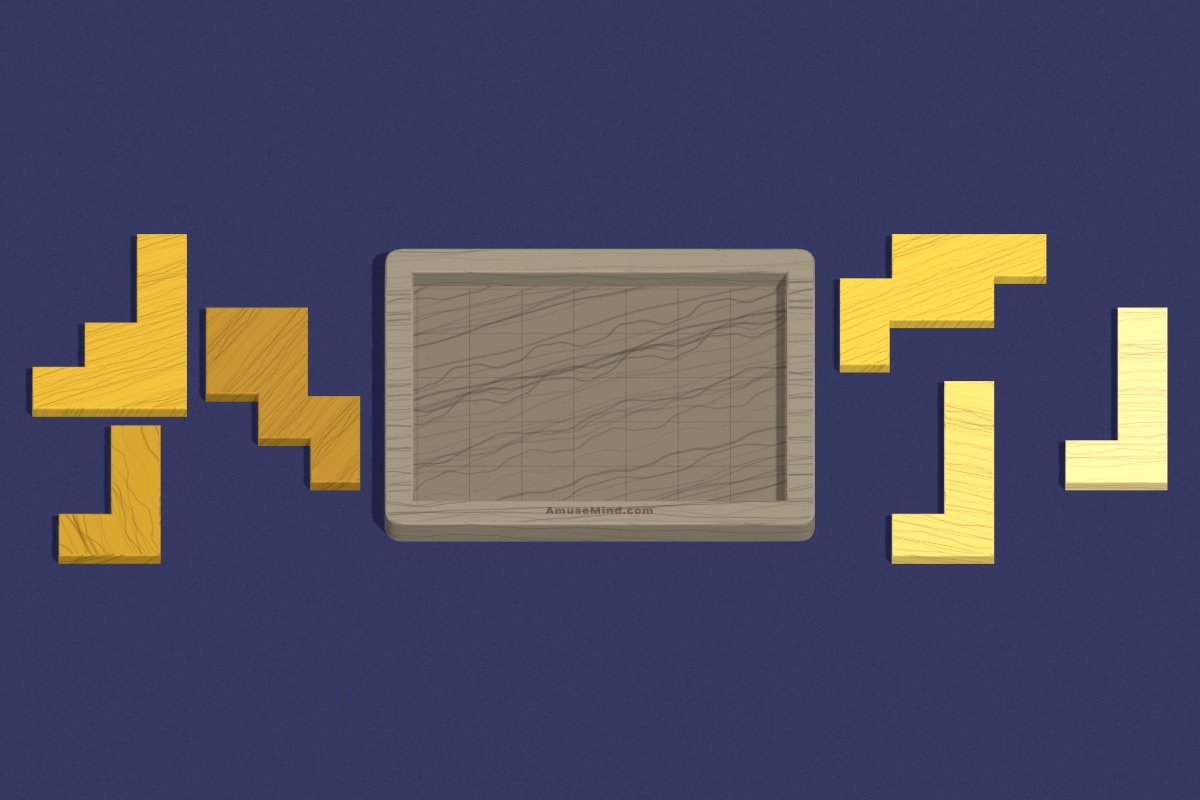
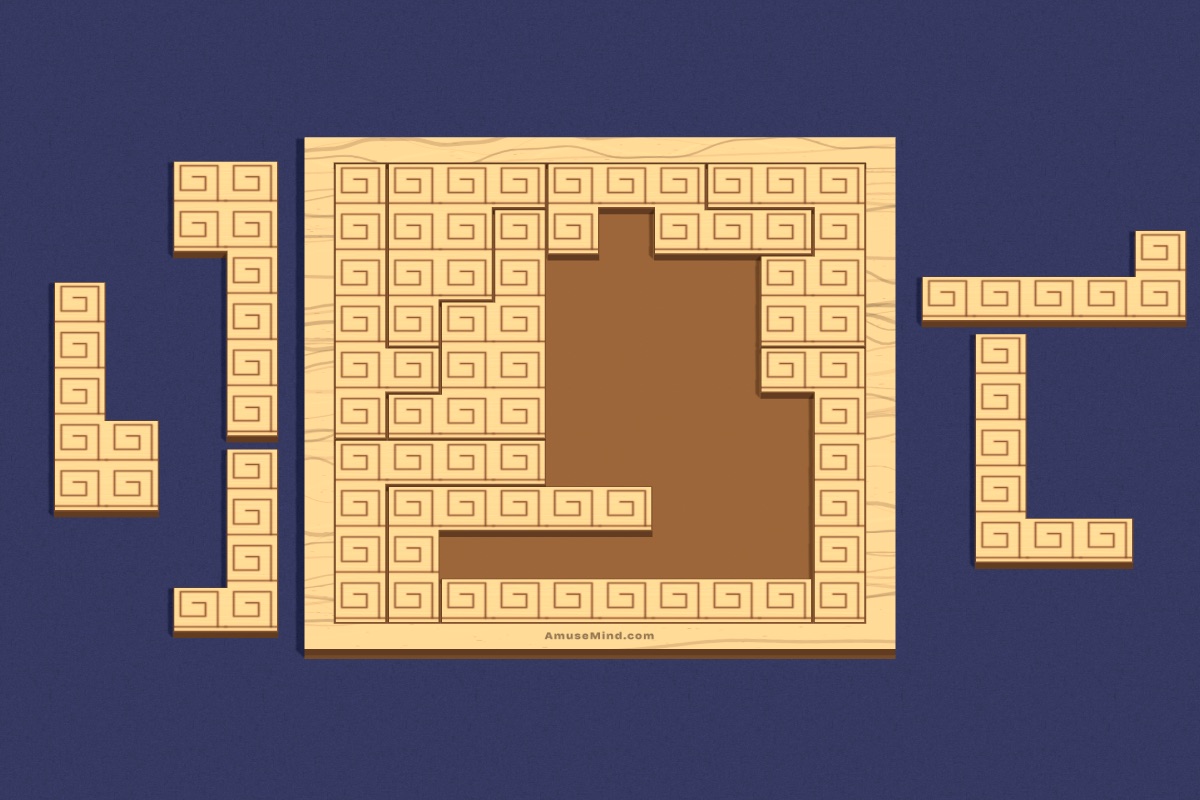
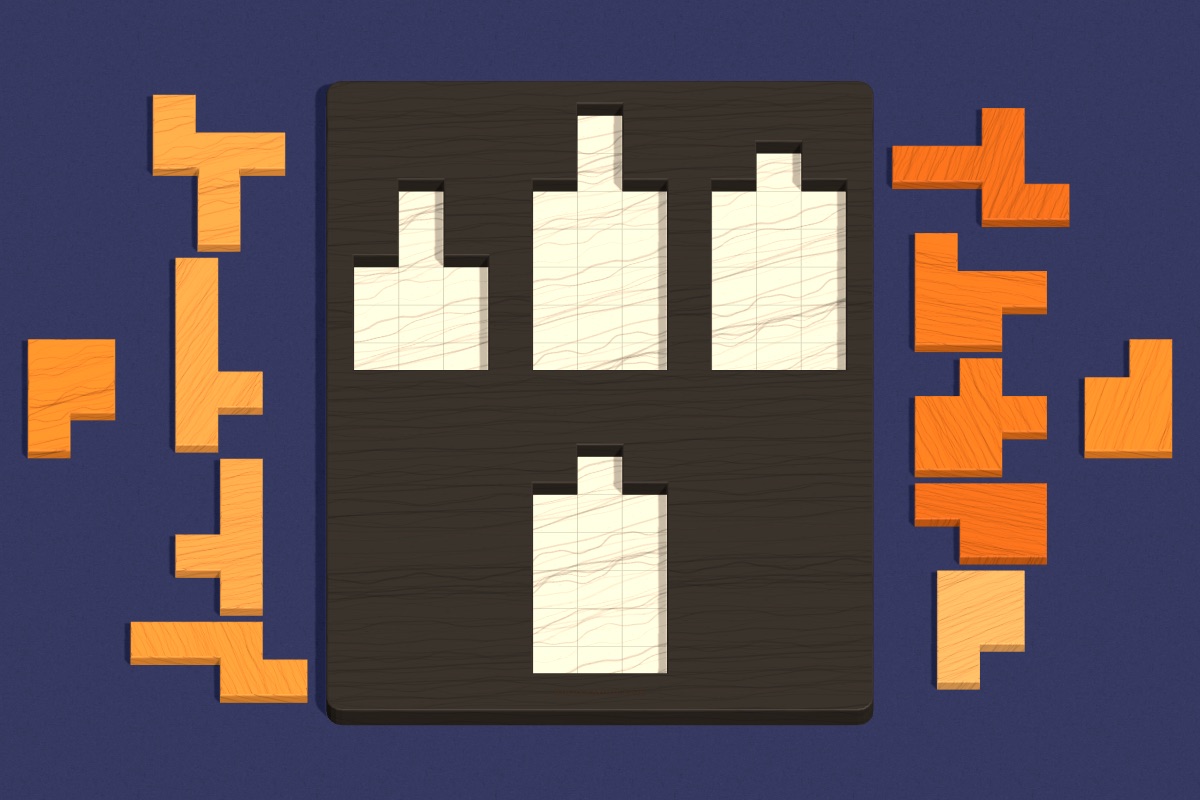
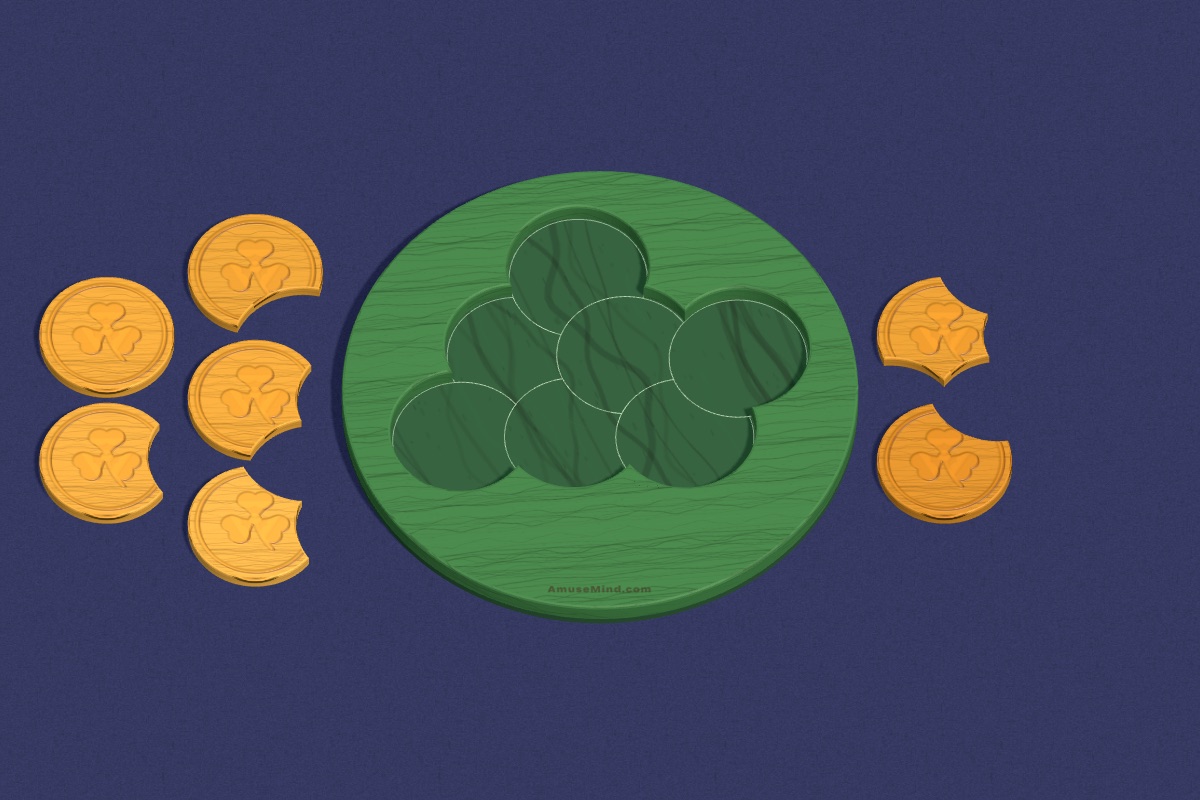
The simplest wooden brain teasers ask you to fit every piece into a tray. Eight Logs is a box of logs with half-cut ends that can share a spot. Hexwood fills a hexagon. The rectangle, square, triangle, parallelogram and diamond trays each bring their own shapes. Pattern Boards hides the joins inside a carved pattern, like laser-cut puzzles.
These suit a wide range of ages, from five year olds on Beginner to teens on Demon, where pieces start flipped and some squares are blocked.
Sliding puzzles: plan your moves
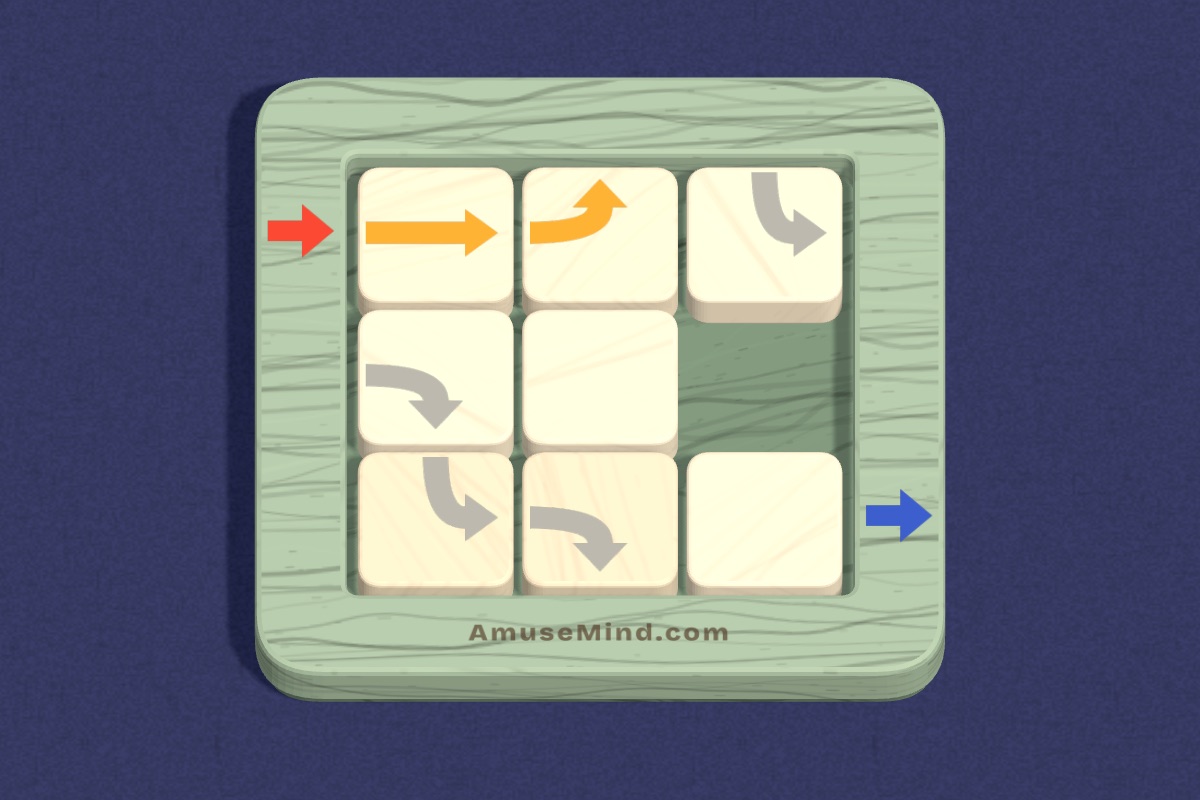
Sliding-block puzzles keep every piece in the box and ask you to rearrange them. The number slide puts tiles in order; Hakoiri Musume (also called Klotski) frees a big block through a gap; Road Slide joins a road from start to finish.


Take-apart puzzles: think in 3D
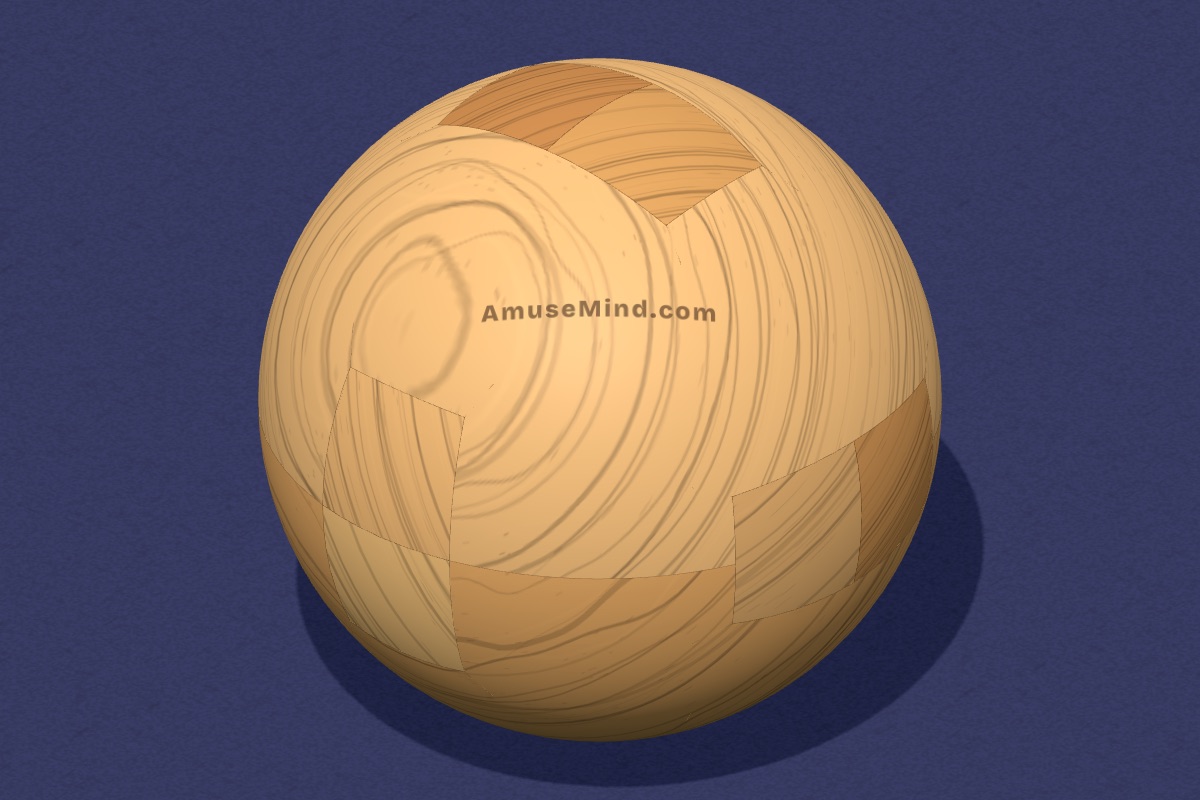
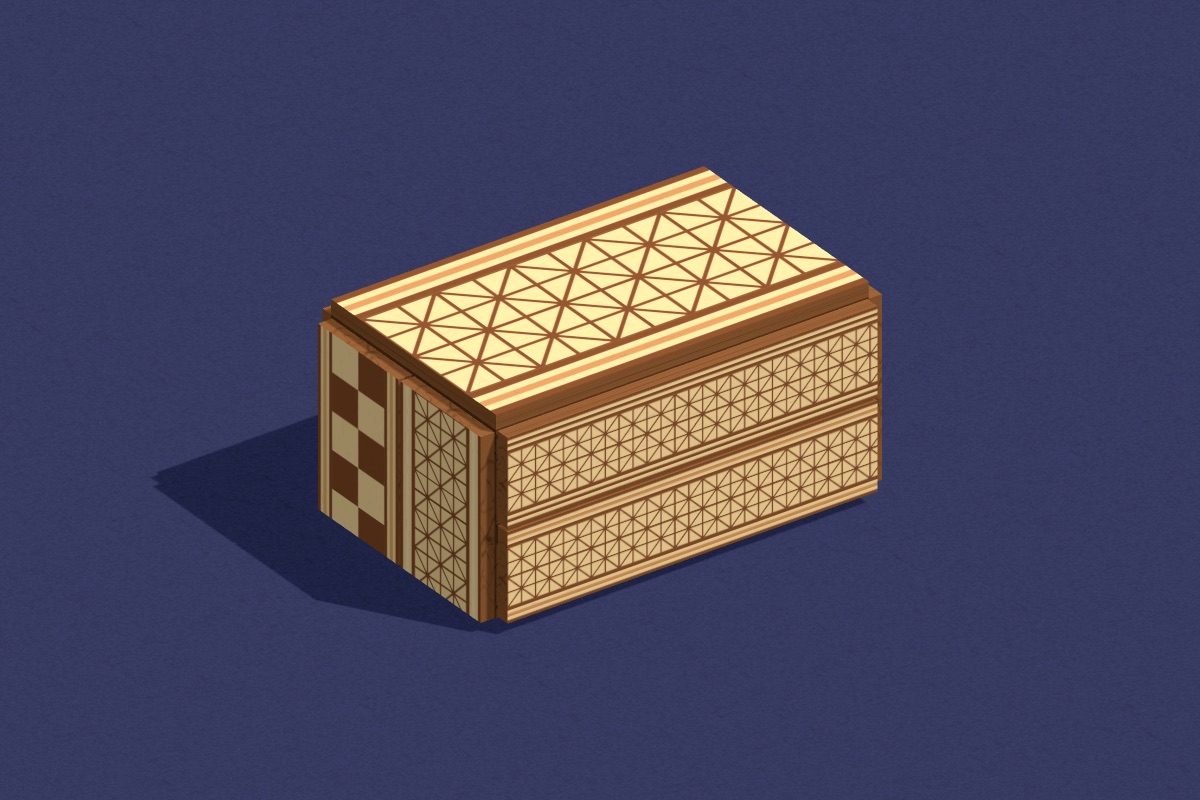
The hardest wooden brain teasers are the ones you take apart. A Luban lock, or burr, is a cluster of notched sticks with one escape route. A Japanese puzzle box hides its opening behind sliding panels. Both reward patience and careful testing, and both are much easier to explore on screen, where you can turn the puzzle and undo a move.
Shape and picture puzzles
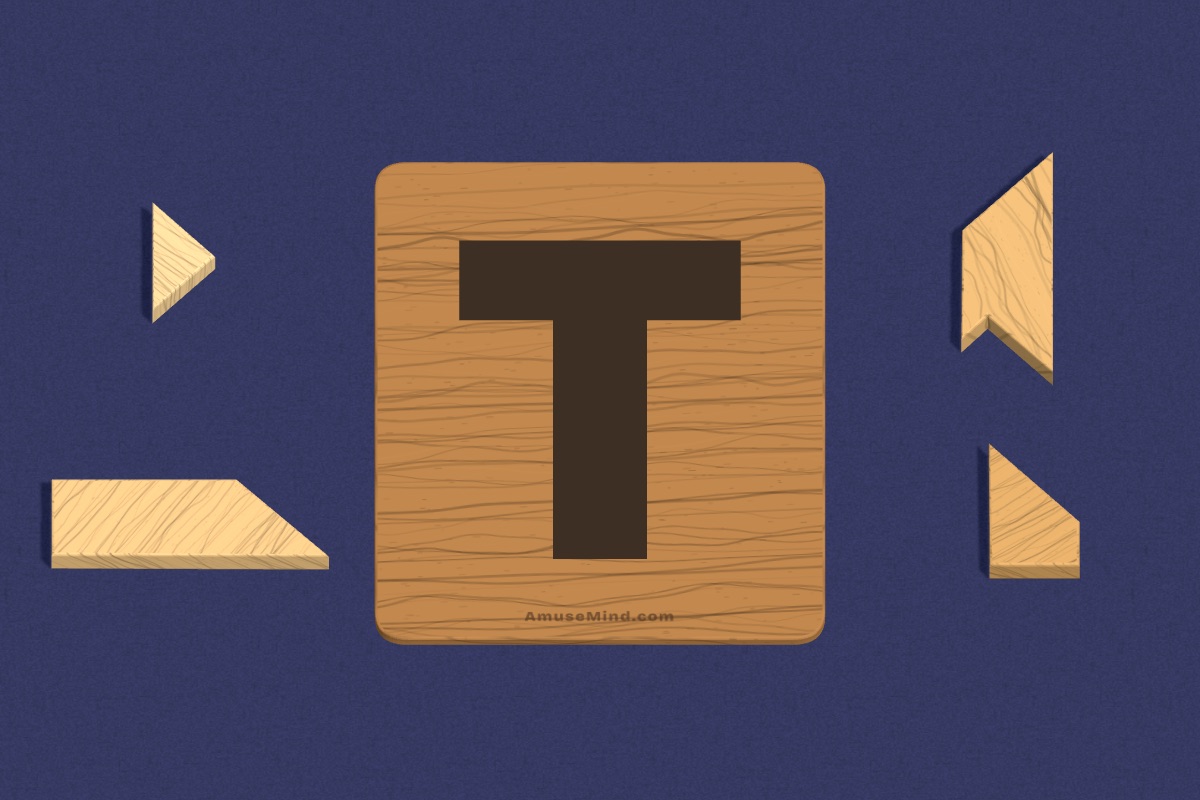
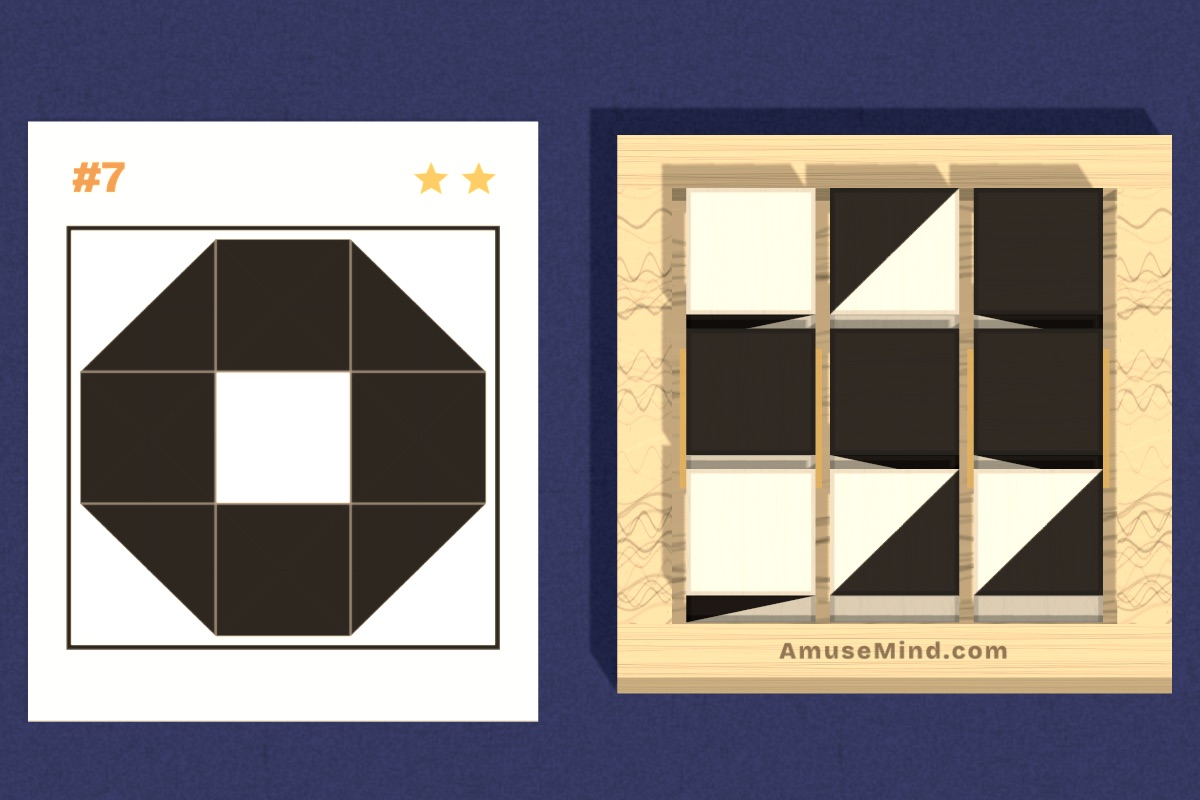
Tangram and the T puzzle use a few wooden shapes to fill a silhouette. Hidden Blocks asks children to copy a black-and-white pattern with cubes. Shape Match, for the youngest, slots heart, arrow and key shapes into matching holes.


Online or real wood?
Both are good. Real wooden puzzles are lovely for small hands and family tables. Online versions add things a box can’t: a fresh puzzle every time, five levels from easy to very hard, undo, and no pieces under the sofa. Many families use both.
How to help when a child is stuck
Wooden brain teasers can feel impossible right before they click. Instead of showing the answer, ask a question that narrows things down: which piece can only go in one place? Which corner is hardest to fill? What happens if you start from the other end? Often that is enough.
If frustration is building, step down a level or swap to a different kind of puzzle for a while. Coming back later with fresh eyes solves more puzzles than pushing through. And when the box finally fills or the lock comes apart, let your child enjoy the moment before suggesting the next one.
Questions parents ask
Are online wooden puzzles as good as real ones?
They train the same thinking. Real puzzles are great for touch; online versions add new puzzles, levels and undo. Using both works well.
What age are wooden brain teasers for?
Packing trays and Shape Match suit four and five year olds on easy levels. Sliding and take-apart puzzles suit about seven and up.
Do I need to download anything?
No. AmuseMind’s puzzles play in the browser on phones, tablets and computers, free, with no sign-up and no ads.
