Singapore primary maths asks children to use heuristics: problem-solving strategies like working backwards, guess and check, and looking for patterns. Those strategies are habits of mind, and habits grow with practice. Puzzles are a relaxed, fun way to practise the same habits away from worksheets. To be clear: this is practice for thinking, not exam preparation, and it is no replacement for schoolwork.
Working backwards
Some problems are easiest to solve from the end. In Sokoban, children learn to think about where a crate must finish and work back to the push that gets it there. Tower of Hanoi is the classic: to move the biggest ring, every smaller ring has to be out of the way first, so children naturally reason from the goal backwards.


Guess and check, and systematic listing
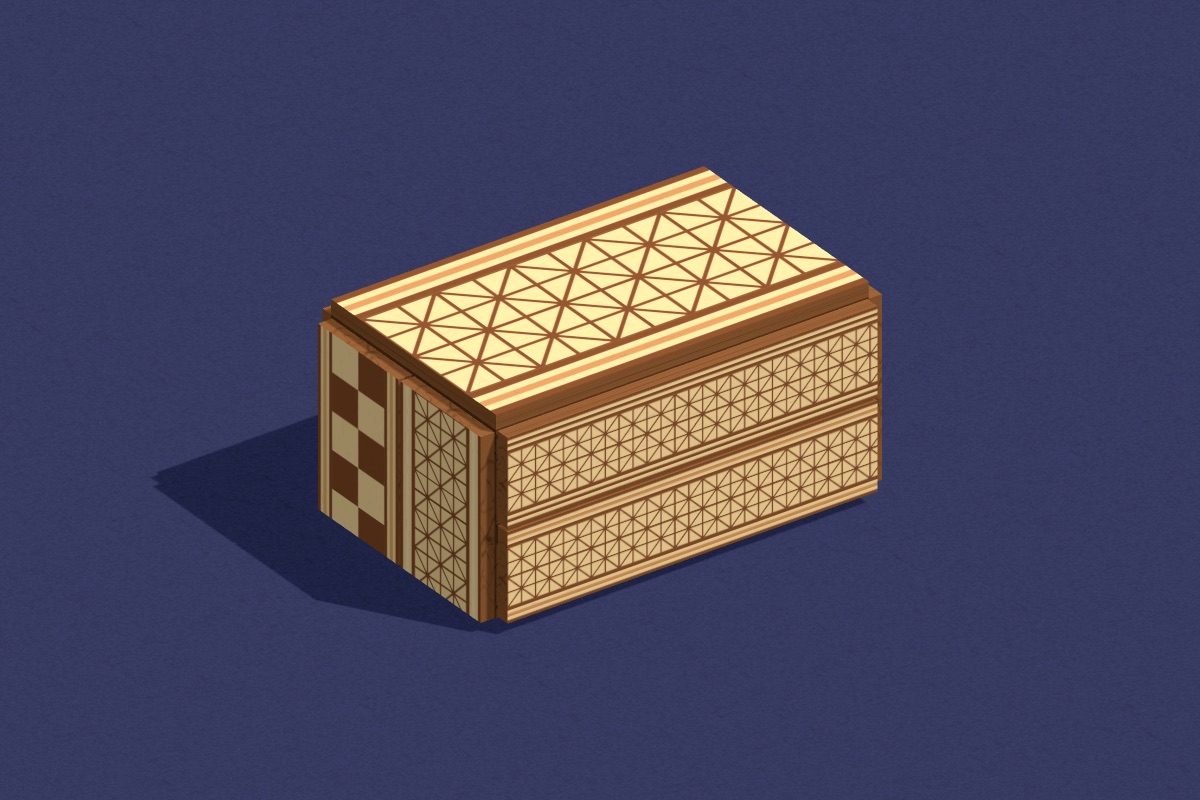
Guess and check works best when it is careful: try a value, see what follows, and adjust. Sudoku, Bridges and Nonogram reward exactly this, and they reward keeping track of what you have already ruled out. Over time children move from random guessing to organised elimination, which is the heart of systematic listing.



Simplify the problem
When a problem is big, solve a smaller version first. Number Slide teaches this directly: children who solve the top row first, then the next, find a 5 by 5 board manageable. Hakoiri Musume’s smaller Beginner boxes build the instincts that make the full puzzle possible.


Look for patterns
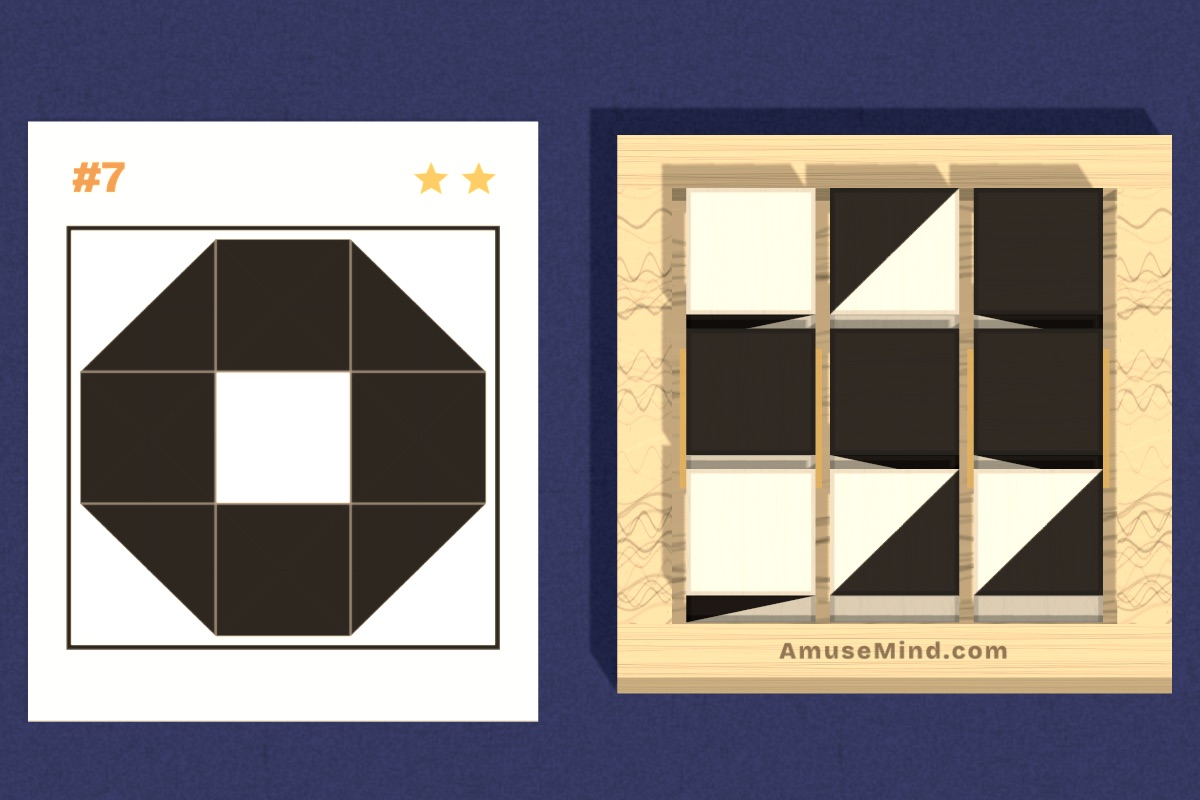
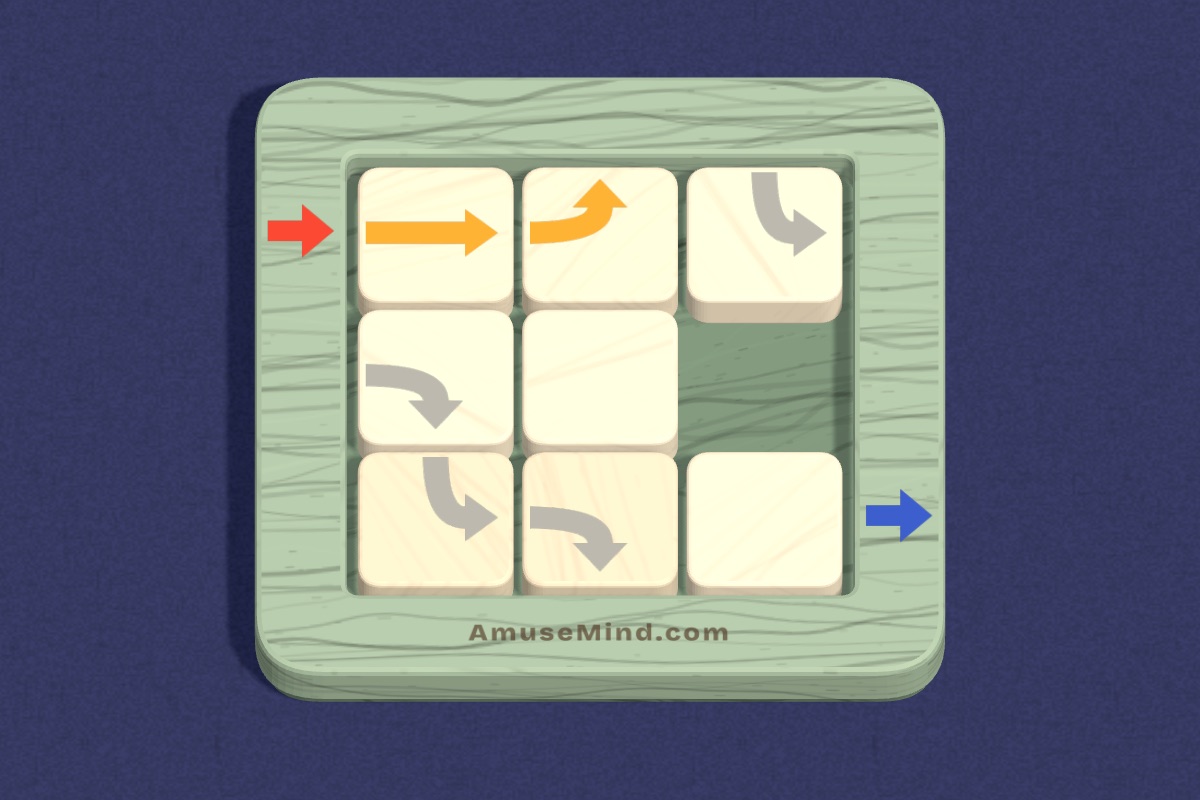
Tower of Hanoi hides a beautiful pattern: once children spot how the small ring moves, any size of tower becomes solvable. Hidden Blocks asks children to see a big design as a pattern of small pieces, and Road Slide rewards noticing which tiles must link.
Act it out and draw a diagram
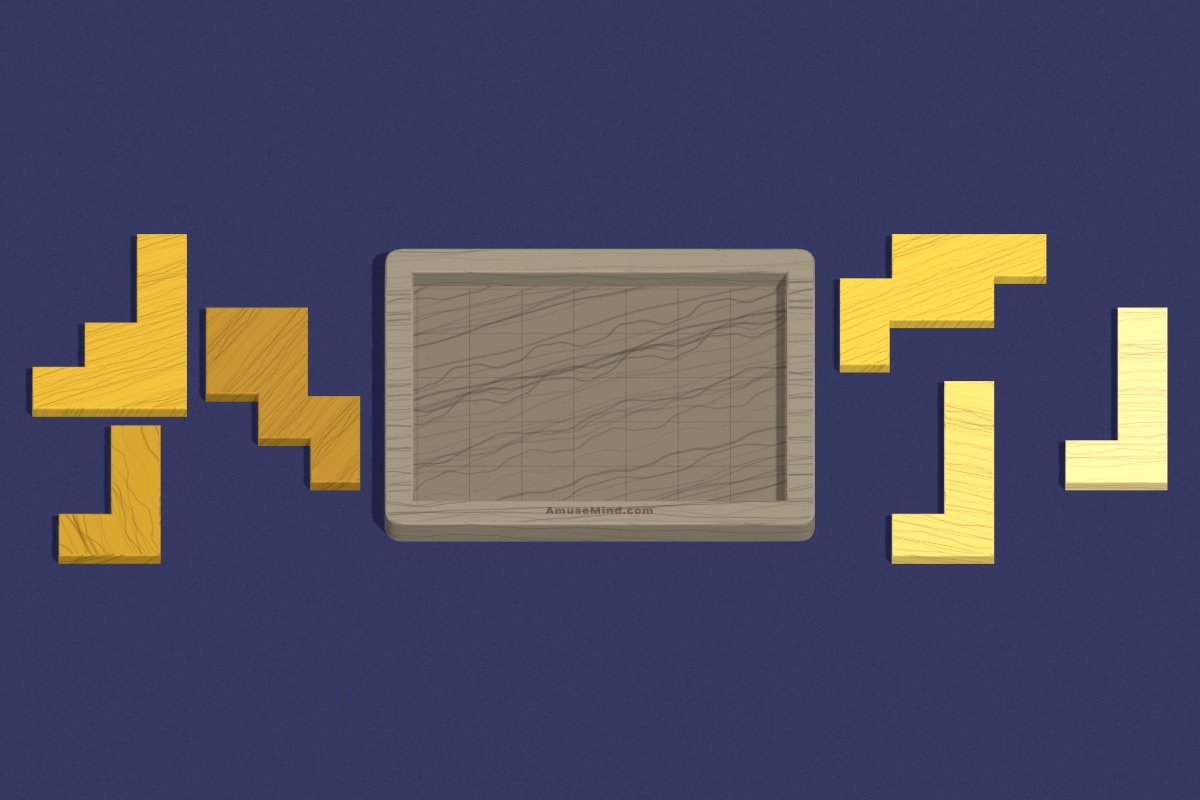
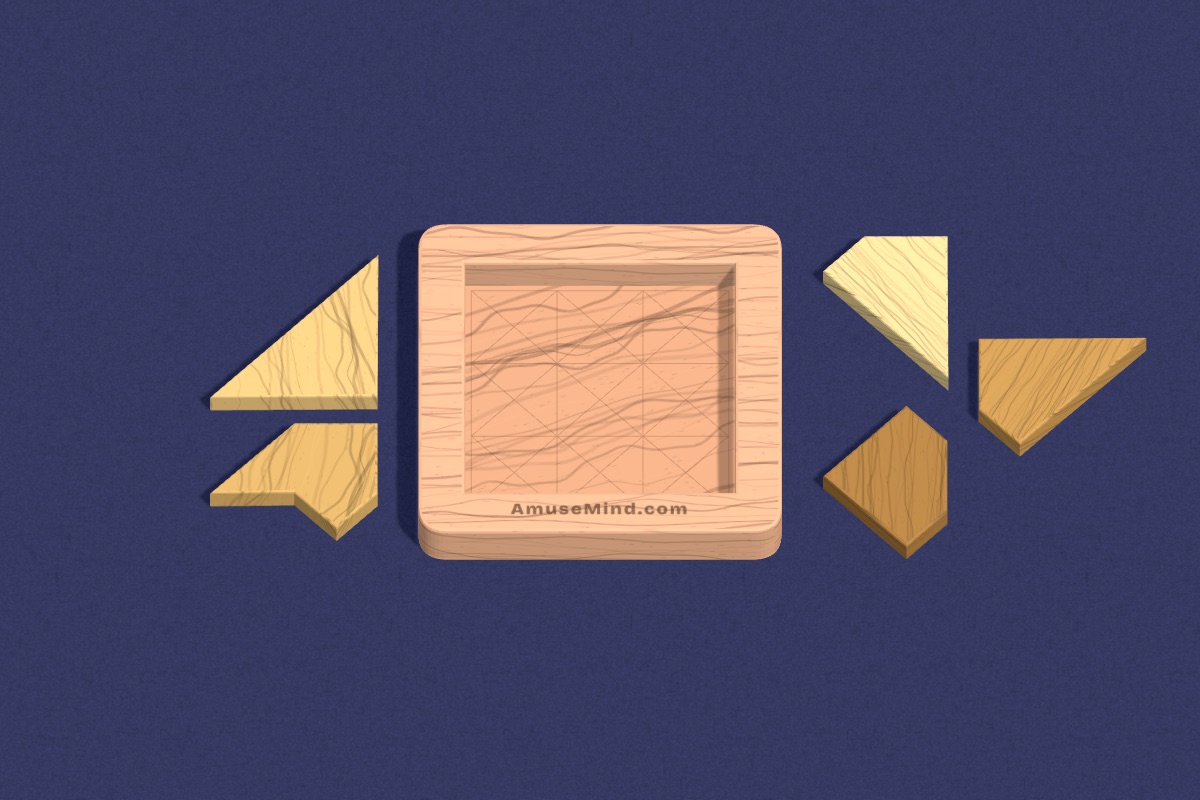
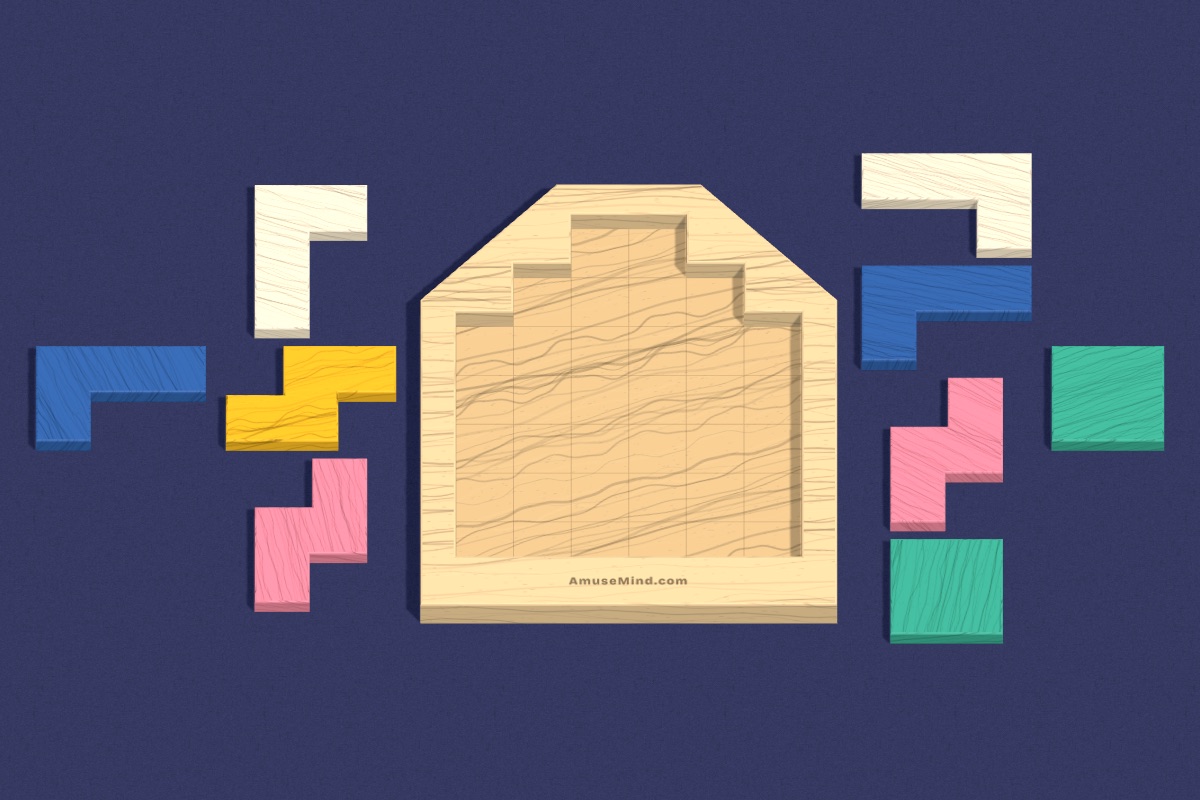
Many model-drawing and diagram strategies rely on seeing how parts make a whole. Tangram and the tray puzzles are hands-on versions of this: children move real shapes until the parts fill the whole, building the visual intuition that later helps with fractions, area and model drawing.

How to use puzzles well
Keep it light and short: a puzzle or two after school, not an extra lesson. Ask your child to explain how they solved it, and name the strategy if it fits (“you worked backwards there!”). That small link helps children recognise the same move in a maths problem later. And let them be stuck for a while; persistence is a habit too.
Which puzzles suit each primary level
For Primary 1 and 2, start with Beginner levels: Tangram, Rectangle Tray, Hidden Blocks and Tower of Hanoi with three rings build visual and planning habits gently. For Primary 3 and 4, try Sokoban, Bridges, Nonogram and Sudoku on Beginner or Intermediate. For Primary 5 and 6, Pro and Hacker levels of Hakoiri Musume, Tower of Hanoi, Number Slide and Puzzle Box give a real stretch.
Every AmuseMind puzzle shows a recommended age for each level, so it is easy to find a starting point and move up as your child grows in confidence.
Questions parents ask
Will puzzles improve my child’s PSLE score?
We don’t claim that. Puzzles practise thinking habits like working backwards and looking for patterns. They complement schoolwork; they don’t replace it.
Which puzzle is best for practising heuristics?
Tower of Hanoi (patterns, working backwards), Sokoban (working backwards) and Sudoku (systematic elimination) are good places to start.
Is AmuseMind a tuition replacement?
No. It is a free, ad-free puzzle site for building thinking habits through play, with optional Family Pro extras.