Primary 1 is a big change: longer days, new routines and lots to take in. Puzzles at this age should feel like play, not another lesson. The good news is that six- to eight-year-olds are at a wonderful stage for puzzles: they can follow a rule, hold a goal in mind, and enjoy the “aha” when something clicks. Here is what to play and how to keep it light.
What P1 and P2 children are ready for
Lower primary children can follow a clear rule, like “each number once in every row” or “a big ring never goes on a small one”, and they are starting to plan one or two steps ahead. They also love seeing shapes fit together, which builds the spatial sense that supports early geometry and measurement.
They are still building patience, so puzzles should give quick wins. Short levels, clear finishes and a chance to try again straight away matter more than difficulty.
Shape puzzles: start here
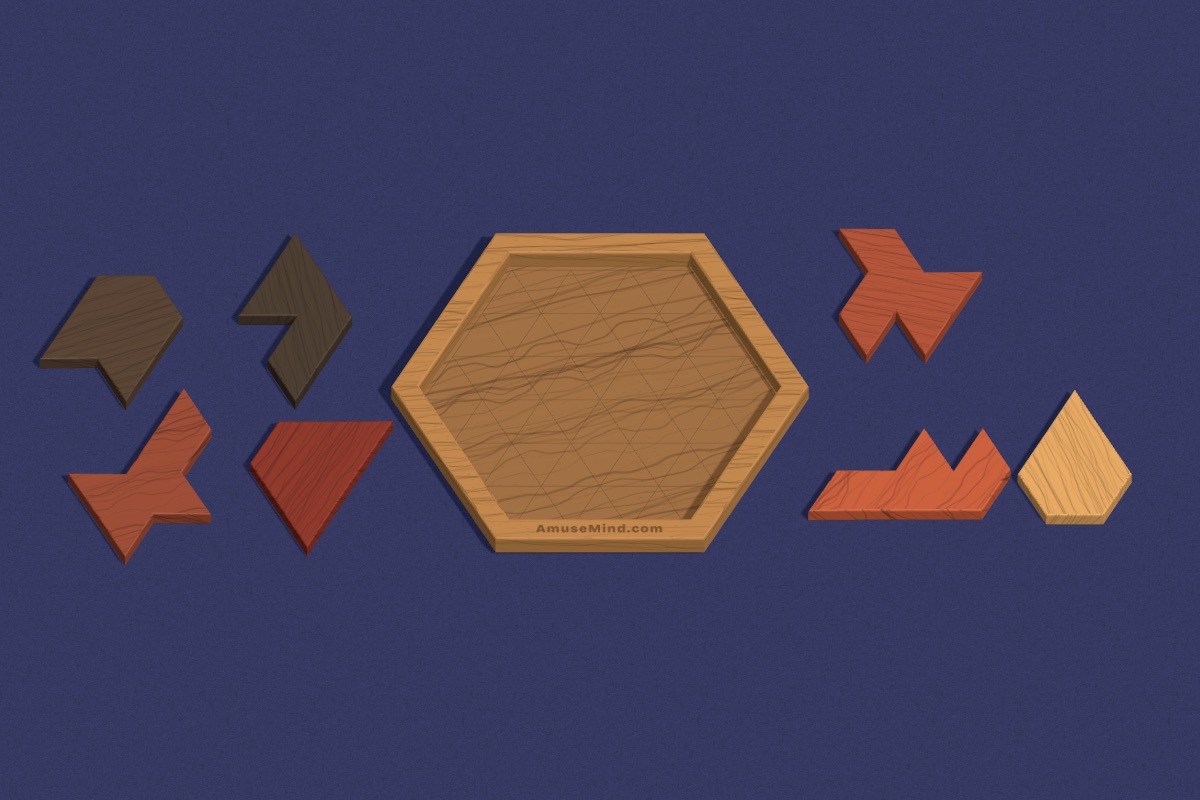
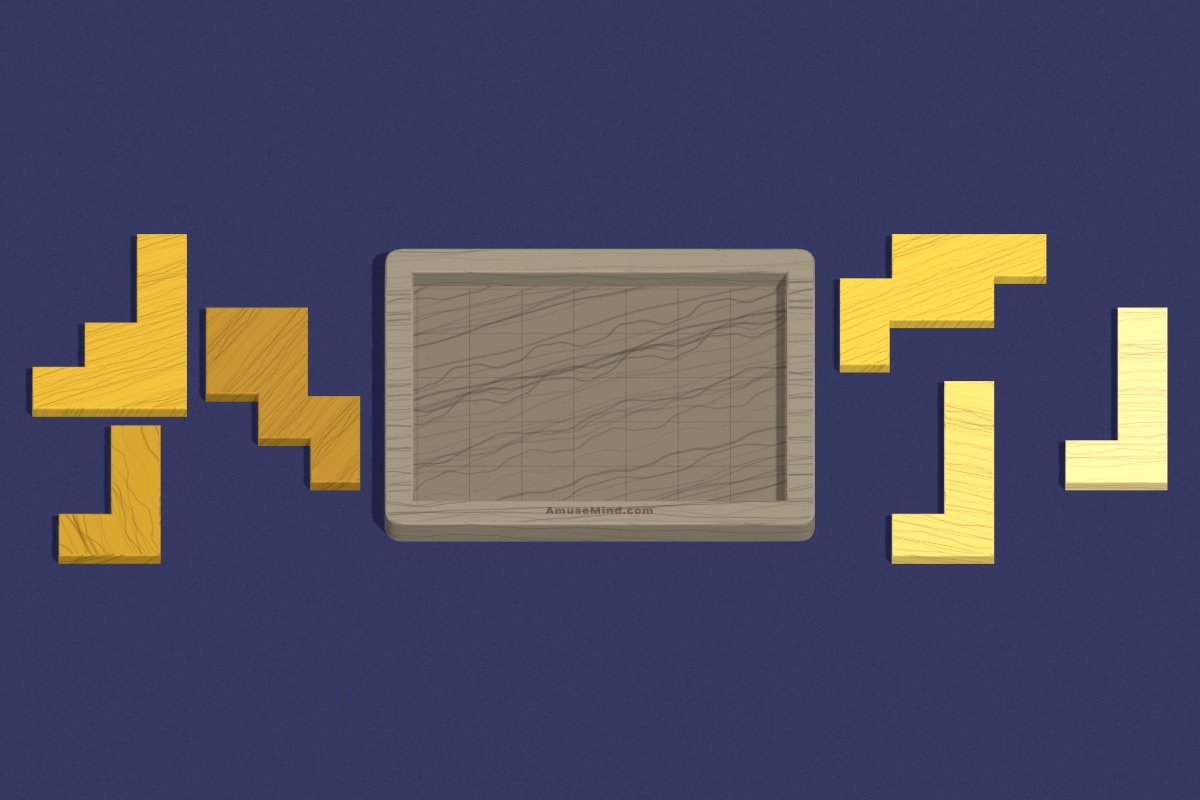
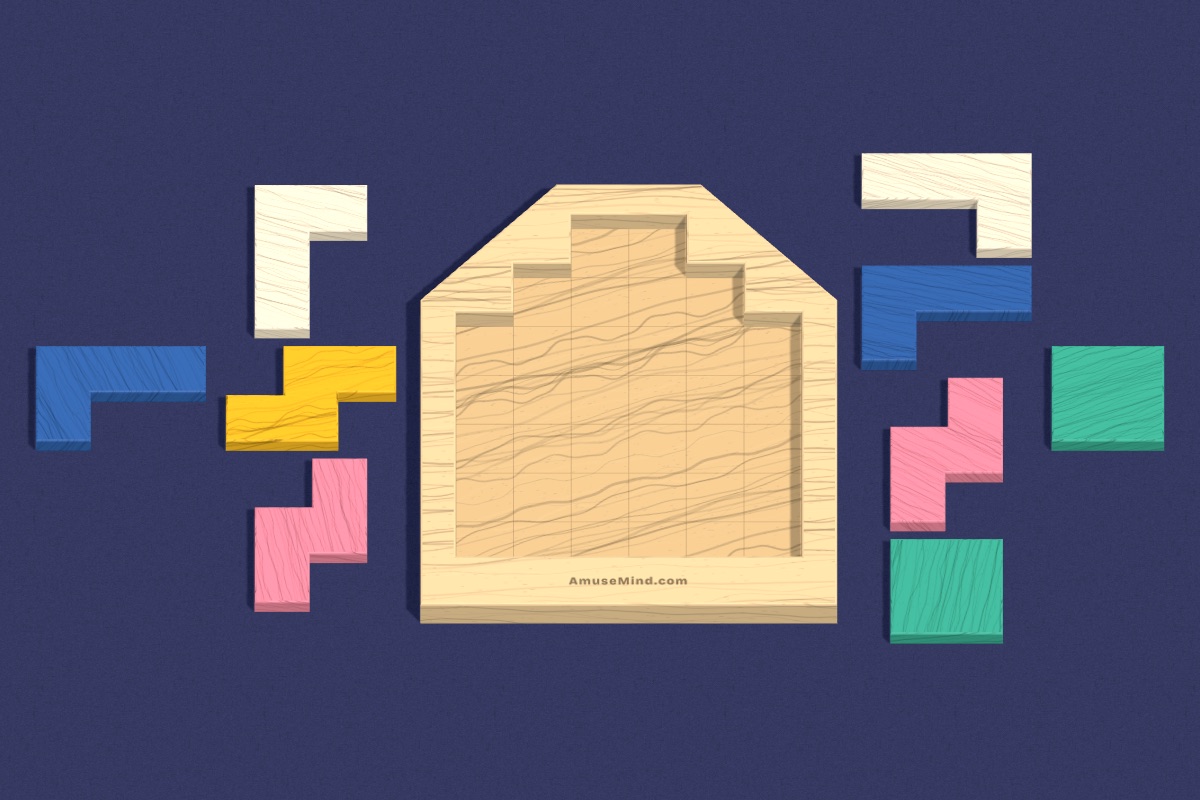
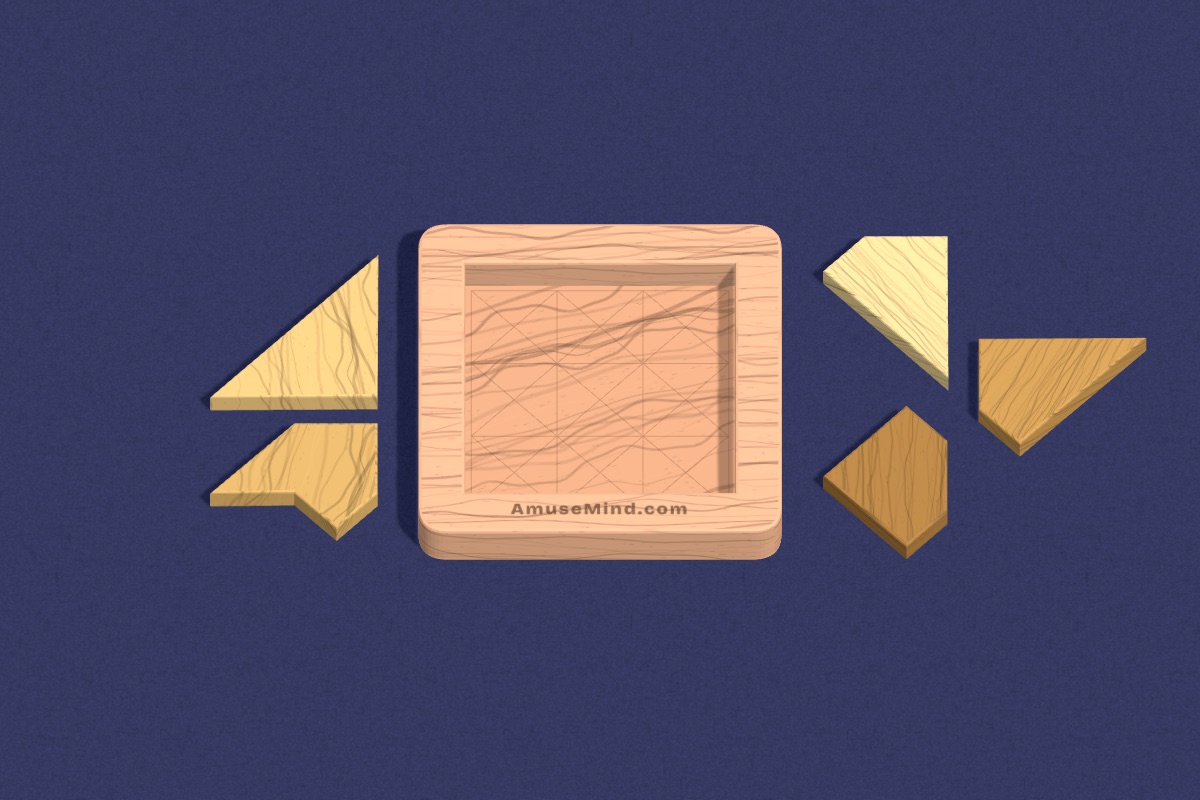
Tangram on Beginner shows the outline of every piece, so children learn how triangles make squares without getting stuck. Hexwood starts with pieces the right way round. The Rectangle Tray on Beginner has a handful of big pieces and a new puzzle every time.
These link nicely to what children meet in lower primary maths about shapes and how they combine, without feeling like schoolwork.

First logic puzzles
Sudoku for Kids starts on a 4 × 4 grid with the numbers 1 to 4, which is exactly right for this age. Tower of Hanoi with three rings is a perfect first planning puzzle: one simple rule and a satisfying finish. Number Slide on 3 × 3 teaches order and patience.
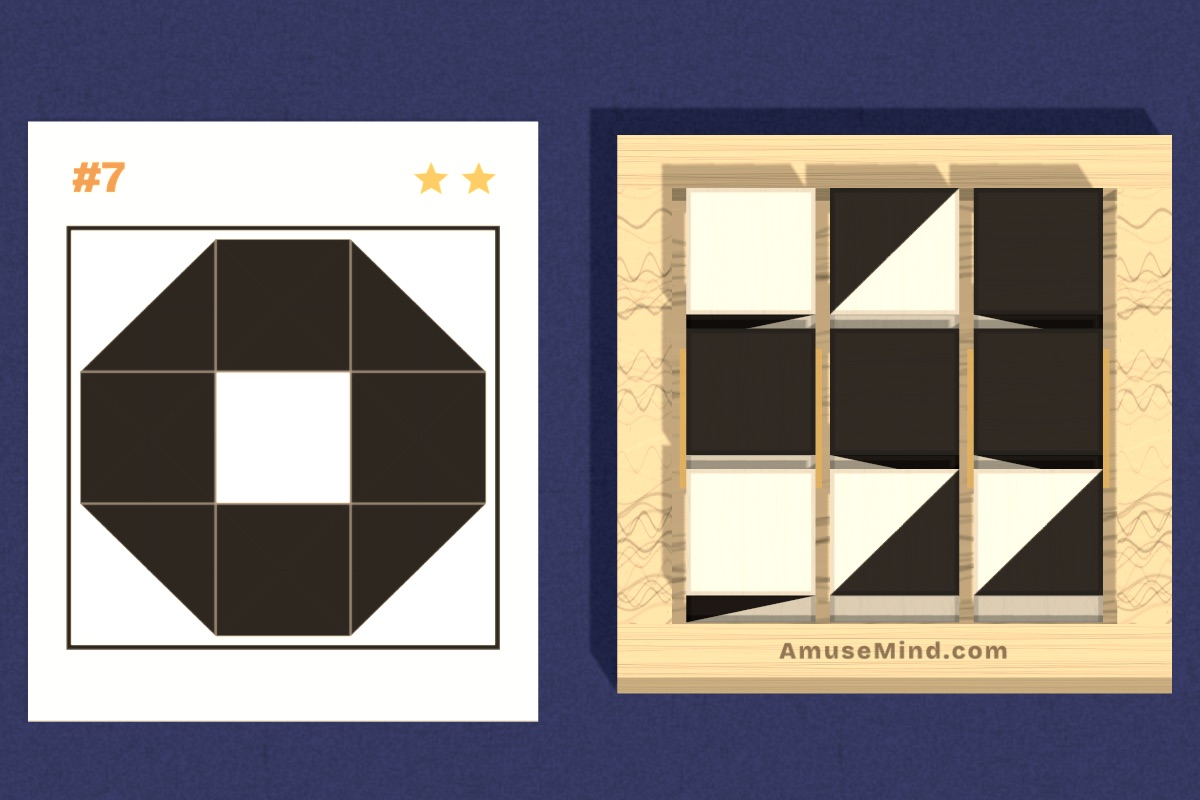
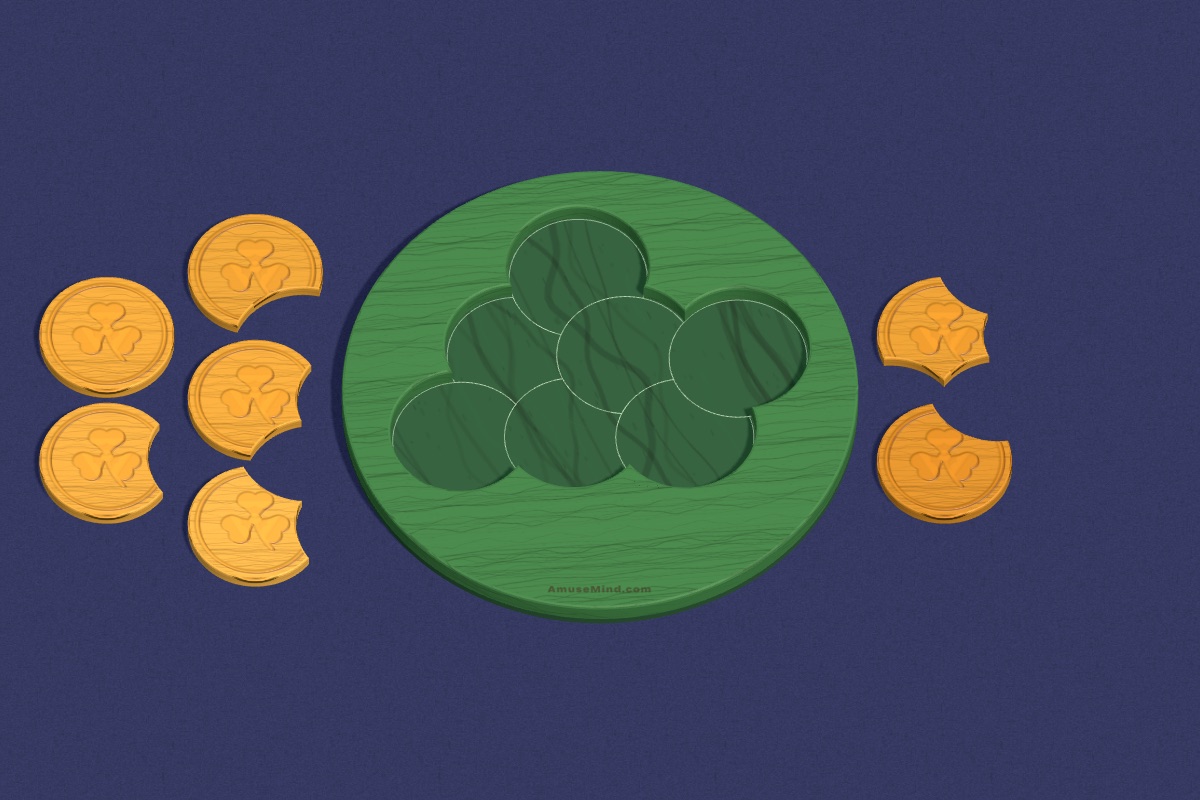
By Primary 2, many children are ready for Sokoban on Beginner, where they learn that some moves can’t be undone, and Hidden Blocks, where they copy a black-and-white picture by turning blocks.




How to help without taking over
Sit with your child for the first few puzzles, then step back. Ask what they are trying to do, and let them explain. If they are stuck, point to an area rather than a piece: “Look at this corner.” That keeps the solving in their hands.
Praise effort and strategy: “You tried three ways before that worked.” That message, that thinking hard is normal and good, is one of the most useful things a child can take into upper primary.
Signs a puzzle is the right level
A good puzzle for this age is one your child can explain the goal of in a sentence, fails on the first try, and solves within a few attempts. If they finish everything instantly, move up a level. If they stop trying after a minute, move down one, or play alongside them for a while.
Watch for the moment they say “wait, I know!” That small burst of insight is exactly what you want to see, and it is the best sign the level is right.
Fitting it into a busy week
Ten minutes after school or before bed is plenty, a few times a week. Puzzles with a clear end work better than endless games, because your child can stop on a win. Every AmuseMind puzzle is free to try in the browser, with no ads and no sign-up, so there is nothing to manage.

Questions parents ask
What level should a P1 child start at?
Beginner on almost every puzzle. Each puzzle shows a recommended age for every level, and most Beginner levels suit ages 5 to 7.
Will puzzles help with Primary 1 maths?
They practise habits that help in maths, like following rules, seeing shapes and thinking ahead. They are not a replacement for schoolwork or a way to learn the syllabus.
My child gives up quickly. What should I do?
Choose an easier level so the first wins come quickly, and sit with them for a few minutes. Persistence grows from small successes.