Primary 3 and 4 are when many children meet longer, multi-step word problems and start drawing models to make sense of them. That calls for a particular kind of thinking: slowing down, breaking a problem into parts, and checking each step. Puzzles are a relaxed way to practise exactly that, away from worksheets. Here are good ones for this age and how to make the most of them.
The thinking habits of middle primary
Middle primary children can hold several steps in their head, test an idea and change their mind. They are also learning to represent a problem, for example with a model drawing, before solving it. Puzzles that reward planning, careful elimination and seeing the whole picture practise these same habits.
This is practice for thinking, not exam preparation. Puzzles won’t teach the syllabus, but they make the habits of careful problem solving feel natural and even fun.
Planning ahead
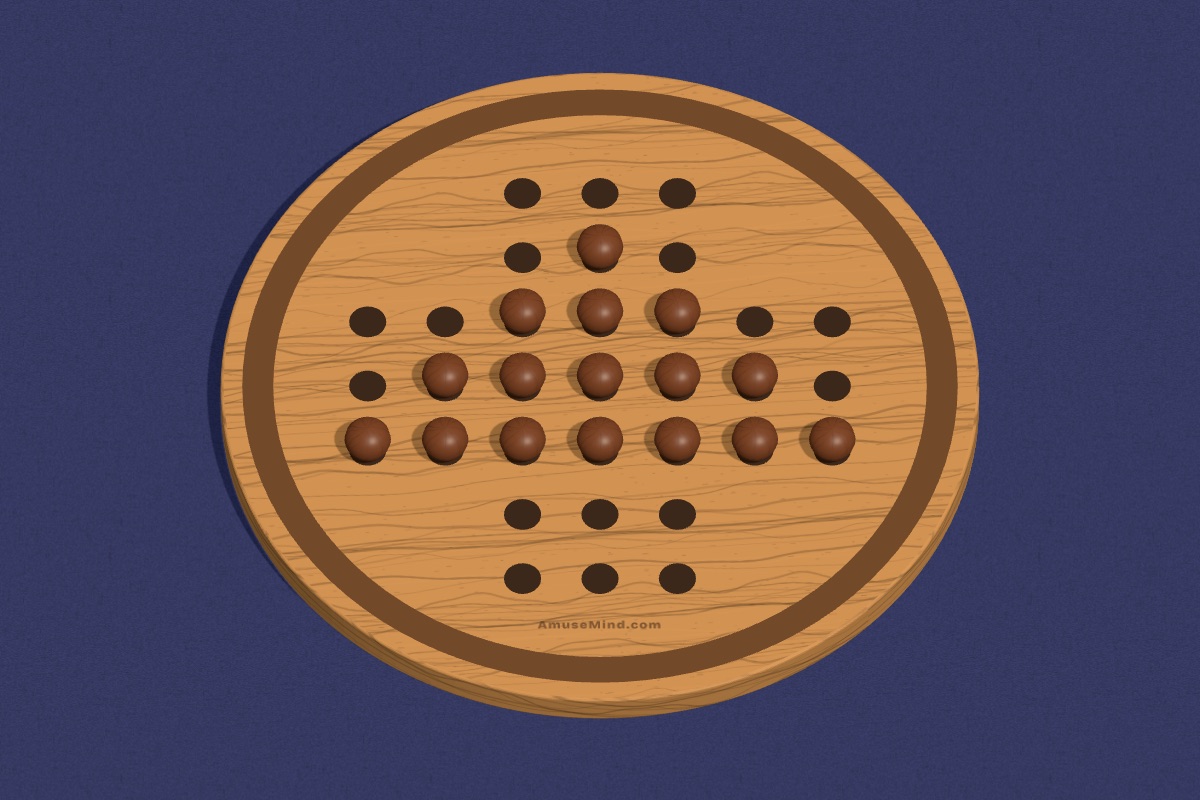
Sokoban on Intermediate is ideal: push crates onto targets, never pull, so every move needs a reason. Tower of Hanoi with four or five rings rewards breaking a big task into smaller ones. Peg Solitaire teaches children to look at what each move leaves behind.
Ask your child to say their plan out loud before they move. Putting a plan into words is a close cousin of drawing a model before working out the numbers.


Careful elimination
Sudoku moves to 6 × 6 at Intermediate and 9 × 9 at Pro, a good stretch for this age. Nonogram turns number clues into a picture, line by line. Bridges asks children to add up what each island still needs. All of them can be solved by reasoning alone, so children learn that guessing is a last resort, not a first step.



Seeing the whole picture
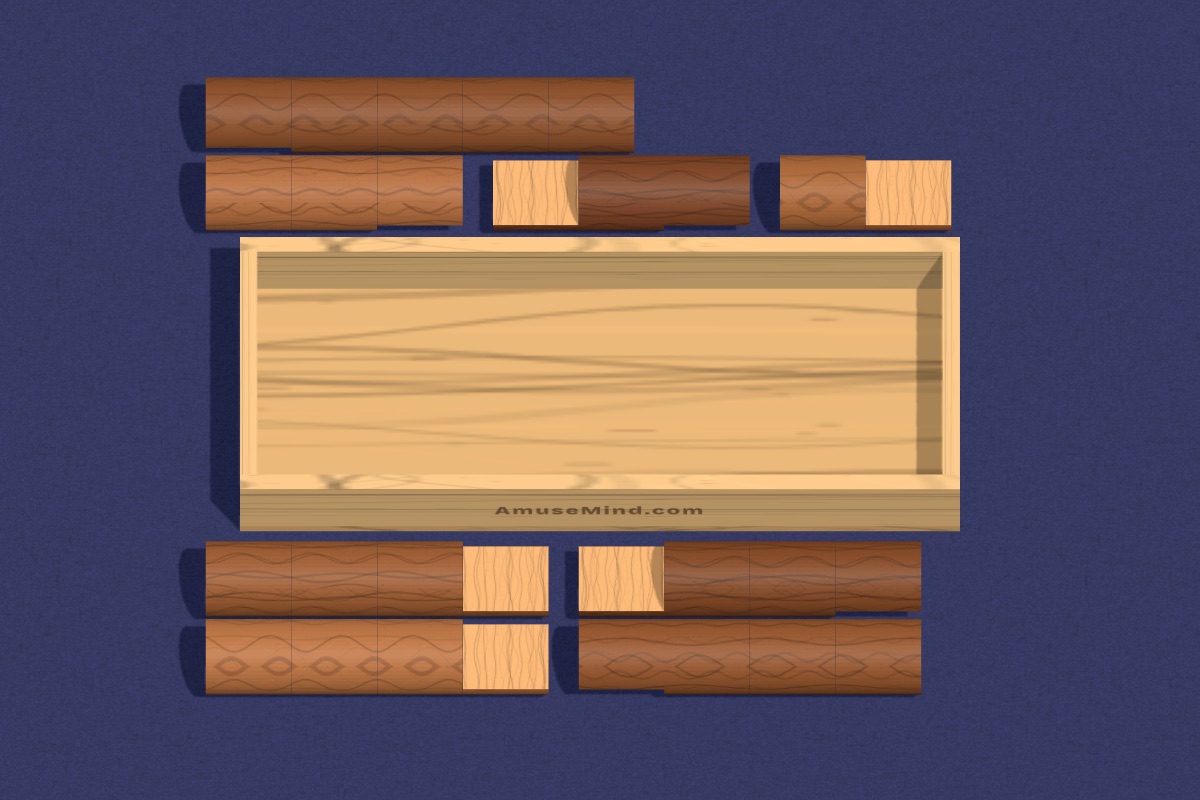
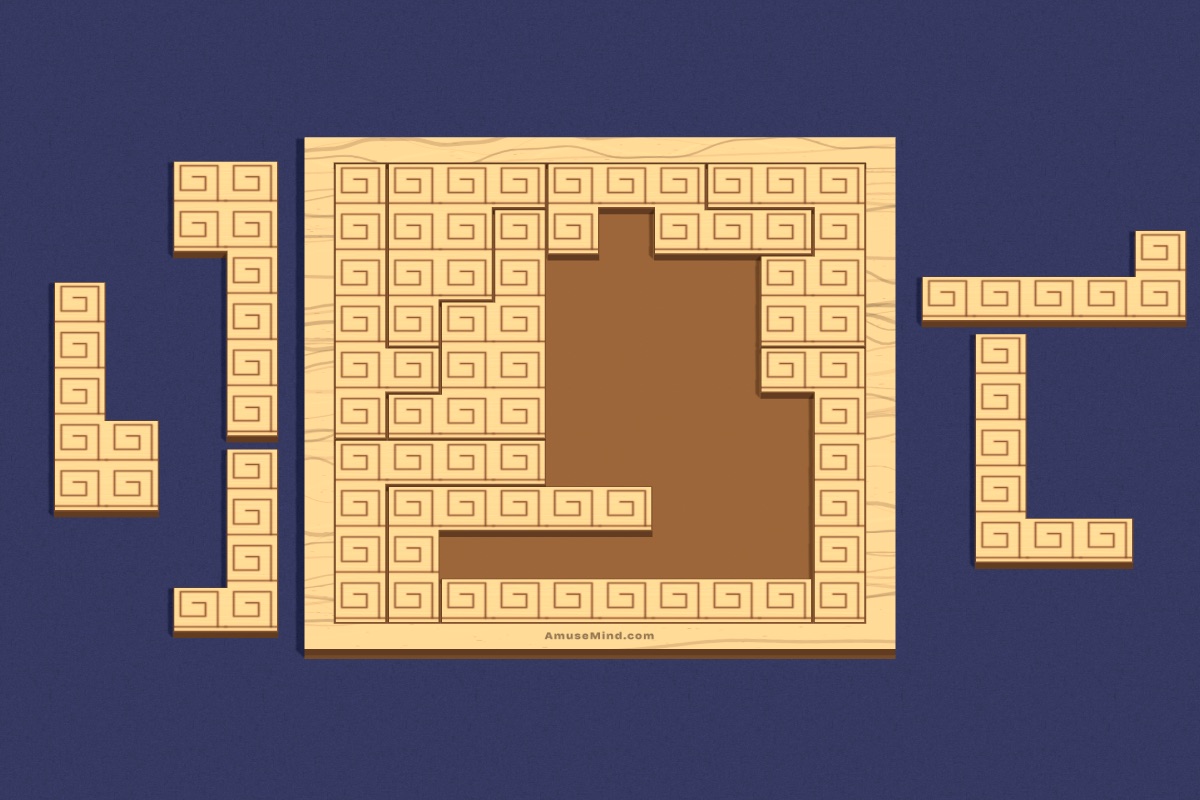
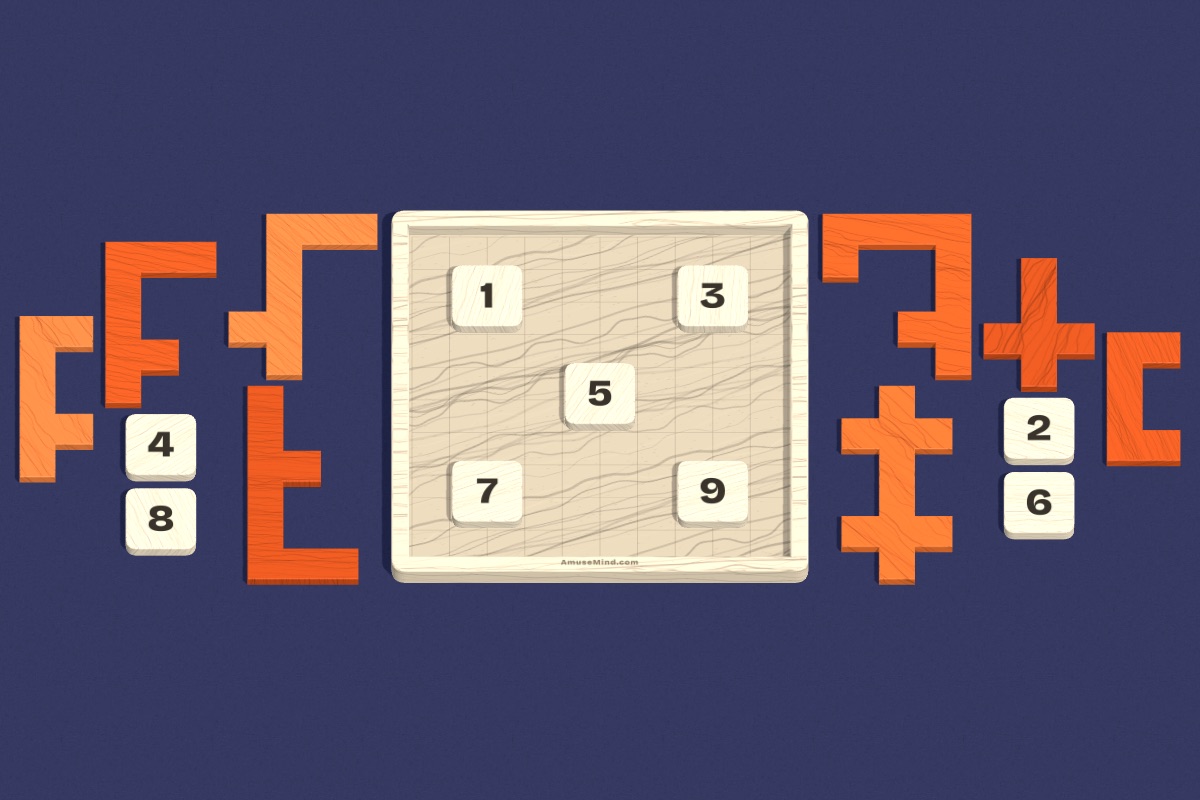
Some puzzles reward stepping back and looking at the whole. Hakoiri Musume, Japan’s sliding-block classic, needs children to make room before they need it. Eight Logs asks them to picture each log turned before they move it. Pattern Boards train careful looking inside a busy design.
These are good puzzles for children who rush. They quickly discover that a minute of looking saves five minutes of undoing.

Talk about how, not just whether
After a solved puzzle, ask your child how they did it. “What did you notice first?” “Was there a move you had to undo?” Children at this age can describe their strategy surprisingly well, and putting it into words makes it stick. It also mirrors what teachers ask for in written solutions: show how you got there.
If your child enjoys it, let them teach you a puzzle. Explaining the rules and a strategy to an adult is a real test of understanding, and children love being the expert.
Tips for parents
Keep sessions short, 10 to 15 minutes, and stop on a success where you can. When your child is stuck, ask “what do you know for sure?” before offering anything else. That question is useful in puzzles and in word problems alike.
Every AmuseMind puzzle is free to try in the browser with no ads. Family Pro adds a hint coach that asks a question first, then shows a glowing piece, and only then the exact spot, so children still do the thinking.
Questions parents ask
Do puzzles help with model drawing?
Not directly, but they practise related habits: understanding a problem before acting, breaking it into steps and checking your work. Model drawing itself is best learned at school.
Which level suits a P3 or P4 child?
Usually Intermediate or Pro. Each level shows a recommended age; start one level lower than you expect so the first puzzles are won.
How often should my child play?
A few short sessions a week is enough. Consistency matters more than length.
