Many Singapore families spend a lot of time and money on enrichment classes, and some of them are excellent. But a good share of what those classes aim for, like patience, careful thinking and the confidence to try again, can also grow at home in short, regular sessions. This guide sets out a simple routine you can run around school, CCAs and tuition, using puzzles your child actually enjoys.
What enrichment at home can and can’t do
Home enrichment works best for habits: thinking before acting, noticing patterns, sticking with something hard for ten minutes, and explaining an idea in your own words. These grow with frequent, light practice rather than long weekly lessons, which suits busy family evenings.
What it won’t do is replace a skilled teacher for a specific subject, or prepare a child for a particular exam. Think of it as a complement: classes and school build knowledge, and a home routine keeps the thinking muscles moving in between.
A routine that fits a school week
Aim for three or four short sessions a week, 10 to 15 minutes each. After dinner, before reading time, or on a quiet weekend morning all work. A clear start and finish matters more than the length: one puzzle, solved or set aside, then done.
Keep the choice with your child where you can. Offer two or three puzzles and let them pick. Children who choose their challenge tend to stay with it longer, and a puzzle they enjoy is a puzzle they will return to on their own.



Choose puzzles by habit, not by subject
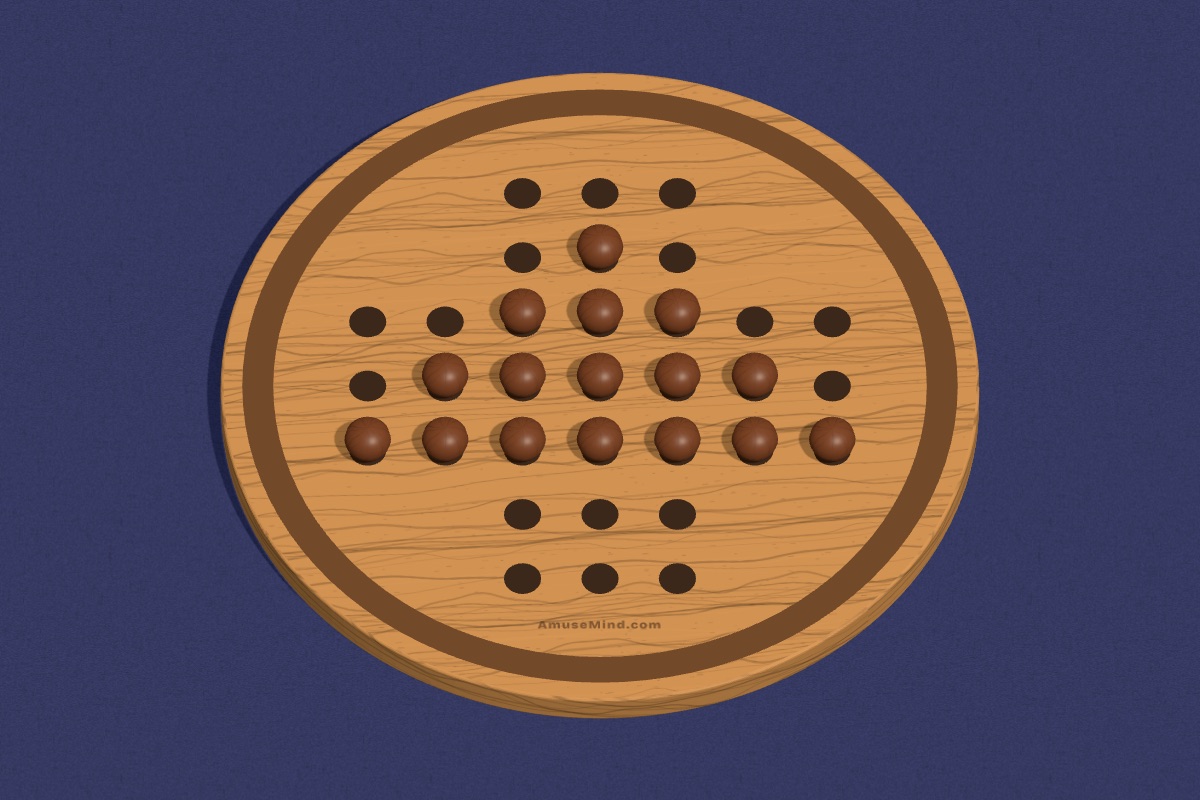
Rather than looking for “maths puzzles”, think about which habit you want to strengthen. For planning ahead, try Sokoban or Tower of Hanoi, where one hasty move can make a level impossible. For careful elimination, try Sudoku, Nonogram or Bridges, where every answer can be reasoned out without guessing.
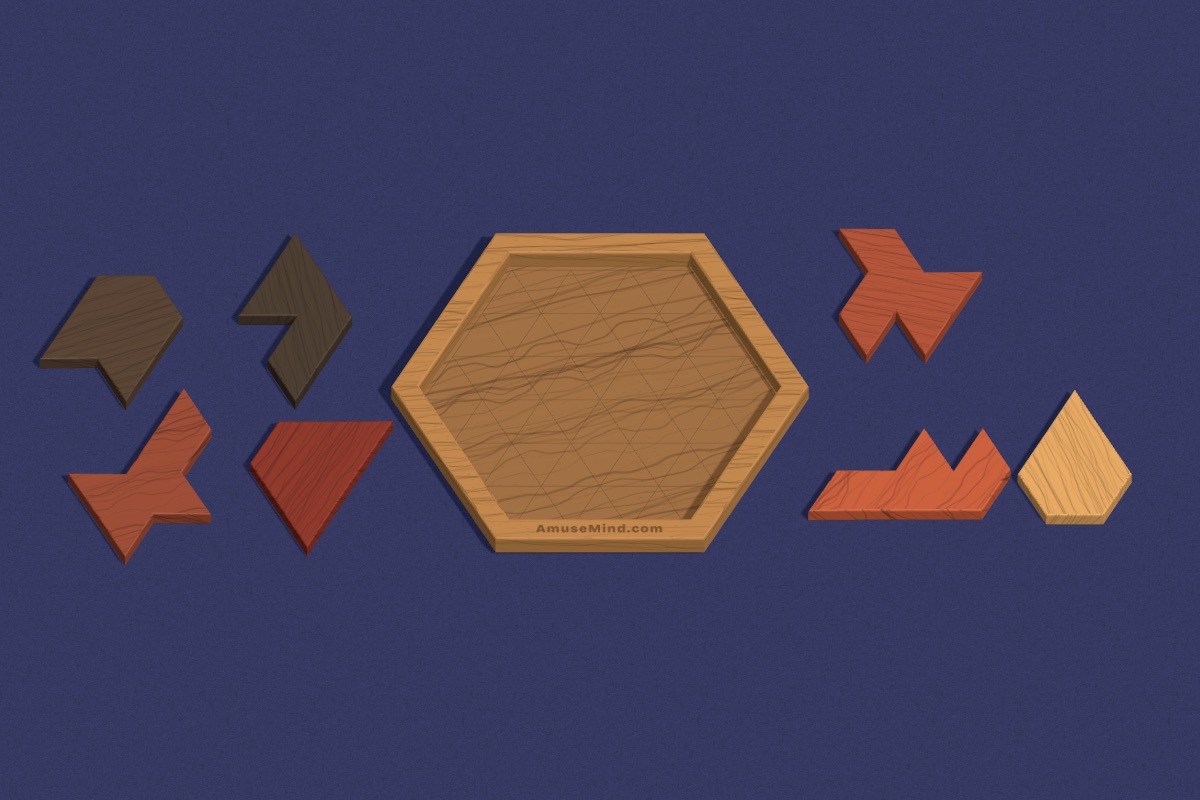
For seeing shapes and space, try Tangram, the wooden trays or Hidden Blocks. For persistence, almost any puzzle at the right level does the job: hard enough that the first try fails, easy enough that the third try works.




Your role: ask, don’t tell
The most useful thing a parent can do is ask good questions. “What are you trying to do with that piece?” “What happens if you move this one first?” “Which part is stuck?” These questions help a child organise their own thinking, which is the real goal of enrichment.
Resist solving it for them, even when it is tempting. If they are truly stuck, suggest an easier level or a break. Coming back to a puzzle the next day and solving it is one of the best confidence builders there is.
Keeping it fun and low pressure
Avoid turning puzzles into homework with targets and scores. Celebrate the clever move, not the time taken. If siblings play, let them help each other rather than compete; explaining a move to a younger sibling is excellent thinking practice.
Every AmuseMind puzzle is free to try in the browser, with no ads and no sign-up, so you can try different puzzles without committing to anything. Family Pro, at S$19.90 a month or S$12.90 a month billed yearly for up to two children, adds a hint coach that asks a question before showing anything, which supports exactly this “ask, don’t tell” approach.

Questions parents ask
Can puzzles replace enrichment classes?
Not entirely, and they don’t need to. A home puzzle routine practises thinking habits like planning and persistence. Classes can add a teacher, a group and specific skills. Many families find a short home routine works well alongside or instead of one class.
How much time should we spend?
Three or four sessions of 10 to 15 minutes a week is plenty. Regular short sessions do more than one long one.
What if my child gets frustrated?
Drop to an easier level, take a break, or ask a question about the part that is stuck. Frustration is a sign the level is a little too hard, not that puzzles are wrong for your child.
Is it free?
Yes. Every AmuseMind puzzle is free to try in the browser. Family Pro adds the hint coach, solutions and saved progress.