Spatial reasoning is the ability to picture shapes and spaces in your head: turning a piece before you move it, seeing how parts fit into a whole, or imagining a box from a flat net. It is a skill, not a fixed talent, and children get better at it with practice and play.
What spatial reasoning looks like
A child using spatial reasoning might notice that a piece needs turning before it fits, mentally rotate a letter that looks backwards, pack a bag so everything fits, or follow a map. Older children use it to read graphs, understand fractions as parts of a shape, and picture 3D objects in science and design.
Why it matters
Spatial skills are linked to later success in maths, science, engineering and design, and they support everyday things like reading maps and building. Unlike some skills, they respond well to practice: children who play with blocks, puzzles and building toys tend to develop them more.
Spatial reasoning also tends to be practised less than reading and arithmetic, so a little regular play can go a long way.
Everyday ways to build it
Build with blocks and talk about what you’re doing: above, below, turned, behind. Do jigsaws and tangrams together. Fold paper and guess the shape before you unfold it. Ask children to give directions on a walk, or to draw a map of their room. Pack the shopping into the bag together.
How to talk about space while you play
The words children hear matter. Using spatial language, like turn, flip, beside, inside, corner, edge, bigger and smaller, helps children notice and describe what they see. While playing a tray or tangram puzzle, try asking “Would it fit if you turned it?” or “Which edge matches this one?” rather than pointing to the answer.
Gesture helps too. Showing a turn with your hand is often clearer than saying it, and children copy the gesture when they explain their own thinking. Over time, they start using these words and moves on their own, which is a good sign the skill is growing.
Spatial puzzles for ages 4 to 6
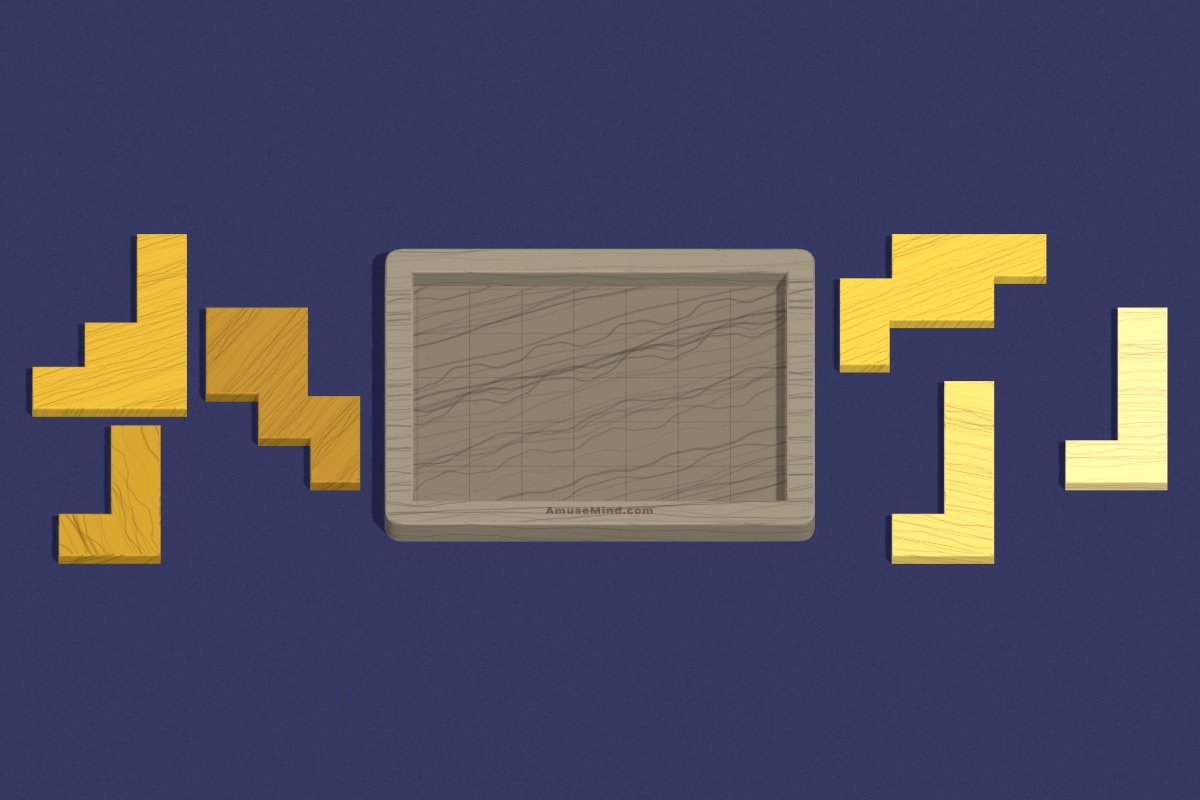
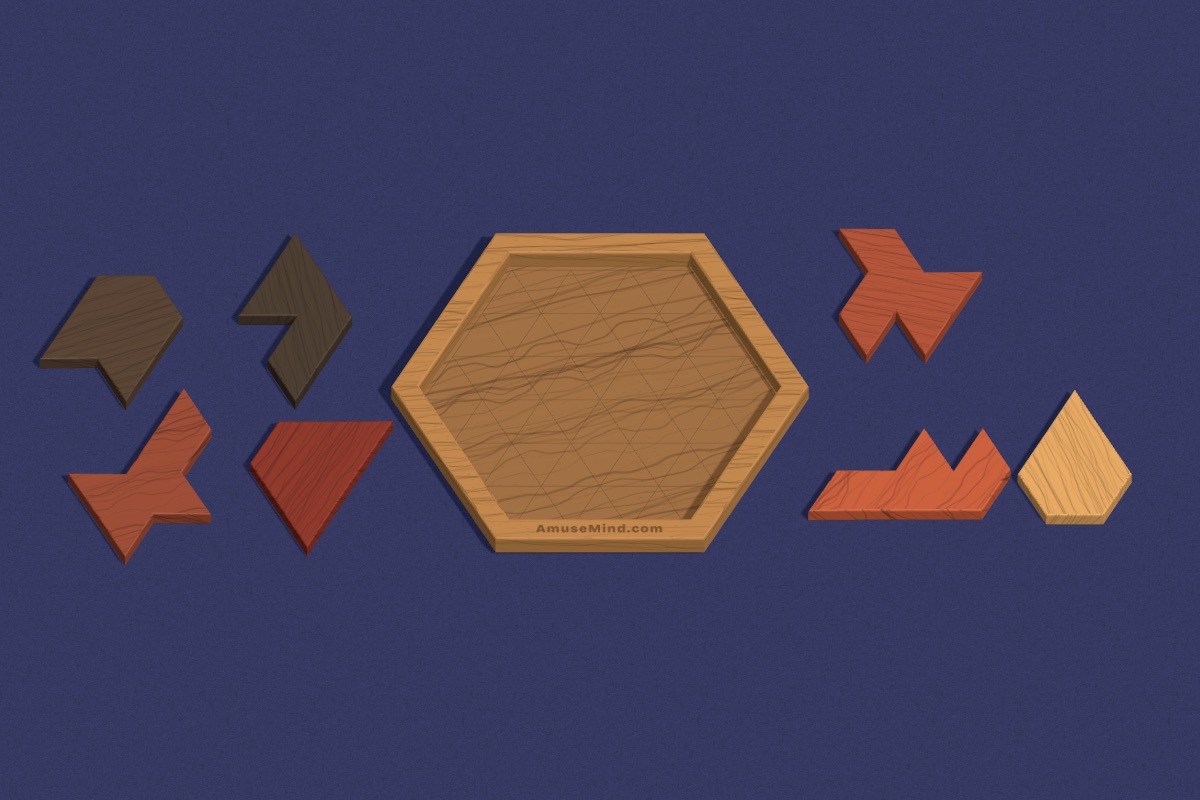
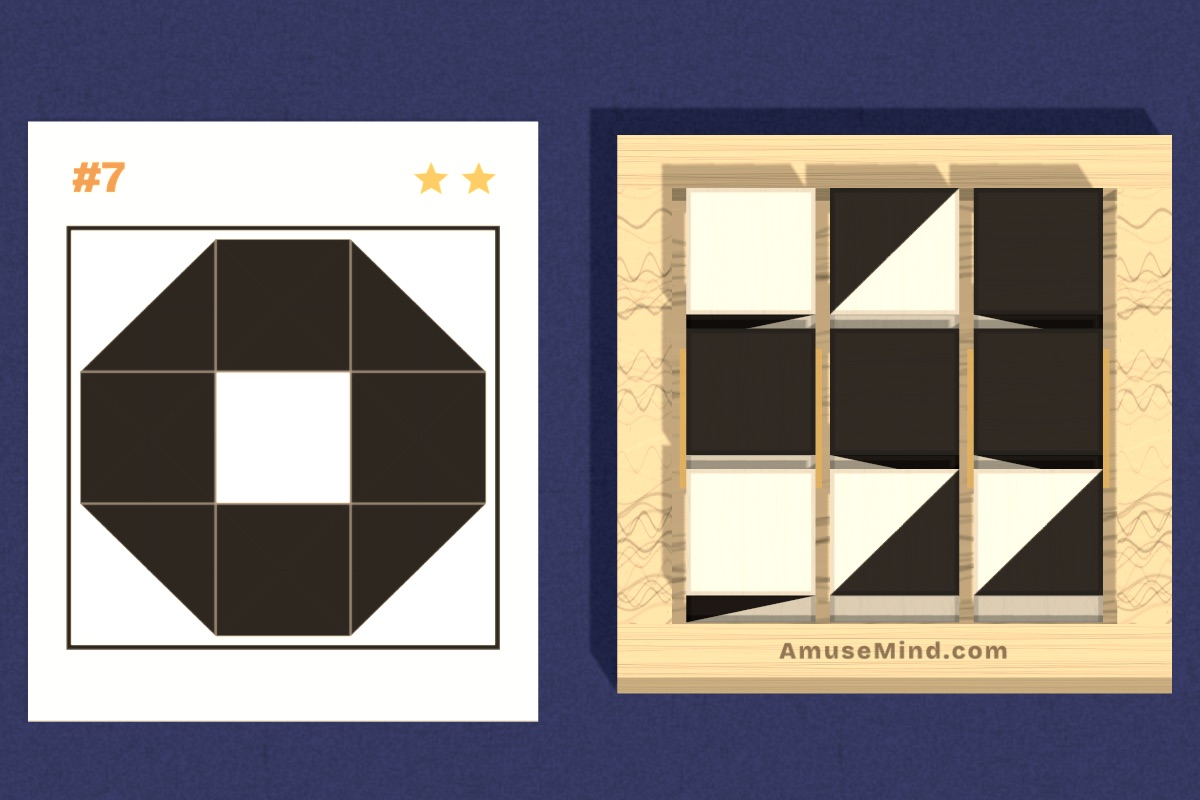
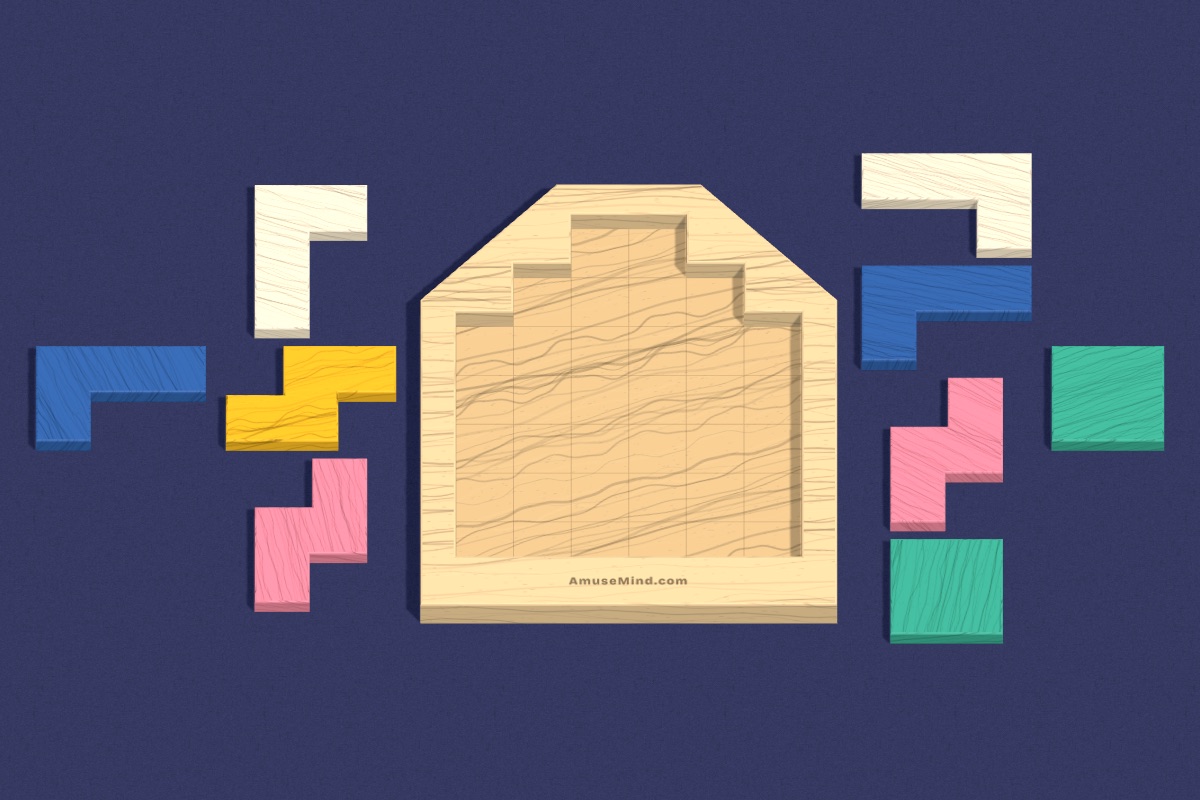
Shape Match starts at 4: match knobs to their holes. Rectangle Tray and Hexwood are fill-the-tray puzzles with chunky pieces. Tangram on Beginner shows piece outlines, so younger children can match before they learn to see shapes unaided. Hidden Blocks asks children to copy a black-and-white design with blocks, a classic spatial task.


Spatial puzzles for ages 7 to 10
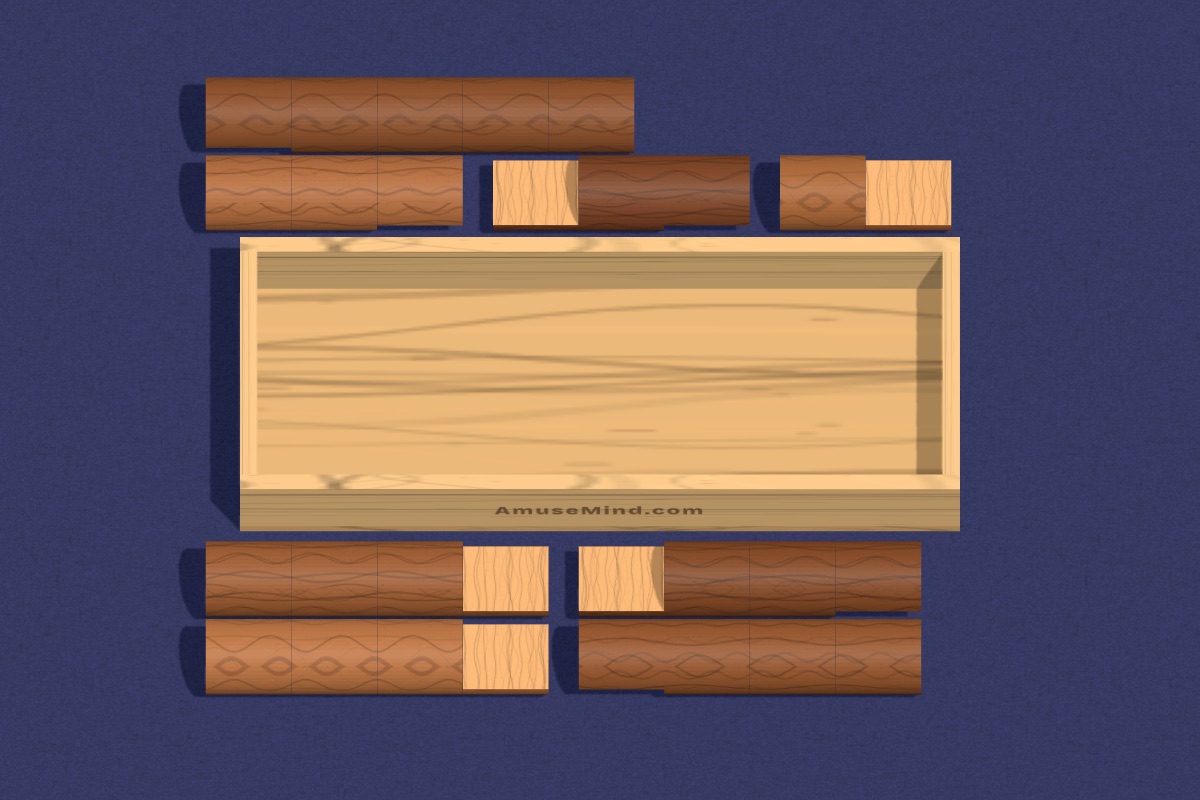
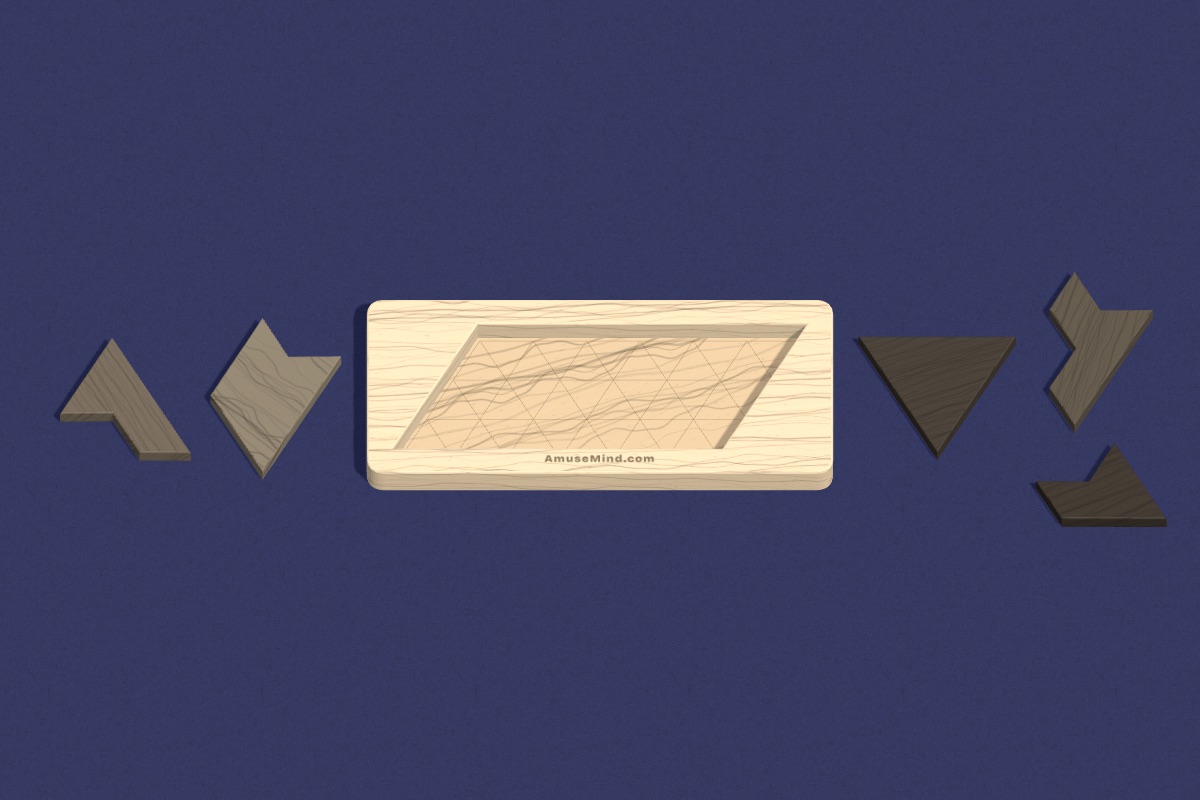
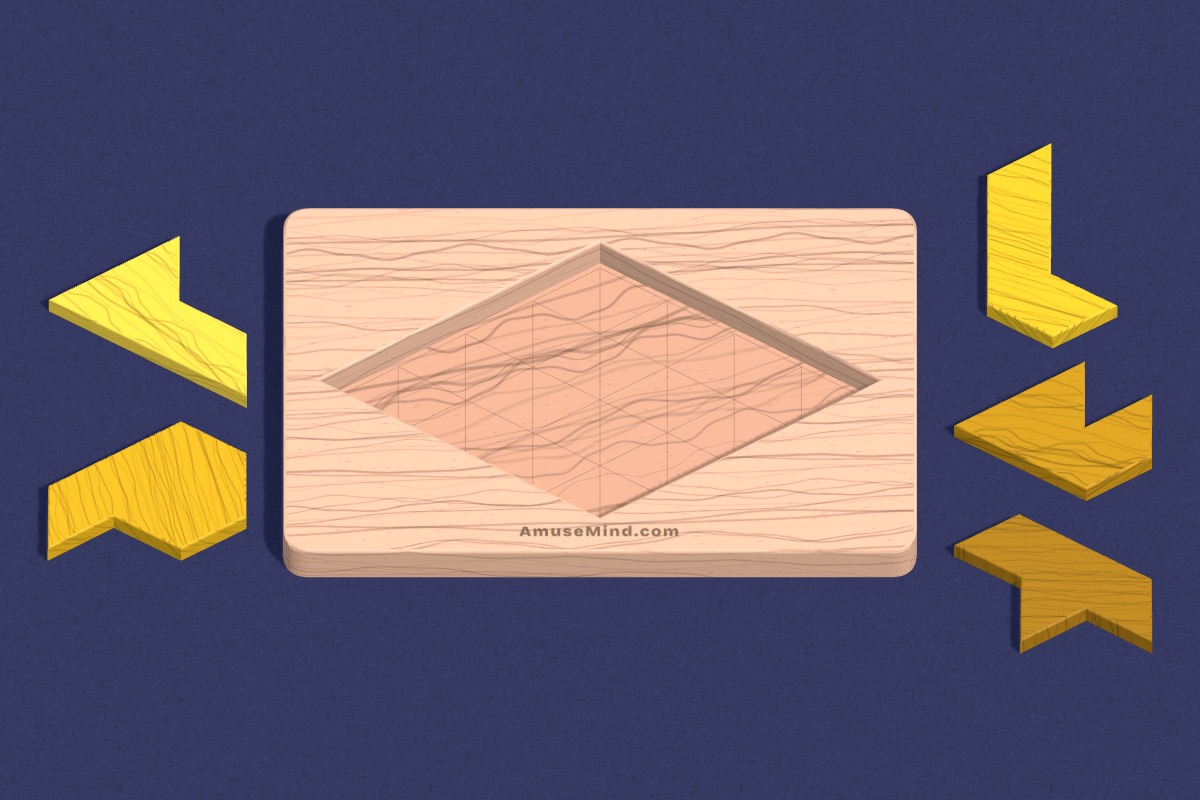
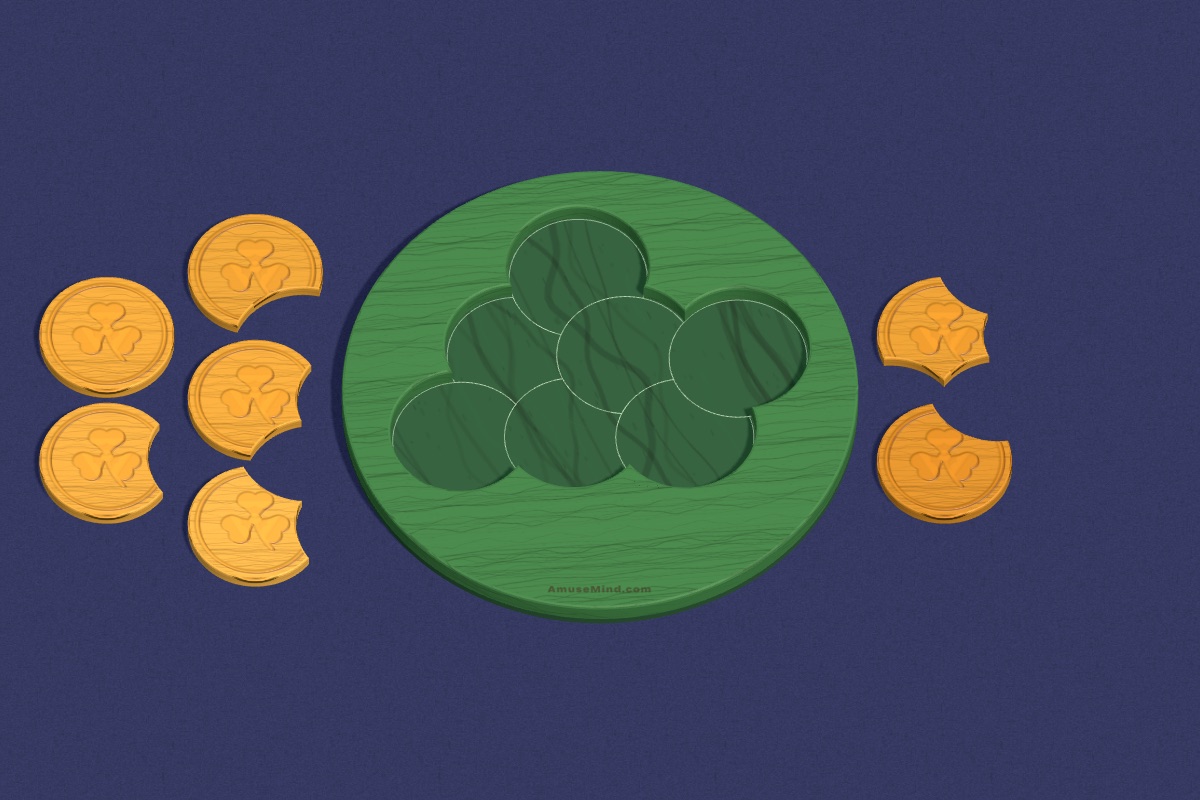
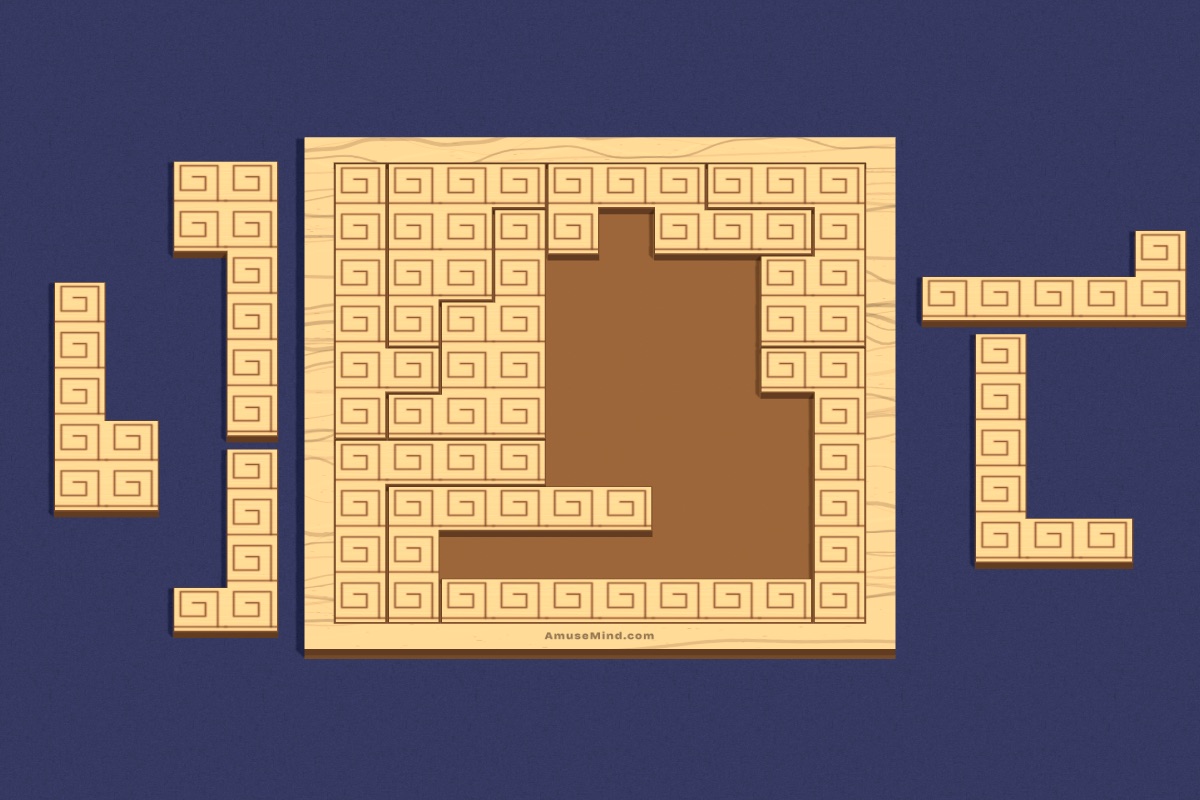
Eight Logs asks children to roll and turn logs in their head. Parallelogram and Diamond Trays add flipping. Lucky Coins is about curves and nesting. Pattern Boards and Block House are packing puzzles where the right piece in the right turn makes everything fit.
Spatial puzzles for ages 11 to 14
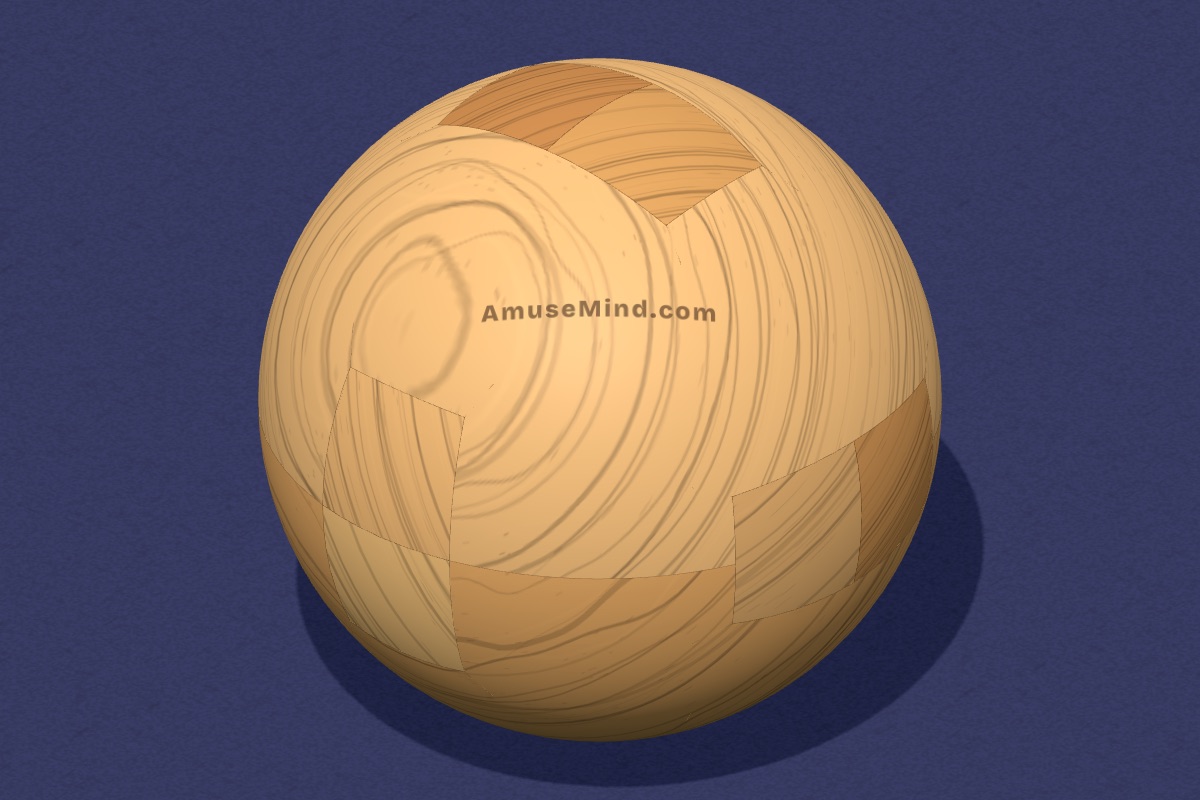
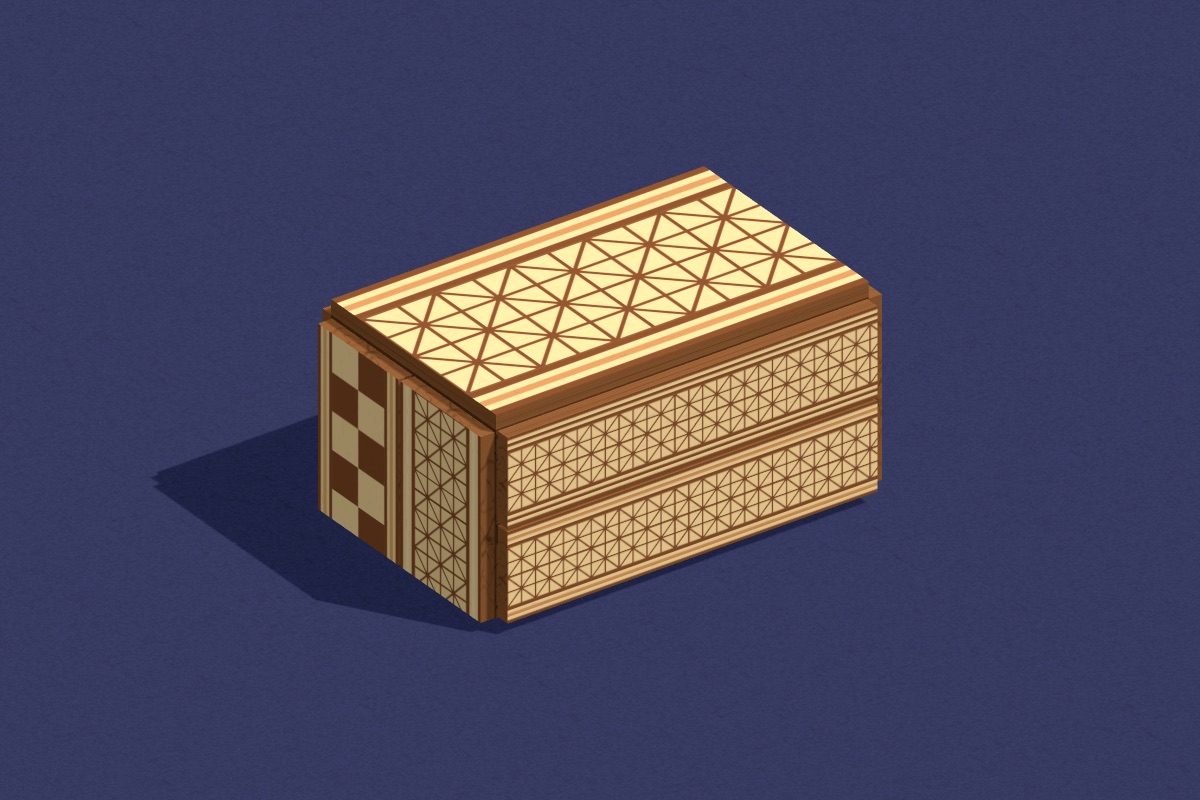
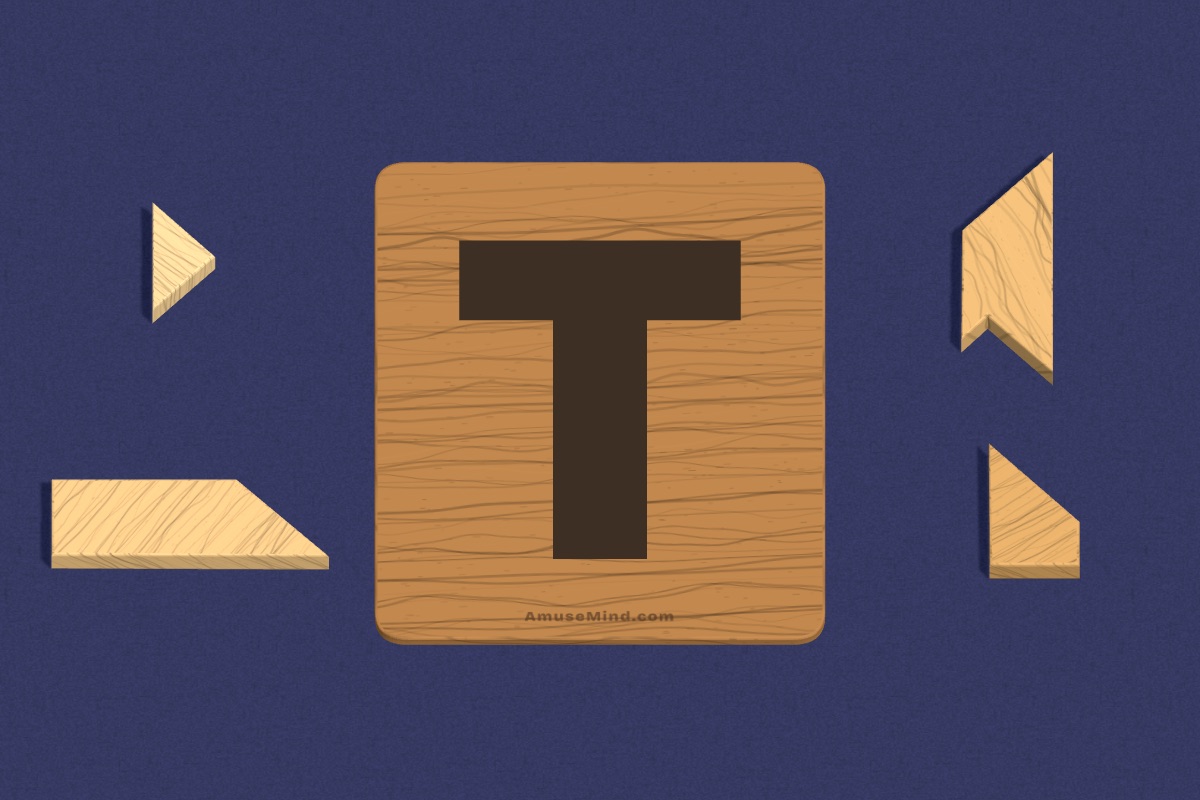
Luban Lock is a 3D interlocking puzzle that comes apart only in the right order. Puzzle Box hides its opening behind sliding panels on every side. The T Puzzle and Tangram at Demon level have no outlines and need pieces flipped.
Questions parents ask
What is spatial reasoning in simple words?
It’s picturing shapes and spaces in your head: how a piece looks turned, how parts fit together, or where things are in relation to each other.
Can spatial reasoning be improved?
Yes. It is a skill that improves with practice, and play with puzzles, blocks and building is one of the easiest ways to practise it.
At what age should children start spatial puzzles?
Very young children benefit from blocks and simple shape sorters. AmuseMind’s Shape Match starts at 4, and Hexwood, Tangram and Rectangle Tray at 5.
