Most parents aren’t trying to ban screens; they’re trying to make the time count. Not all screen time is the same. A puzzle that makes a child think, ends cleanly, and doesn’t try to sell them anything is a very different thing from an endless feed. Here’s a practical way to tell them apart.
What to look for
Thinking, not tapping. Good puzzles ask children to plan, notice and try again, not just react quickly. A clear finish. Puzzles that end give children a natural place to stop, and a sense of having done something. Fair challenge. The best puzzles start easy and get harder as the child does, so they’re neither bored nor overwhelmed.
Room for you. Puzzles you can sit beside and talk about (“How did you work that out?”) turn screen time into shared time.
What to avoid
Ads, especially ones that link out of the puzzle. Endless feeds and autoplay. Streaks, daily rewards and nagging notifications designed to bring children back. In-app purchases that make progress depend on spending. Chat with strangers.
None of these make a puzzle educational, and most exist to increase time spent rather than to help children learn.
How AmuseMind is built
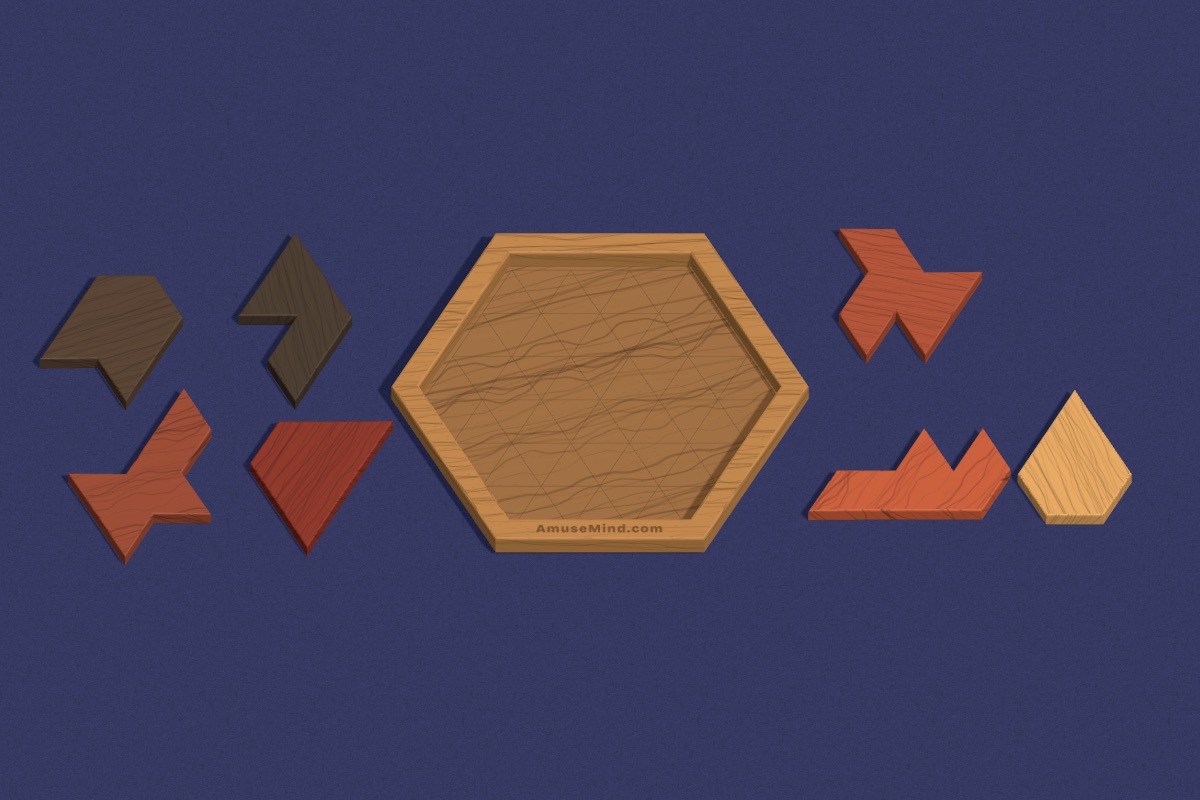
We built AmuseMind around these ideas. Every puzzle is free to try in the browser with no sign-up, no ads and no tracking, and children never have accounts or chat. Most puzzles take 5 to 15 minutes and end with a clear finish. There are no streaks or nagging timers.
Each puzzle has five levels with a recommended age, so children can grow into it. When they’re stuck, the optional hint coach in Family Pro asks a question first, then highlights a piece, and only then shows where it goes, so the thinking stays theirs.



A quick checklist before you download anything
Before choosing a new puzzle or app, it’s worth spending two minutes checking a few things. Does it show ads, and can those ads link out? Does it ask a child to make an account or give a name? Can children chat with people they don’t know? Are there purchases inside the puzzle? Does it nag with notifications or reward daily streaks? Does a single session have a natural end?
A puzzle that passes all of these isn’t automatically educational, but it respects your child’s attention, and that’s a good start. Then the question is simply whether it makes them think.
Balance still matters
Even the best puzzle is one part of a good day, alongside outdoor play, reading, sleep and time with people. Puzzles on paper and wooden puzzles on the table build the same skills. Screens can be a helpful part of the mix, not the whole of it.
Questions parents ask
What counts as educational screen time?
Time spent on something that makes a child think, create or learn, ideally with a clear finish and no ads. Puzzles that build reasoning are a good example.
Are free puzzles safe for kids?
Many free puzzles rely on ads or tracking. Check for those before letting children play. AmuseMind is free with no ads, no tracking and no accounts for children.
How much screen time is OK for my child?
It depends on age and family; follow your local health guidance. Choosing short, thoughtful activities with a clear end makes any limit easier to keep.
