Advanced learners need work that is genuinely hard, not just more of the same. Logic and spatial puzzles are a good fit for enrichment and GATE classrooms: they scale to adult difficulty, reward explanation, and invite students to design their own challenges.
Start where it’s hard
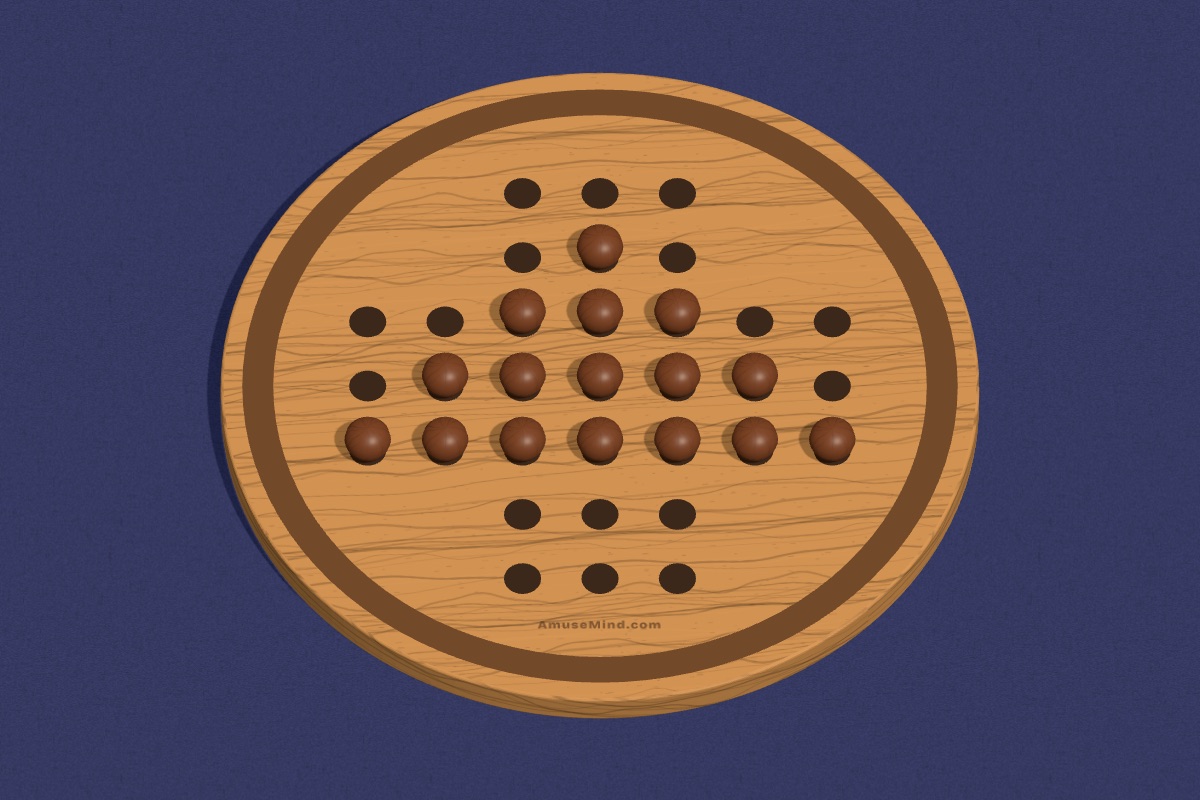
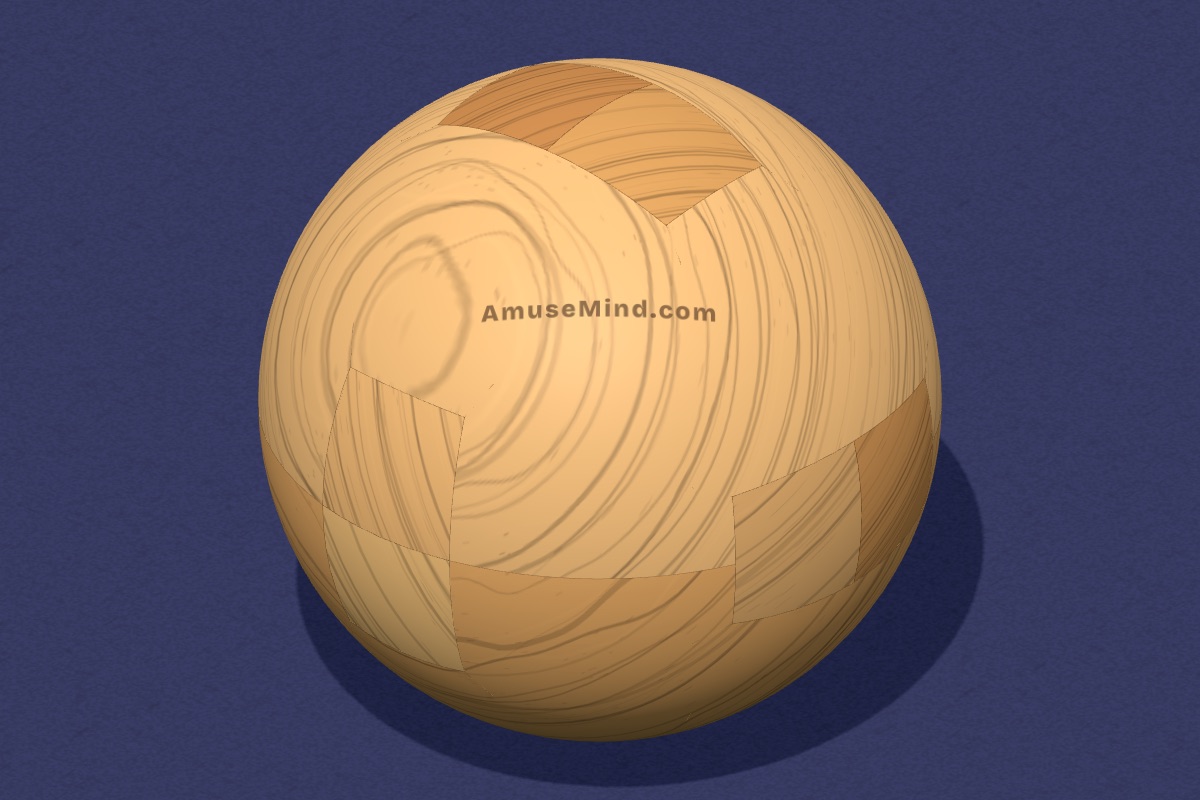
Skip the easy levels. Every AmuseMind puzzle has Hacker and Demon levels that challenge strong adults. Sokoban Demon, Hakoiri Musume Demon (including the classic sliding-block layout), Peg Solitaire on the full 33-hole board and the Luban Lock magic ball are good places to begin. Let students choose, then move up or down a level as needed.


Extension questions
Solving is the start; explaining is the stretch. Tower of Hanoi: find the fewest moves for n rings and prove it. Peg Solitaire: why can some starting patterns finish with one peg in the center? Number Slide: can every scrambled board be solved? (Not every arrangement can; it depends on a parity property.) Sudoku: name and explain the technique behind each step.



Design a puzzle
Creating puzzles is a powerful extension. Ask students to design a nonogram that can be solved without guessing, a tangram figure that can be made two ways, or a small Sokoban level with exactly one solution. Then swap with a classmate. Testing whether a puzzle has a unique solution is real mathematical thinking.
Students can also keep a puzzle journal that records the puzzles they designed, who solved them and what they would change. Over a semester, the journal becomes a record of growing sophistication that is useful for portfolios and conferences with families.



Productive struggle
Many advanced students are used to fast success and can find a truly hard puzzle uncomfortable. Talk about productive struggle openly: being stuck is part of the work. Model it by solving a hard puzzle in front of the class, out loud, including your wrong turns. Use Undo freely and normalize restarting.
Structuring sessions
A useful pattern: 5 minutes to set a goal, 15 minutes of solving, 10 minutes for students to present one strategy or proof. Keep a class wall of “techniques we discovered”. Every puzzle is free in the browser with no student accounts, which makes pull-out sessions and cluster groups easy to run.
A note on testing: these puzzles are enrichment, not preparation for gifted identification tests, and we don’t claim they affect test results.
Mixed-ability and cluster groups
Not every gifted program has its own room. In a cluster or mixed-ability class, puzzles are an easy way to offer depth without separate materials. The whole class can work on the same puzzle, with advanced students on Hacker or Demon and others on Beginner or Intermediate.
This avoids singling students out while still giving them real challenge. Group discussions work across levels too: a student on Beginner and a student on Demon can both explain a strategy, and often the same idea, such as working backwards from the goal, helps at every level.
Advanced students can also act as puzzle designers for the class, creating a weekly challenge that others try.
Questions teachers ask
How do I keep advanced students from rushing?
Ask for an explanation before the next puzzle: a written strategy, a proof of the fewest moves, or a puzzle they designed. Explaining slows students down in a productive way and deepens the challenge.
Are these puzzles hard enough for advanced students?
Yes. The Demon levels are designed to challenge adults, and extension questions push students to explain and prove their methods.
Can puzzles prepare students for gifted testing?
We don’t present them that way. They are an enrichment activity for thinking and persistence, not test preparation.
Do students need accounts?
No. Puzzles play in the browser with no accounts, sign-up or ads.
