Summer break is long, and most families want two things at once: a real rest from school, and some way to keep young minds busy. Puzzles sit neatly in the middle. A few short puzzles a day keeps reasoning and focus ticking over without turning July into extra homework.
Does the “summer slide” matter?
You will hear a lot about the summer slide, the idea that children lose ground over the break. The research on how big that effect is has been debated, and it seems to vary a lot from child to child. What most teachers agree on is simpler: skills that aren’t used for ten weeks can get rusty, and a little light practice makes the first weeks of fall easier.
So the goal isn’t to cram. It’s to keep thinking habits warm: noticing patterns, planning a few steps ahead, and sticking with something tricky for a few minutes.
A simple weekly rhythm
Pick a regular slot, such as after breakfast or before screen time is open for everything else, and aim for two or three puzzles. Most AmuseMind puzzles take 5 to 15 minutes and end with a clear finish, so it’s easy to stop on a win.
Try a theme for each day. Monday is shapes (fill a tray, make a tangram picture). Tuesday is numbers (sudoku, number slide). Wednesday is planning (Tower of Hanoi, Sokoban). Thursday is pictures (nonograms, Hidden Blocks). Friday is the child’s choice. Variety keeps it fresh, and children soon find a favorite they ask for on their own.
Good picks for younger kids (5 to 7)
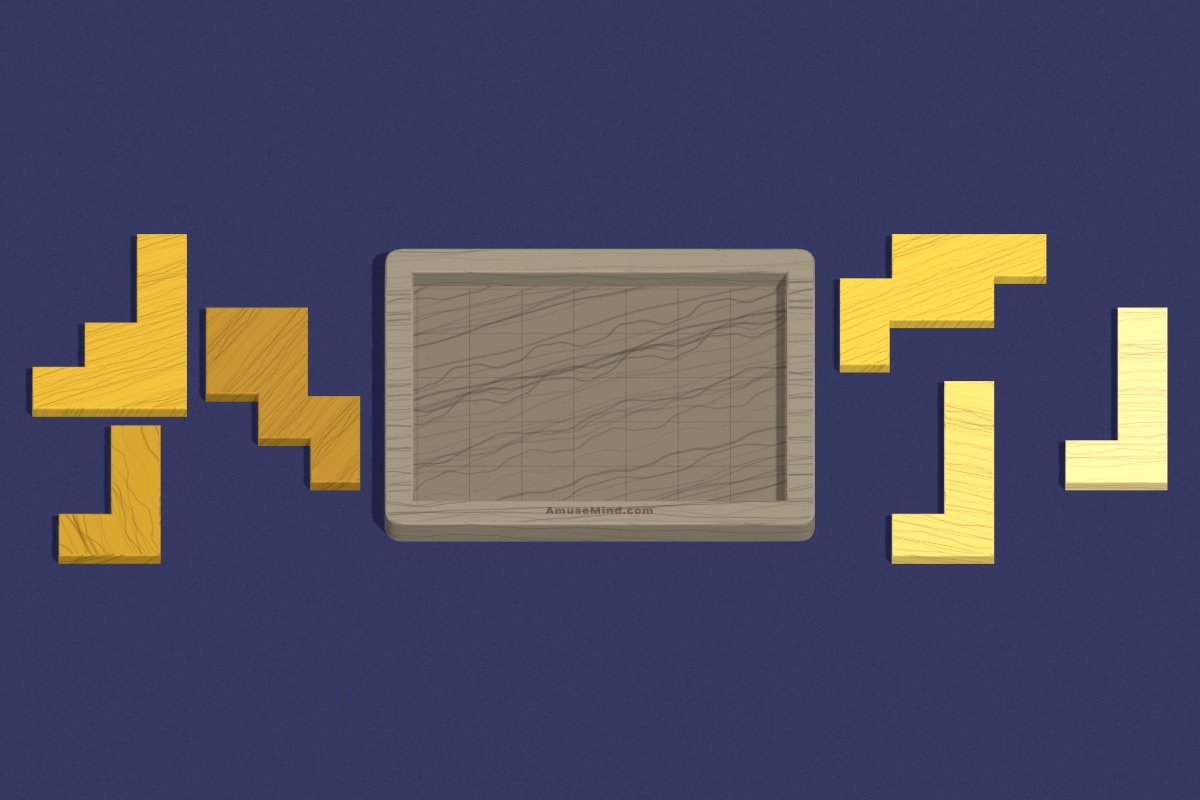
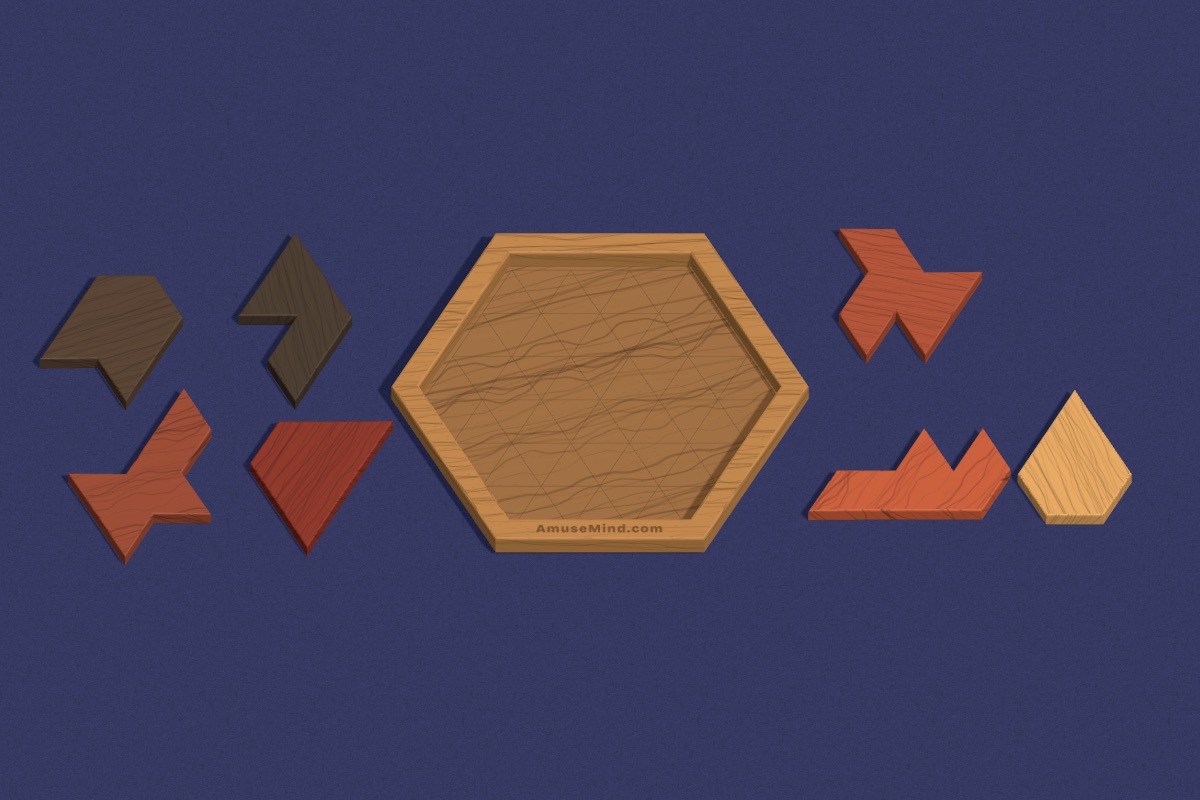
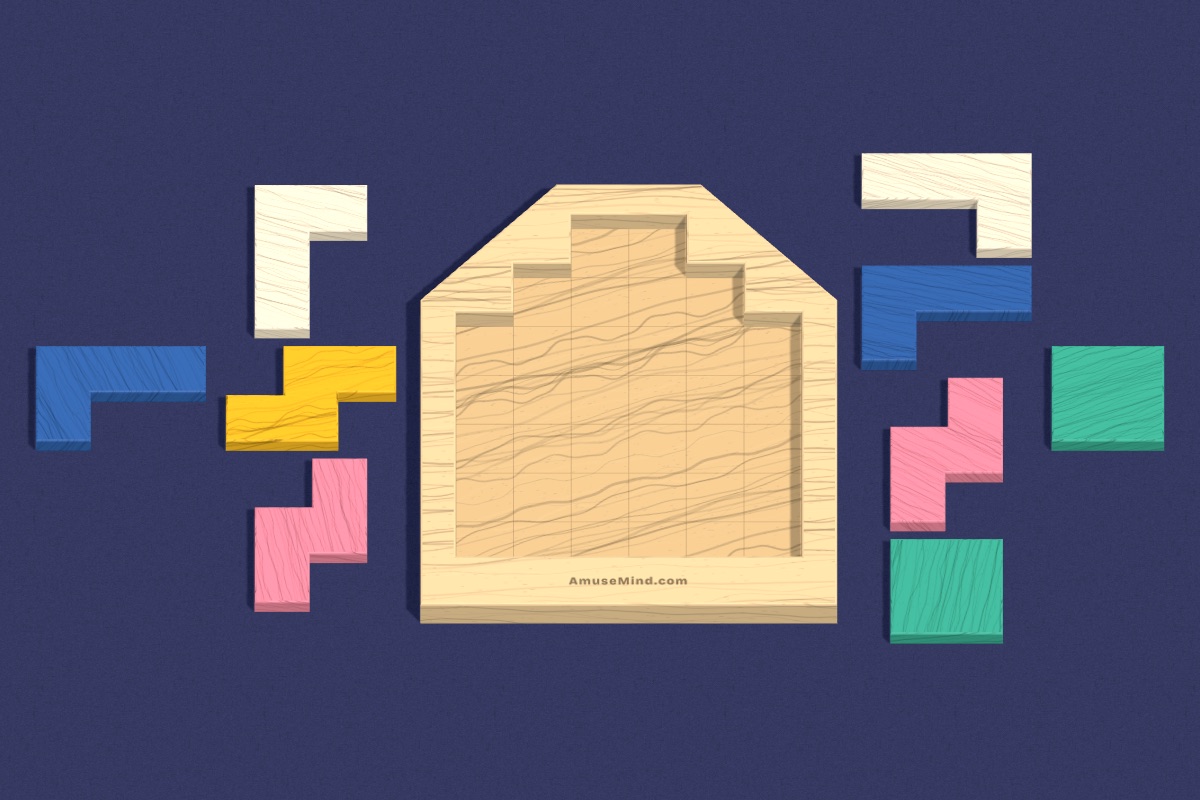
Start on Beginner. Shape Match, Rectangle Tray and Hexwood are calm, satisfying “fill it up” puzzles. Tangram on Beginner shows each piece’s outline, so a kindergartner can succeed by matching shapes. Block House lets kids pack colorful blocks into a house, which many young children find oddly relaxing.


Good picks for older kids (8 to 12)
Older kids like a challenge with a score to beat. Tower of Hanoi shows the fewest possible moves, so there’s always a “perfect” to chase. Sokoban rewards thinking before every push. Sudoku moves from 4 by 4 up to full 9 by 9 grids, and Nonogram turns logic into a hidden picture. Hakoiri Musume, the classic sliding-block puzzle known in the West as Klotski, is a great “one more try” summer puzzle.





Keeping it light
Let your child choose the puzzle and the level. If a puzzle causes tears, drop a level; if it’s done in under a minute, go up one. Praise the trying (“you tested three ways before it worked”) more than the finish. And when the sun is out, go outside: a puzzle a day is plenty.
Puzzles also travel well. Many work on a phone or tablet in the car or at a grandparent’s house, with no sign-up needed.
Make it social
Summer is a good time to play side by side. Race a sibling on the same Sudoku level, or take turns on one Tower of Hanoi, each making a move. Talking through moves out loud (“if I push this crate there, it’s stuck”) is some of the best thinking practice there is.


Questions parents ask
How much time should kids spend on brain puzzles in summer?
Short and regular beats long and rare. Two or three puzzles a day, around 10 to 30 minutes in total, is a comfortable amount for most children.
Will puzzles stop my child falling behind?
No puzzle can promise that. Puzzles keep thinking habits like planning, focus and persistence in use, which can make the return to school feel smoother, alongside reading and other summer activities.
Are AmuseMind puzzles free over the summer?
Yes. Every puzzle is free to try in the browser all year, with no sign-up and no ads. Family Pro adds the hint coach, solutions and progress notes.