Many homeschooling families want a logic or critical thinking strand but don’t want another workbook. Puzzles are an easy fit: short, self-checking, and naturally leveled. With a little structure, a few puzzles a week can become a real part of your learning plan.
Why puzzles work well at home
A good puzzle gives instant, honest feedback: the piece fits or it doesn’t, the crate is stuck or it isn’t. That frees you from being the marker and lets you be the coach. It also means a child can work independently while you teach a sibling, then come back to talk about what they found.
Puzzles cover several kinds of thinking: spatial reasoning (tangrams, trays), deduction (sudoku, nonograms, bridges), and planning (Tower of Hanoi, Sokoban, sliding blocks). Rotating between them gives a broad logic strand without buying separate programs.
A sample week
Two or three short sessions a week are enough. One idea: Monday is a spatial puzzle, Wednesday a number-logic puzzle, Friday a planning puzzle followed by a short conversation or journal entry.
For the journal, ask one question: “What did you try first? What made you change your plan?” Older children can write a few sentences; younger ones can tell you while you jot it down. This turns a puzzle into reflection, which is where critical thinking really grows.
Spatial reasoning
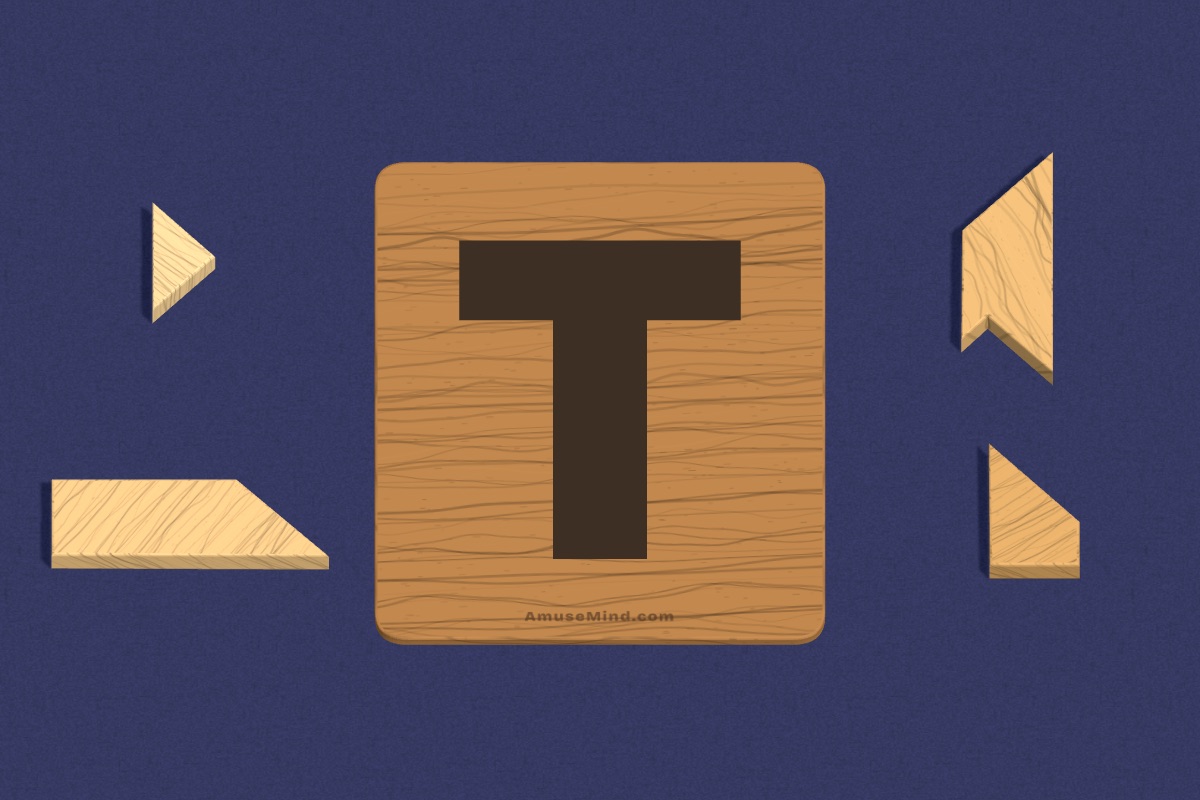
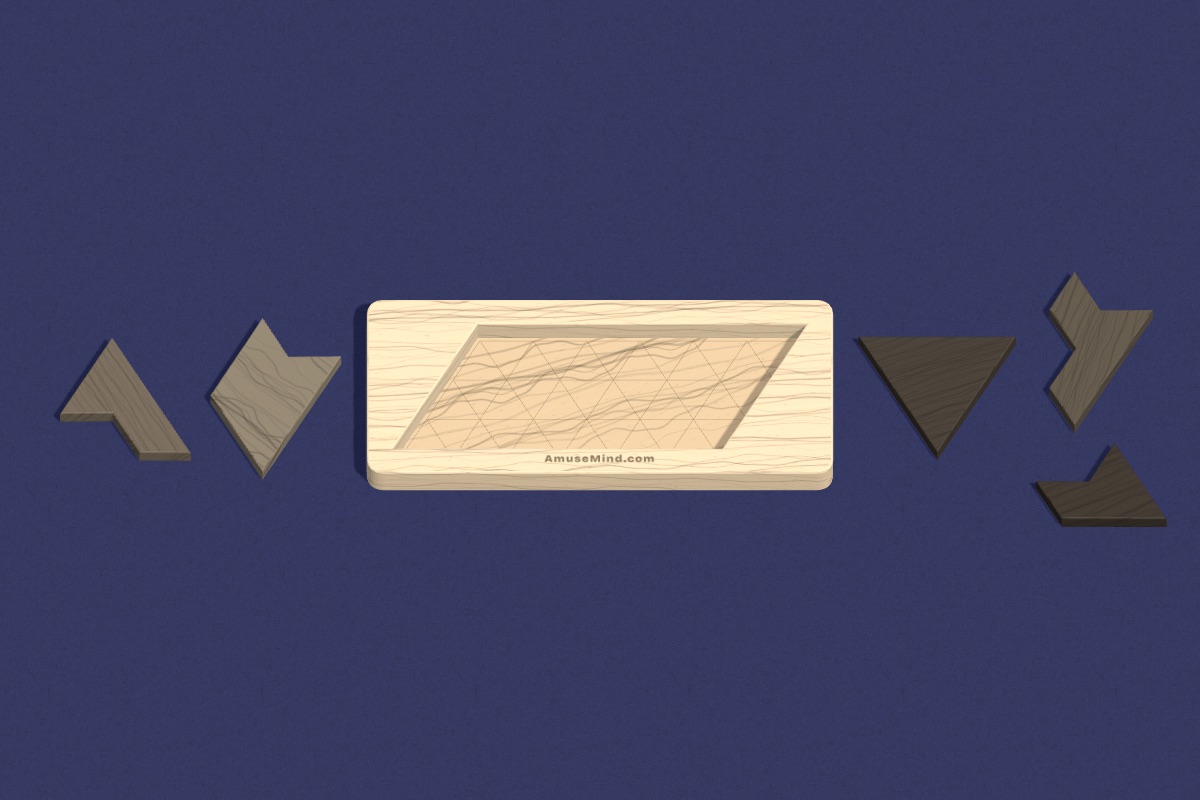
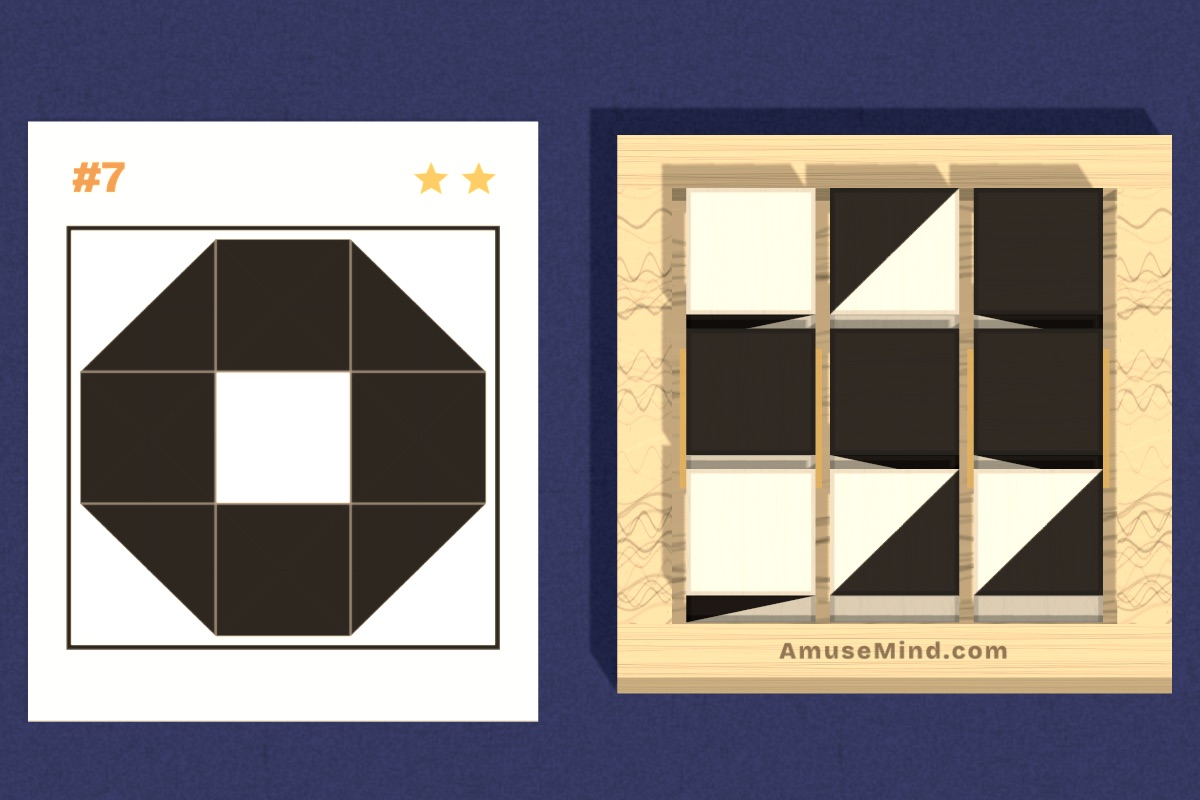
Tangram, the T Puzzle and the tray puzzles ask children to picture shapes turned and flipped. Hidden Blocks is a block-design puzzle: copy a black-and-white card using cubes with patterned faces. Luban Lock adds 3D, taking an interlocking wooden puzzle apart piece by piece.


Deduction
Sudoku, Nonogram and Bridges are pure logic: every puzzle can be solved by reasoning, without guessing. They are ideal for teaching “how do you know?” Ask your child to point to the square they are sure about and explain why.



Planning and strategy
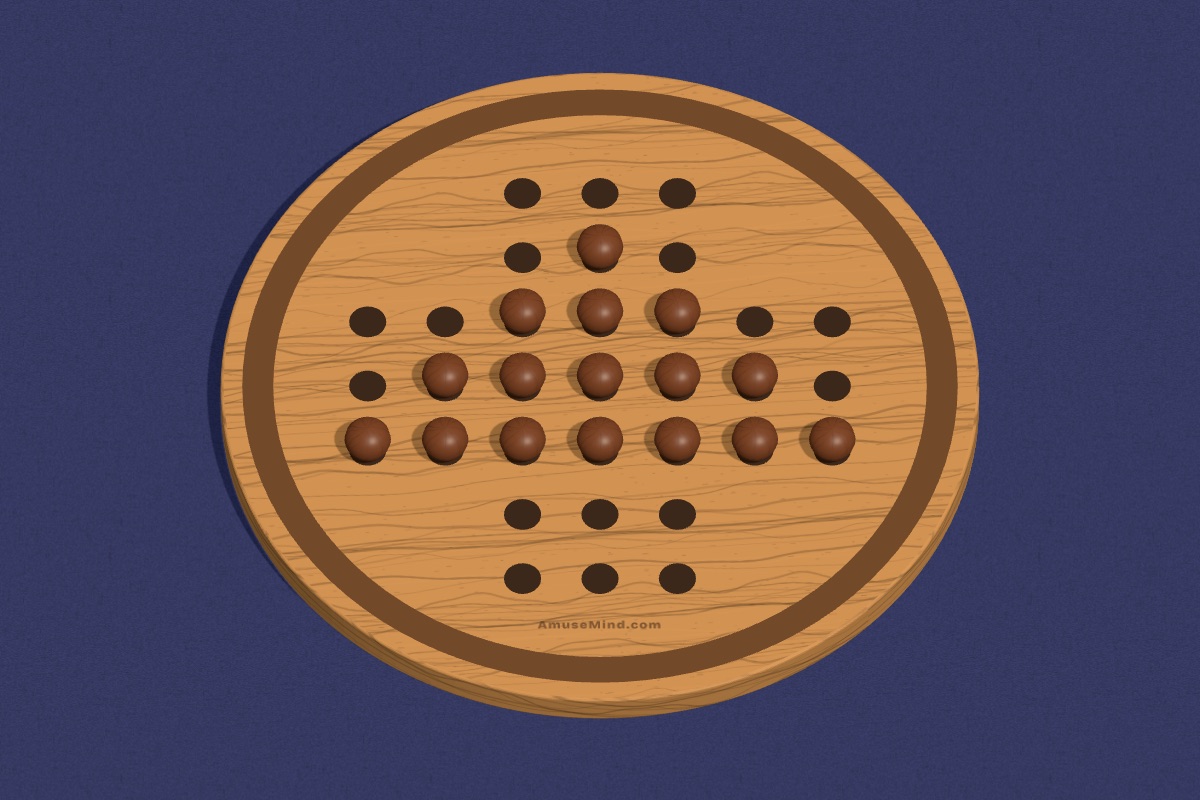
Tower of Hanoi, Sokoban, Peg Solitaire and Hakoiri Musume reward thinking several moves ahead. Tower of Hanoi is especially good for older children: once they can do three and four rings, challenge them to describe a method that works for any number. That is real mathematical reasoning about patterns.



Teaching several ages at once
Because every puzzle has five levels with a recommended age, siblings can play the same puzzle side by side at different levels. A six year old on Beginner Sudoku and a ten year old on Pro can compare strategies, which is often more fun for both than separate activities.
Keep records simple. Note the puzzle and level each week; moving up a level is visible progress you can show in a portfolio.
Connecting puzzles to other subjects
Puzzles connect naturally to the rest of a homeschool week. Tangram and the tray puzzles link to geometry: area, angles, and how shapes combine. Tower of Hanoi links to patterns and early algebra. Nonograms connect to coordinates and grids. Sokoban and Puzzle Box are good starting points for a writing prompt: “Explain how to solve this level to someone who has never seen it.”
History fits in too. Many of these puzzles have stories: the Tower of Hanoi was published in France in the 1880s, Sokoban was created in Japan in the early 1980s, and tangrams have been popular for around two centuries. A short look at where a puzzle comes from makes a nice cross-curricular extra.
Questions parents ask
Can puzzles count as a homeschool logic curriculum?
They can form a strong logic strand, especially with regular reflection. Whether they meet your state’s requirements depends on your state’s rules, so check those for record-keeping needs.
How do I show progress?
Track the level your child plays and add short notes or journal entries about their strategies. Moving from Beginner to Pro on a puzzle over months is clear evidence of growth.
Is there a cost?
Every AmuseMind puzzle is free to try with no sign-up. Family Pro (US$14.90 a month, or US$9.90 a month billed yearly, for up to 2 children) adds the hint coach, solutions and progress notes.
