Guide for parents · United States

Logic puzzles by grade, kindergarten to 5th

In short

US grades map loosely onto ages: kindergarten is usually 5 to 6, first grade 6 to 7, and so on up to fifth grade at 10 to 11. Children vary a lot within a grade, so treat this as a starting point. If a level feels too easy or too hard, move one step up or down.

Kindergarten (about 5 to 6)

Kindergartners are learning to name and match shapes, sort by size and color, and follow a simple rule to the end. Good puzzles have big pieces and a goal you can see. Start Shape Match on Beginner (it suits 4 and up) and Hexwood or Rectangle Tray on Beginner, where pieces start the right way round. Tangram on Beginner shows each piece’s outline in the picture, a perfect first step.

Shape Match: wooden tiles with arrow, heart and key shapes
Ages 4+46,000 challenges

Shape Match

Fit the tiles together: every arrow, heart and key finds its matching hole.

ShapesSpatial reasoning
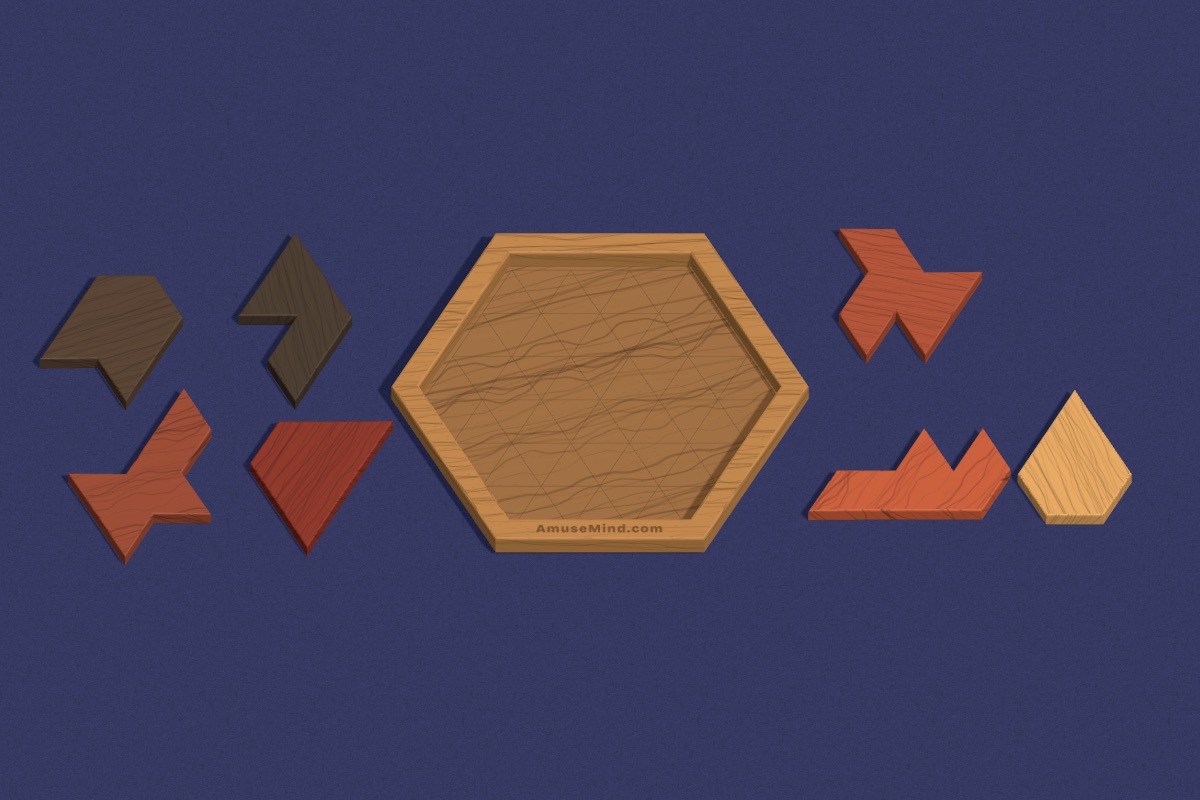
Hexwood: wooden pieces around a hexagon tray on green felt
Ages 5+48,000 challenges

Hexwood

Fill the hexagon tray. Pieces only snap when they truly fit.

Spatial reasoningRotation
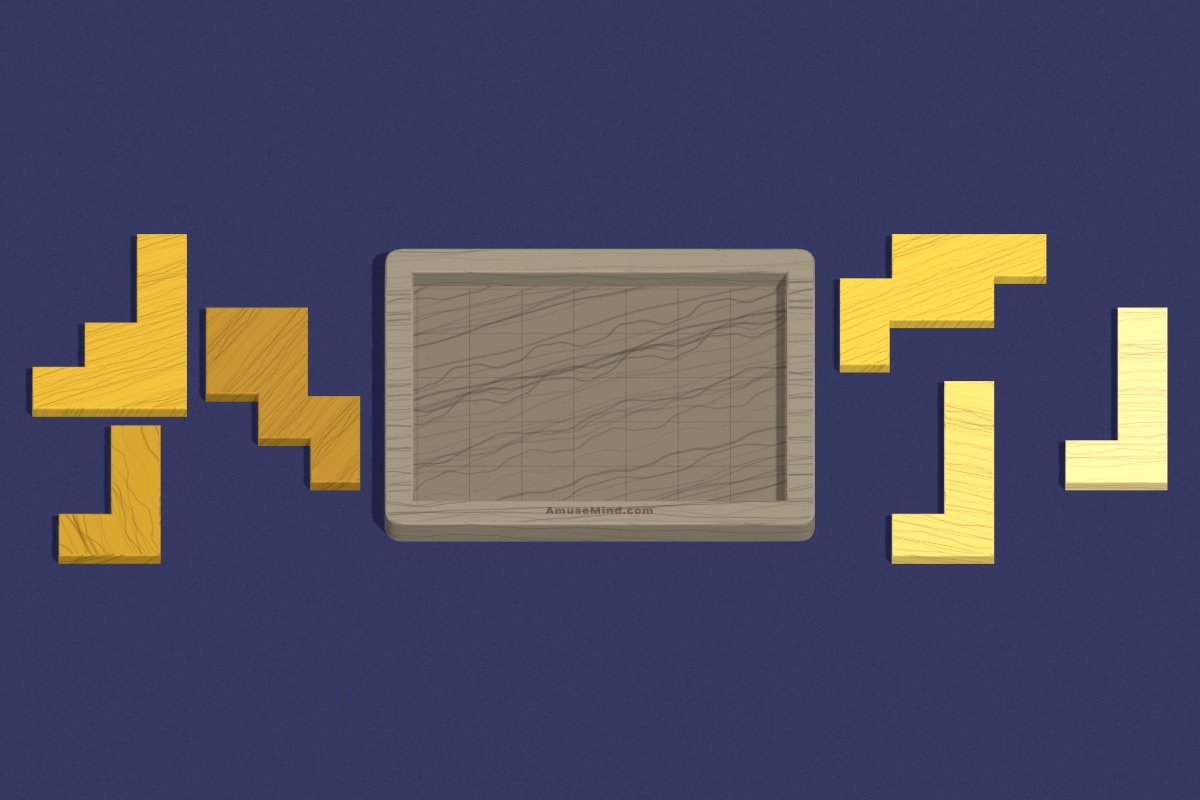
Rectangle Tray: wooden pieces beside a rectangular tray
Ages 5+45,000 challenges

Rectangle Tray

Fit every wooden piece into the rectangle, with none left over.

Spatial reasoningShapes
Tangram: seven wooden shapes beside a picture to fill
Ages 5+49 challengesFrom China

Tangram

Seven wooden shapes, one picture. Turn and flip them to fill it.

Spatial reasoningShapes

First grade (about 6 to 7)

First graders can hold a short plan in mind and enjoy rules with numbers. Try Sudoku on Beginner, a small 4 by 4 grid, and Number Slide on its 3 by 3 board. Tower of Hanoi with three rings is a gentle first taste of planning moves ahead, and Hidden Blocks on Beginner asks kids to copy a simple black-and-white pattern with four blocks.


Sudoku: wooden number tiles in a grid
Ages 6+496,000 challengesFrom Japan

Sudoku

Fill the grid so every row, column and box has each number once.

LogicNumbers
Number Slide: numbered wooden tiles in a frame
Ages 6+49,000 challengesFrom USA

Number Slide

Slide the wooden tiles until the numbers are back in order.

Planning aheadLogic
Tower of Hanoi: wooden rings stacked on the first of three pegs
Ages 6+2,178 challengesFrom France

Tower of Hanoi

Move the tower to the last peg. A big ring never sits on a small one.

Planning aheadLogic
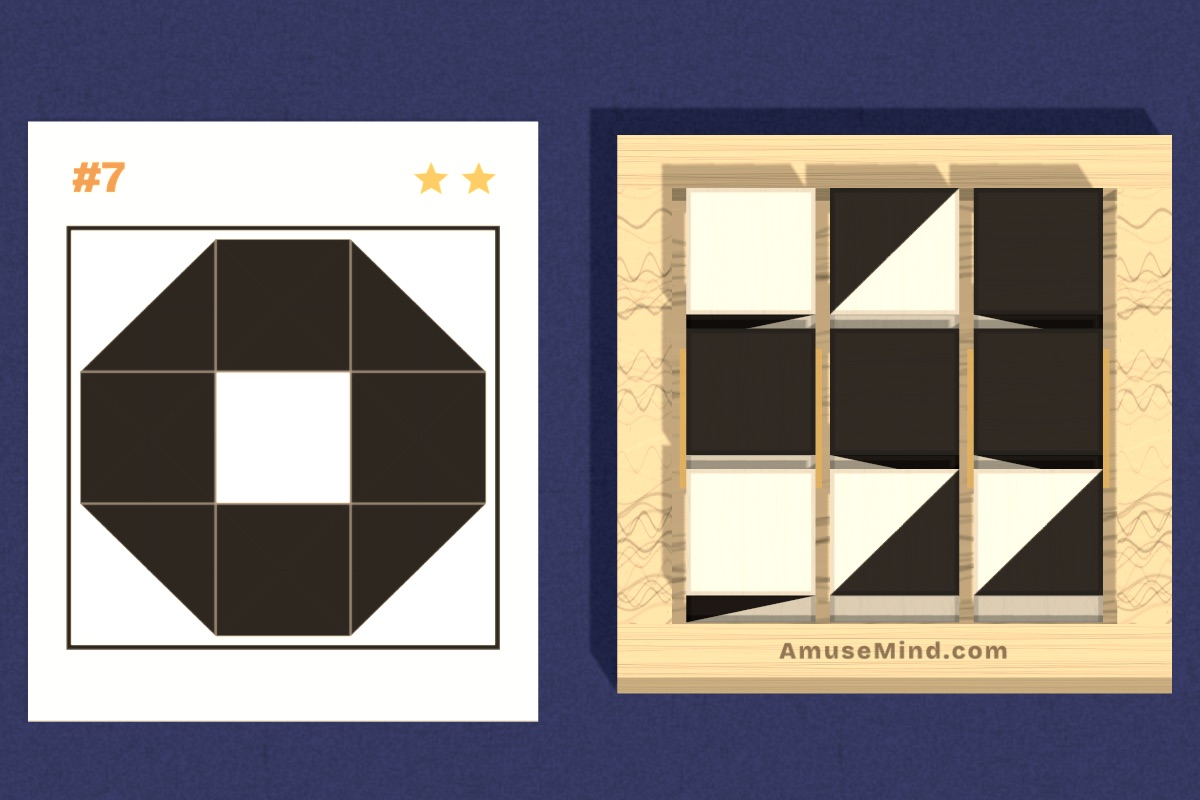
Hidden Blocks: black and white pattern blocks beside a pattern card
Ages 5+3,503 challengesFrom USA

Hidden Blocks

Copy the picture on the card by turning and arranging the blocks.

Spatial reasoningPatterns

Second grade (about 7 to 8)

Second graders are ready for puzzles where one wrong move matters. Sokoban on Beginner teaches “think before you push”. Peg Solitaire starts with a small cross of pegs. Bridges and Nonogram introduce number clues that have to be reasoned out rather than guessed. Eight Logs on Beginner is a great spatial challenge for this age.

Sokoban: wooden crates in a small warehouse
Ages 7+34 challengesFrom Japan

Sokoban

Push every crate onto its spot. You can push, but never pull.

Planning aheadLogic
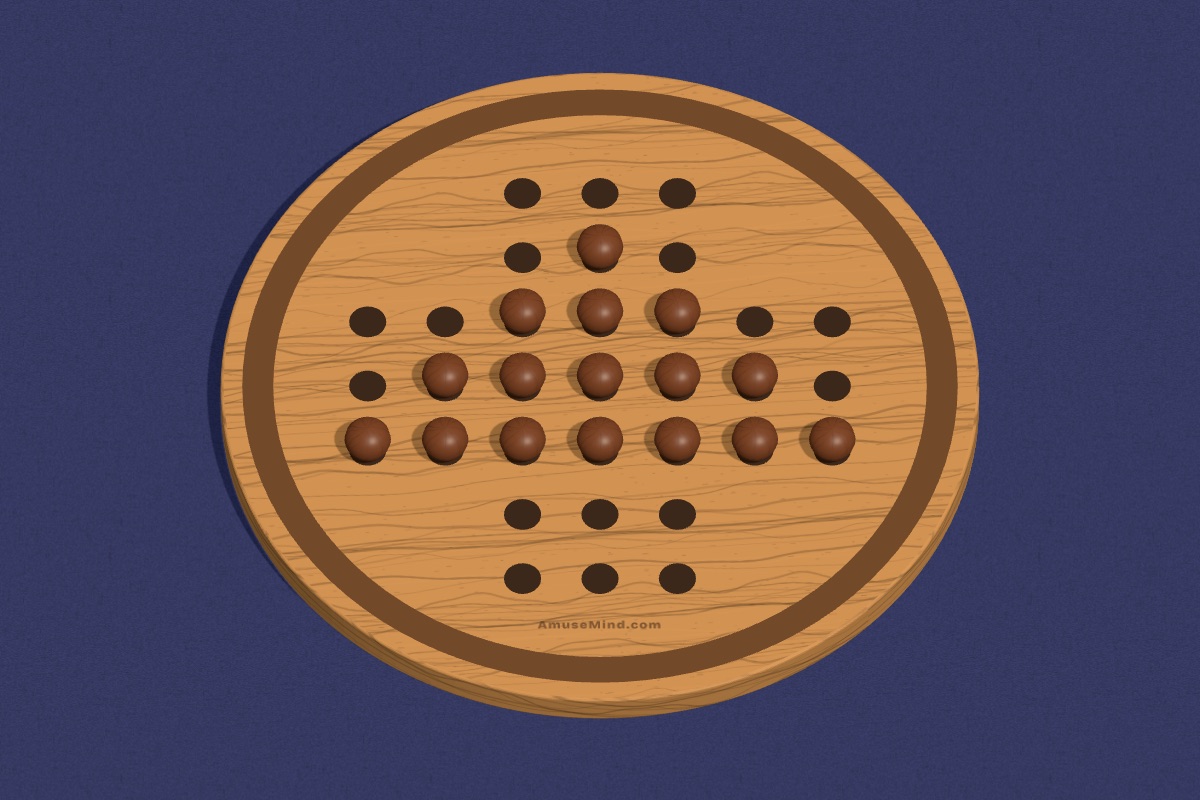
Peg Solitaire: wooden pegs in a cross-shaped board
Ages 7+19,000 challengesFrom France

Peg Solitaire

Jump pegs over each other until only one is left.

LogicPlanning ahead
Bridges: wooden islands joined by bridges
Ages 7+42,000 challengesFrom Japan

Bridges

Join every island with bridges. Each island’s number is how many it needs.

LogicNumbers
Nonogram: a grid of wooden squares with number clues
Ages 7+28 challengesFrom Japan

Nonogram

Use the number clues to fill the right squares and reveal a picture.

LogicNumbers
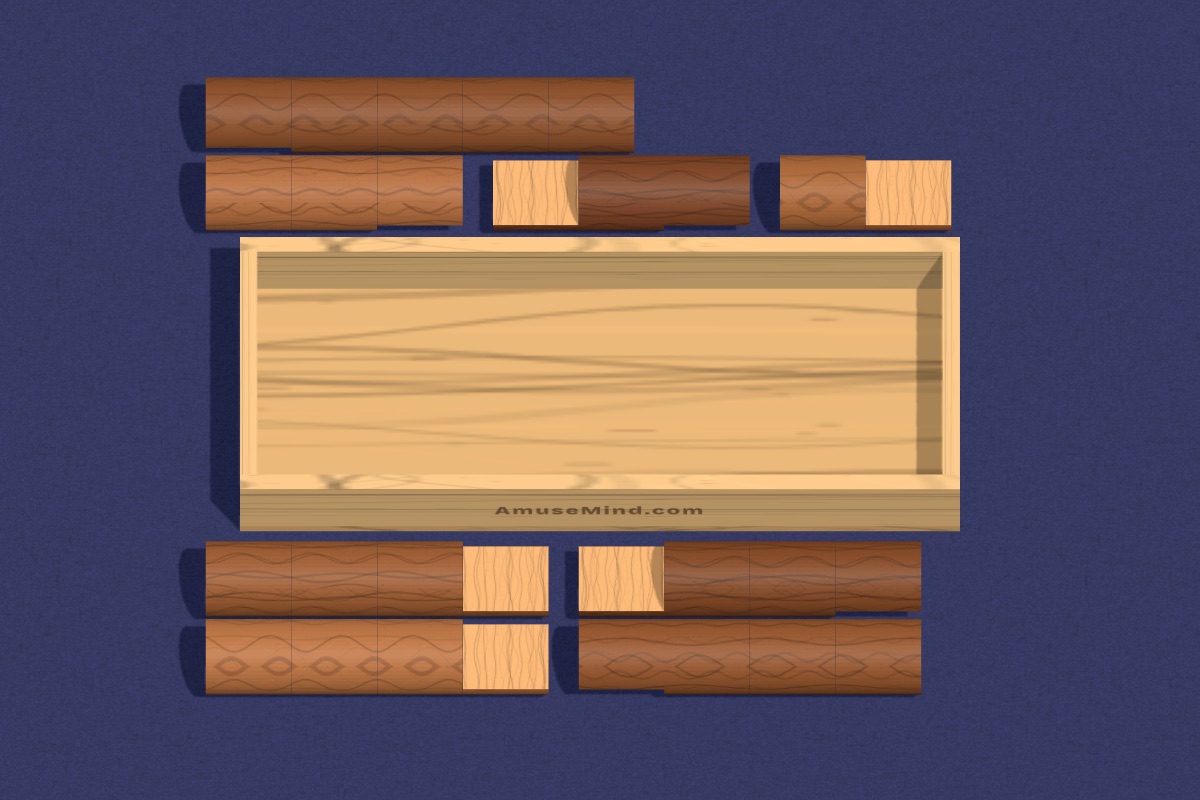
Eight Logs: wooden logs around an empty box on green felt
Ages 7+1,430 challenges

Eight Logs

Fit every log in the box. Two half-cut ends can share one spot.

Spatial reasoningLogic

Third grade (about 8 to 9)

Third graders can stick with a puzzle longer and like visible progress. Move favorites up to Intermediate: Sudoku on a 6 by 6 grid, Number Slide on 4 by 4, Tangram with pieces that start turned. Hakoiri Musume (Klotski) on Intermediate and Puzzle Box are good “aha” puzzles for this age.

Hakoiri Musume: wooden sliding blocks in a box
Ages 6+25 challengesFrom Japan

Hakoiri Musume

Japan’s classic sliding-block puzzle: slide the big block out of the box.

Planning aheadLogic
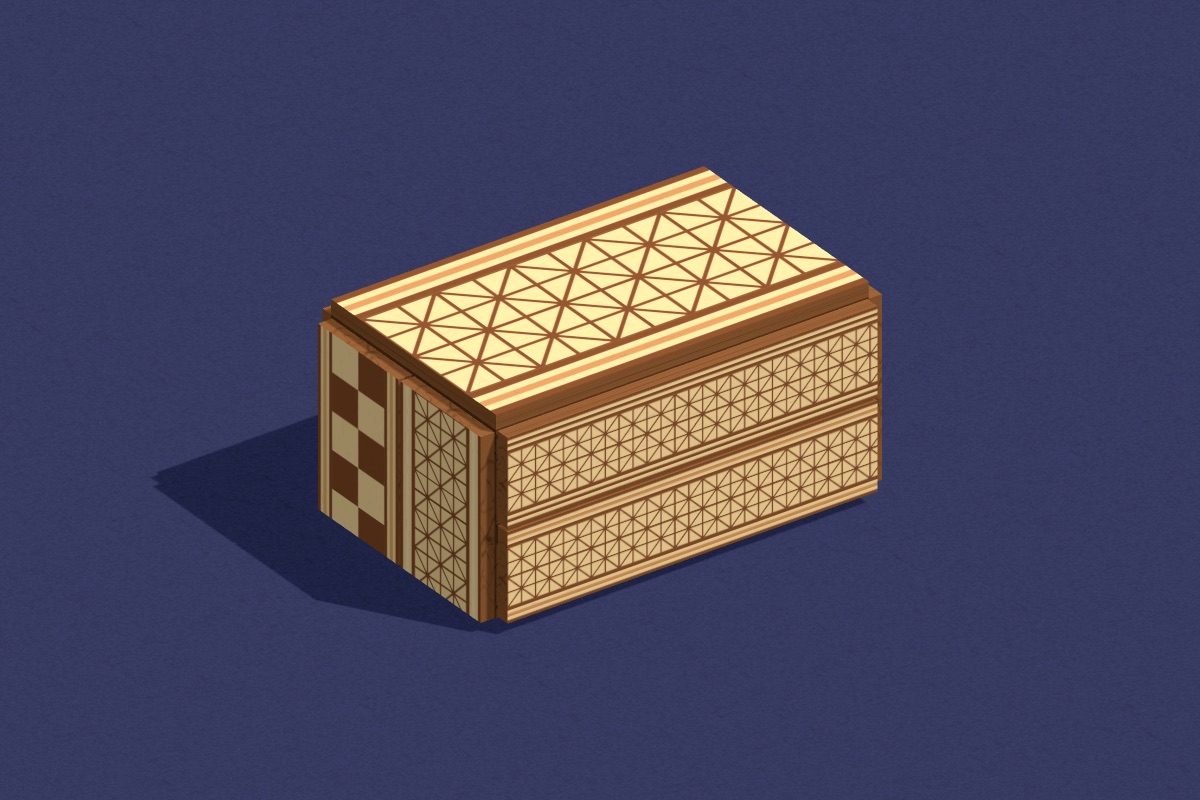
Puzzle Box: a Japanese secret box with wood mosaic panels
Ages 6+35,000 challengesFrom Japan

Puzzle Box

A Japanese secret box. Slide the hidden panels in the right order to open it.

LogicPersistence
Tangram: seven wooden shapes beside a picture to fill
Ages 5+49 challengesFrom China

Tangram

Seven wooden shapes, one picture. Turn and flip them to fill it.

Spatial reasoningShapes
Sudoku: wooden number tiles in a grid
Ages 6+496,000 challengesFrom Japan

Sudoku

Fill the grid so every row, column and box has each number once.

LogicNumbers

Fourth and fifth grade (about 9 to 11)

By fourth and fifth grade, children can plan several moves ahead, explain their reasoning, and enjoy puzzles with a “best possible” score. Try Pro levels: Tower of Hanoi with five rings (best is 31 moves), full 9 by 9 Sudoku, Sokoban Pro, and the T Puzzle. Kids who love building enjoy Luban Lock, an interlocking wooden puzzle you take apart in 3D, and Six Bottles, where every piece comes from one shared pile.

Tower of Hanoi: wooden rings stacked on the first of three pegs
Ages 6+2,178 challengesFrom France

Tower of Hanoi

Move the tower to the last peg. A big ring never sits on a small one.

Planning aheadLogic
Sokoban: wooden crates in a small warehouse
Ages 7+34 challengesFrom Japan

Sokoban

Push every crate onto its spot. You can push, but never pull.

Planning aheadLogic
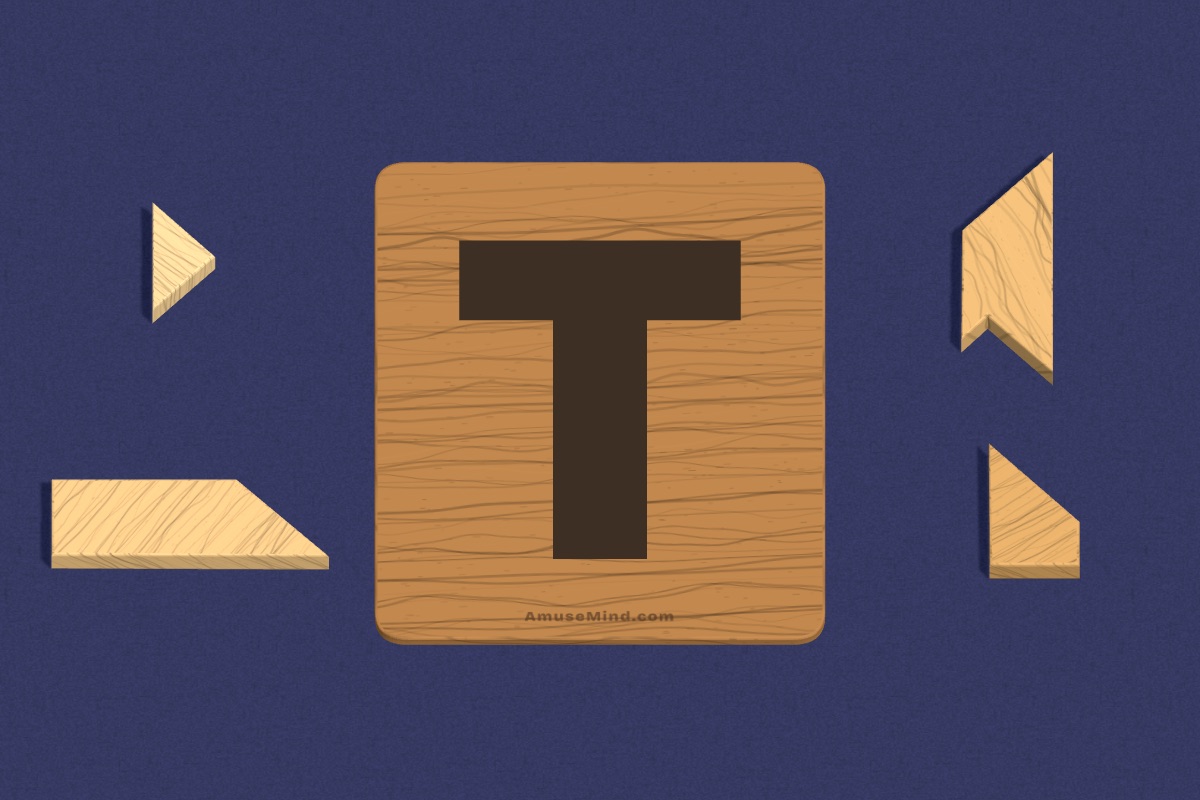
T Puzzle: four wooden pieces beside a T-shaped outline
Ages 6+70 challenges

T Puzzle

Four wooden pieces make a T, and dozens of other shapes.

Spatial reasoningShapes
Luban Lock: an interlocking wooden puzzle
Ages 7+29 challengesFrom China

Luban Lock

Take the wooden lock apart. Only one piece can move at a time.

Spatial reasoningPlanning ahead
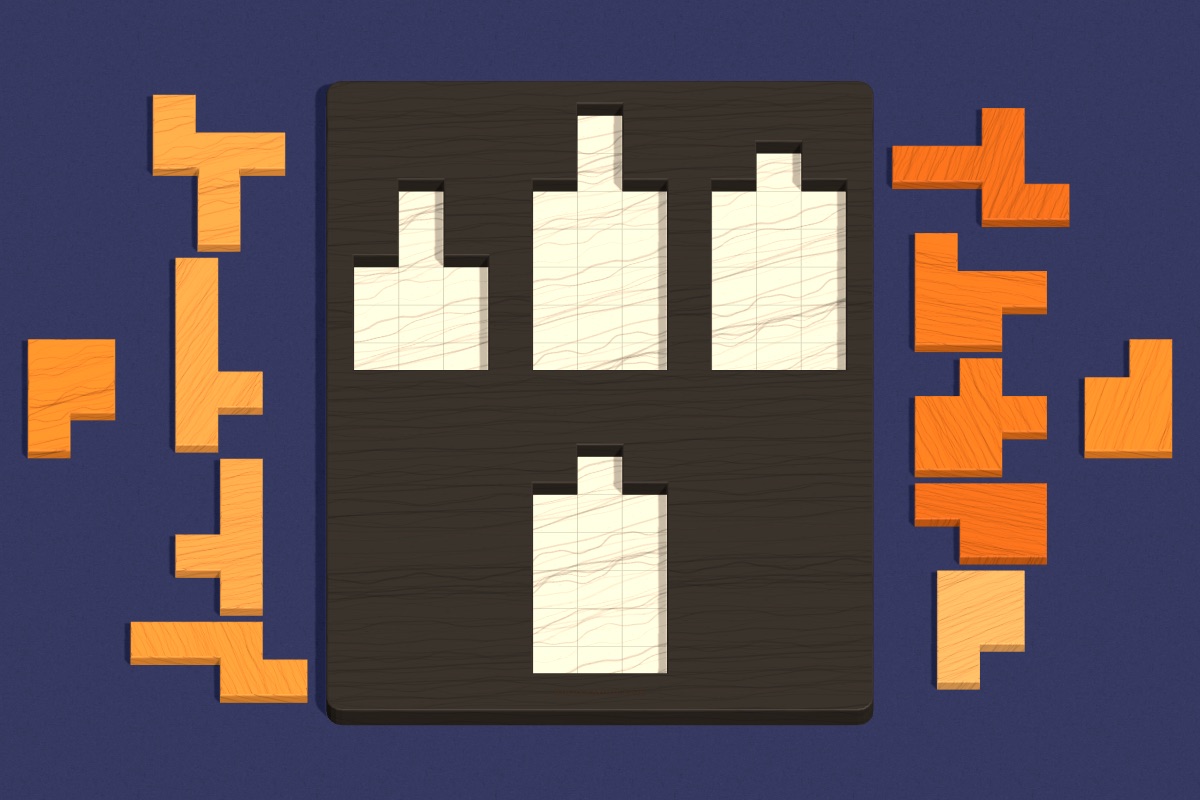
Six Bottles: six bottle-shaped holes and a pile of pieces
Ages 7+49,000 challenges

Six Bottles

Fill every bottle. All the pieces come from one pile.

Spatial reasoningPlanning ahead

Matching level to child, not grade

Every AmuseMind puzzle shows a recommended age for each of its five levels. Use those as a guide, but trust what you see. A second grader who flies through Beginner should try Intermediate; a fourth grader new to puzzles may enjoy starting on Beginner and winning quickly. Confidence first, challenge second.

Talking about thinking at every grade

Whatever the grade, the most useful thing a parent can do is ask about the thinking, not just the result. For younger children, keep it concrete: “Which piece did you try first? What made you change it?” For older ones, push for reasons: “How did you know that square had to be a 4?”

These conversations build vocabulary for reasoning, which children carry into math class, science and writing. They also show your child that you value effort and strategy, not just finishing fast. Two minutes of talk after a puzzle is worth more than another ten minutes of play.

Questions parents ask

What are good educational puzzles for kindergarten?

Simple shape puzzles with big pieces and a clear goal: matching shapes to holes, filling a tray, or making a picture from a few pieces. In AmuseMind, Shape Match, Hexwood and Tangram on Beginner suit most kindergartners.

Are these puzzles aligned to grade-level standards?

They are puzzles, not a curriculum, so they don’t follow a grade-level scope and sequence. They do exercise reasoning and persistence that show up across subjects, and the levels make it easy to find the right challenge.

Do kids need an account?

No. Children play without accounts, names or email addresses. Every puzzle is free to try in the browser, with no ads.

Try a puzzle now

Every puzzle is free to try in the browser. No sign-up, no ads.

More guides