Some children finish every worksheet early and ask for something harder. Others are bright but quickly bored by drills. Well-designed puzzles can stretch both: the hardest levels are genuinely hard, there’s always a “best possible” to chase, and good puzzles reward deep thinking rather than speed.
A word about tests
Puzzles are not test prep. Some gifted and talented screening tests include spatial or pattern tasks that look a little like puzzles, but playing puzzles is not practice for any specific test, and we don’t claim it helps scores. Choose puzzles because your child enjoys hard thinking, not to puzzle an assessment.
Go straight to the hard levels
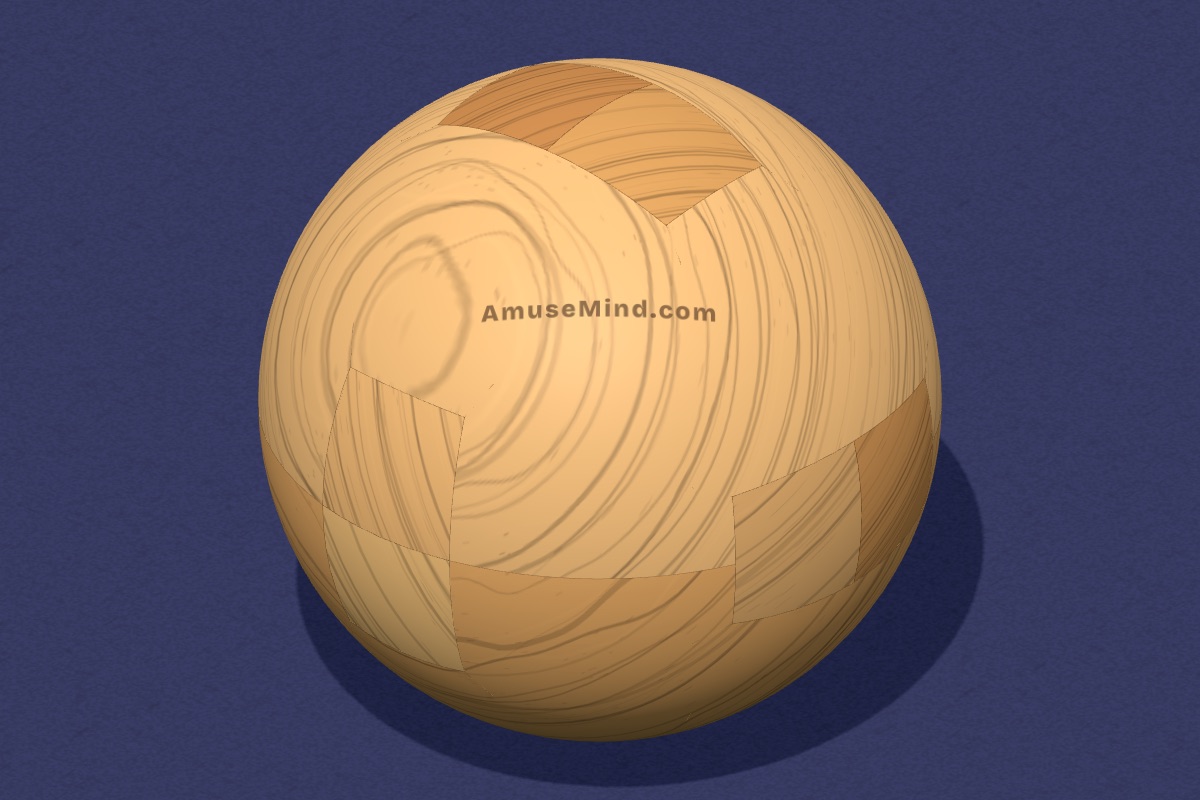
Gifted children often enjoy skipping ahead. Every AmuseMind puzzle has Hacker and Demon levels designed to be hard even for adults. Let them try Demon early; if it’s too much, Hacker is a good home. Hakoiri Musume’s Demon level includes the famous classic sliding-block layout that has puzzled people for generations. Luban Lock’s Demon level is a wooden magic ball that comes apart in eight pieces.

Ask “why”, not just “can you”
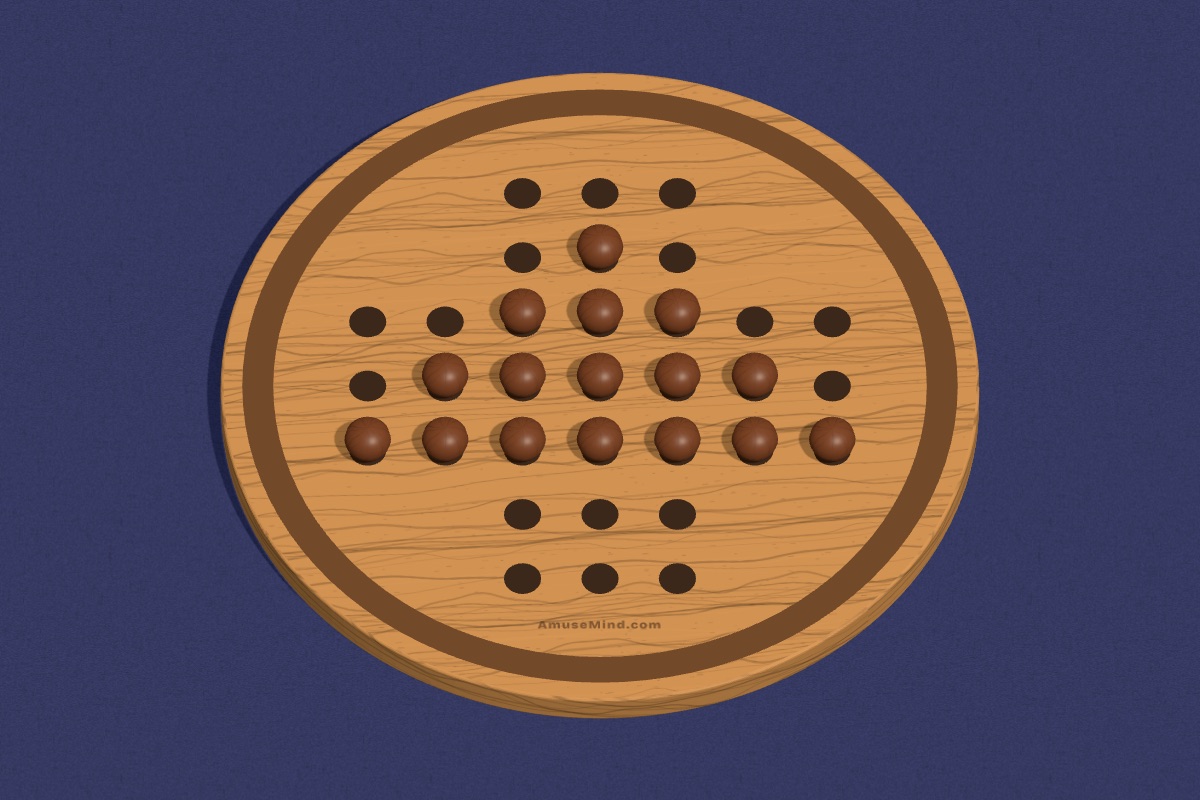
The best way to stretch a fast solver is to ask them to explain. In Tower of Hanoi: what is the fewest number of moves for 4 rings? For 5? Can you predict 10? (The answer follows a pattern, doubling and subtracting one.) In Peg Solitaire: why can some starting patterns end with one peg in the center and others can’t? In Sudoku: which technique did you use on that square?
Explaining is harder than solving, and it builds the habit of proof that matters later in math.


Puzzles with no single path
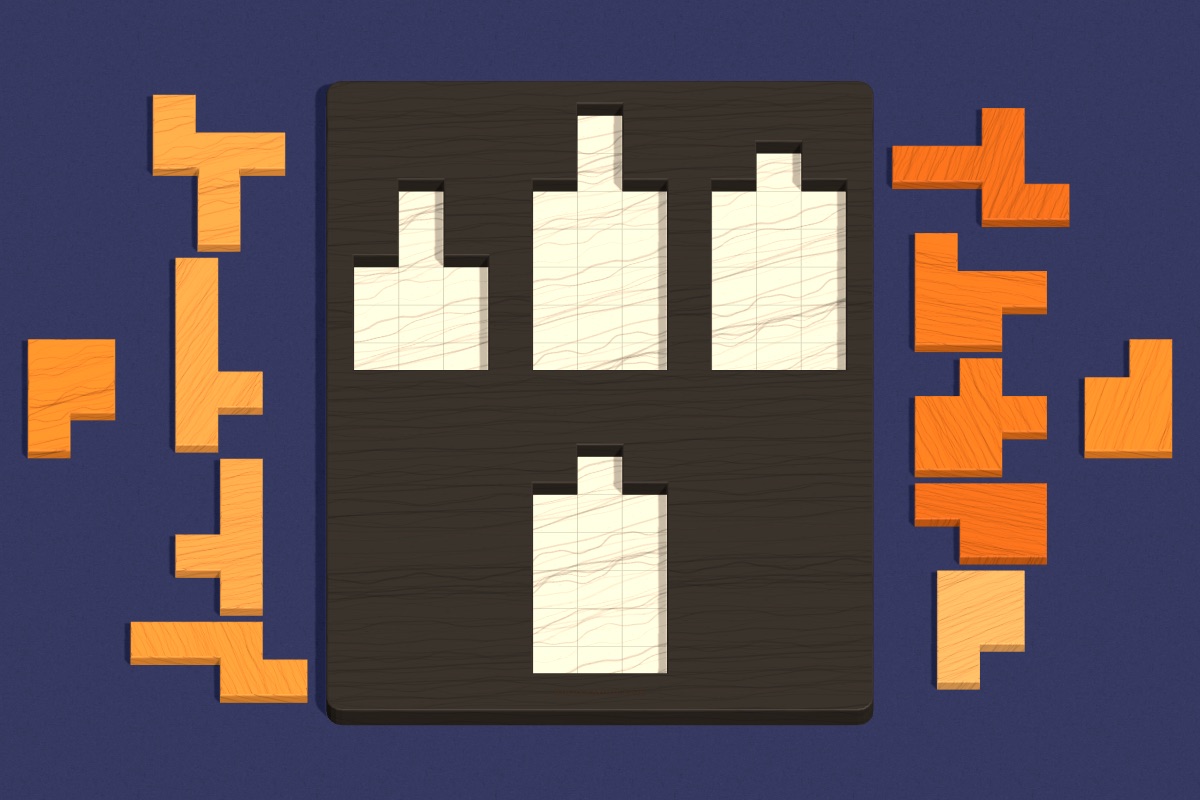
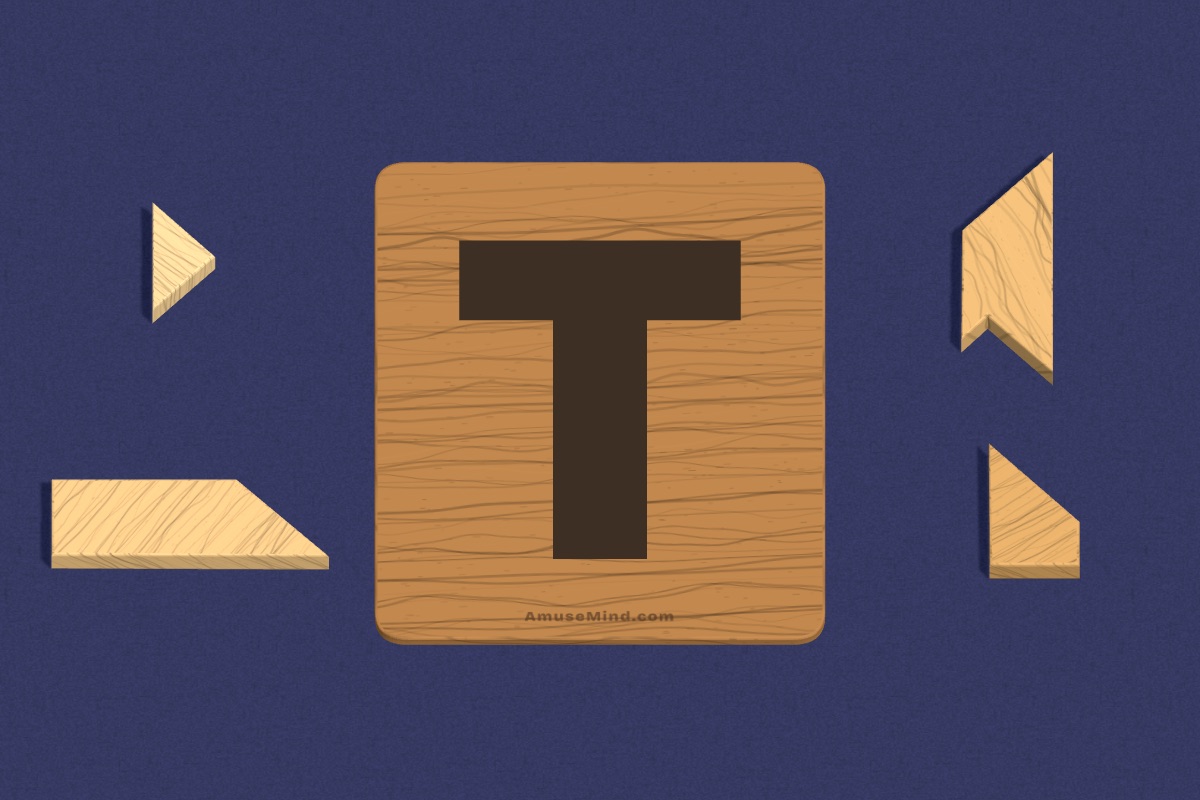
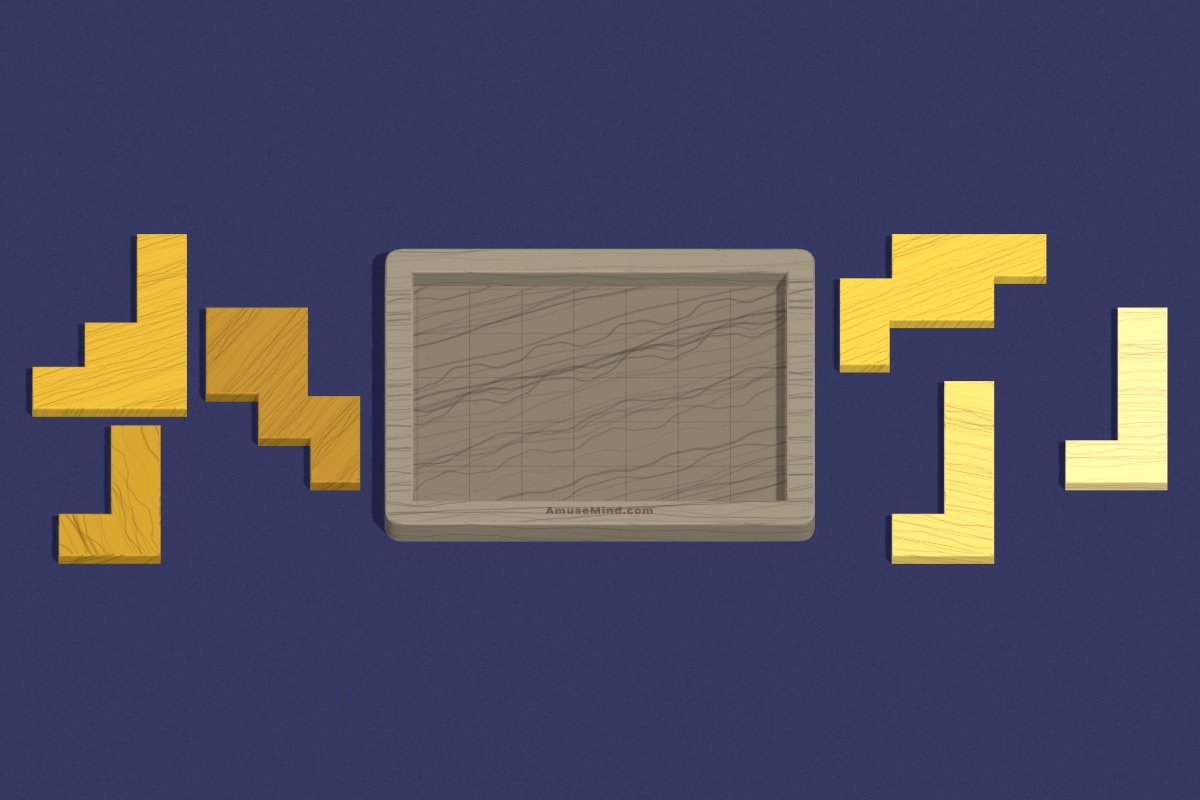
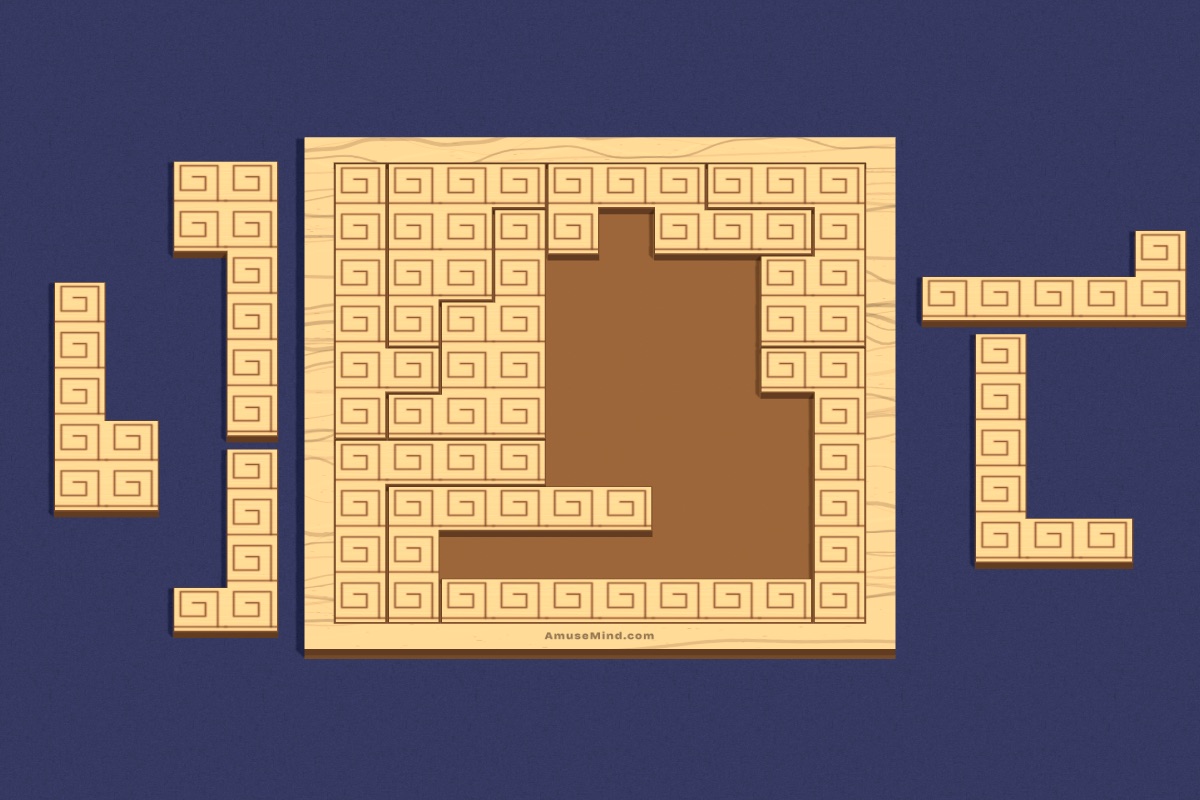
Tangram and T Puzzle figures can sometimes be made more than one way. Tray puzzles are generated fresh each time. Ask your child to find a second solution, or to design a challenge for a parent or sibling. Creating puzzles is a step beyond solving them.

Perfectionism and frustration
Children used to getting things right fast can find a truly hard puzzle upsetting. Name it: “This one is designed to be hard. Being stuck means you’ve reached the interesting part.” Celebrate effort and smart attempts, use Undo freely, and stop before frustration turns into dread. Coming back tomorrow is a skill too.
Avoid making puzzles a competition with siblings who may be younger or less confident. Let each child have their own level.
Keep variety
Gifted kids can over-specialize in one favorite. Rotate between spatial puzzles, logic grids and planning puzzles so they meet kinds of thinking that don’t come as easily. Sokoban and Bridges are good “humbling” puzzles for children who breeze through number logic.



Finding the right pace
Gifted children often swing between racing ahead and losing interest. A steady rhythm helps: a short puzzle most days, one “big challenge” a week on a Demon level, and time to talk about it afterwards. Let your child keep a list of puzzles they have beaten and techniques they discovered. Seeing their own growth is motivating in a way that grades often aren’t.
It also helps to connect puzzles with other interests. A child who loves building might enjoy the 3D Luban Lock; a child who loves numbers might dig into why Tower of Hanoi’s move counts follow a pattern.
Questions parents ask
Will puzzles help with gifted and talented tests?
We don’t claim that. Puzzles are a way to enjoy and stretch thinking, not preparation for any particular test.
Which AmuseMind puzzles are hardest?
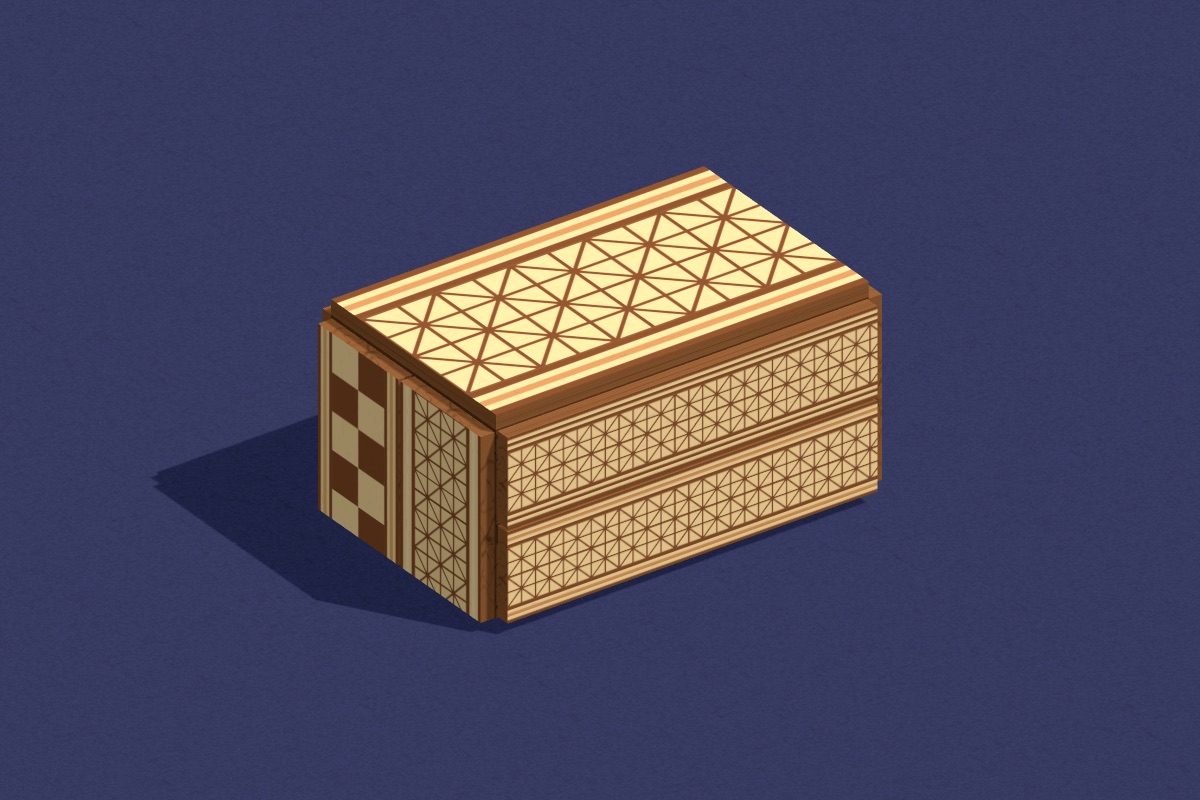
The Demon levels of Hakoiri Musume, Luban Lock, Puzzle Box, Sokoban and Peg Solitaire (the full 33-hole board) are challenging even for adults.
My child gives up when it gets hard. What helps?
Drop one level so success comes quickly, then step back up. Praise strategies, not speed, and use Undo as a normal part of solving.
