Spatial skills, the ability to picture shapes, turn them in your mind and imagine how parts fit together, are widely linked to success in science, technology, engineering and math. The encouraging part is that they can improve with practice, and puzzles are one of the most enjoyable ways to give students that practice.
What “spatial skills” covers
It is a family of skills: mental rotation (picturing a shape turned), spatial visualization (imagining folding, unfolding or assembling), and spatial relations (understanding how parts relate to a whole). Engineers reading a drawing, chemists picturing a molecule and carpenters cutting a joint all lean on them.
These skills show up well beyond STEM classes too: in reading maps, packing a backpack, assembling furniture and many sports. Pointing out everyday examples helps students see why the practice matters.
Lesson idea: rotate and reflect
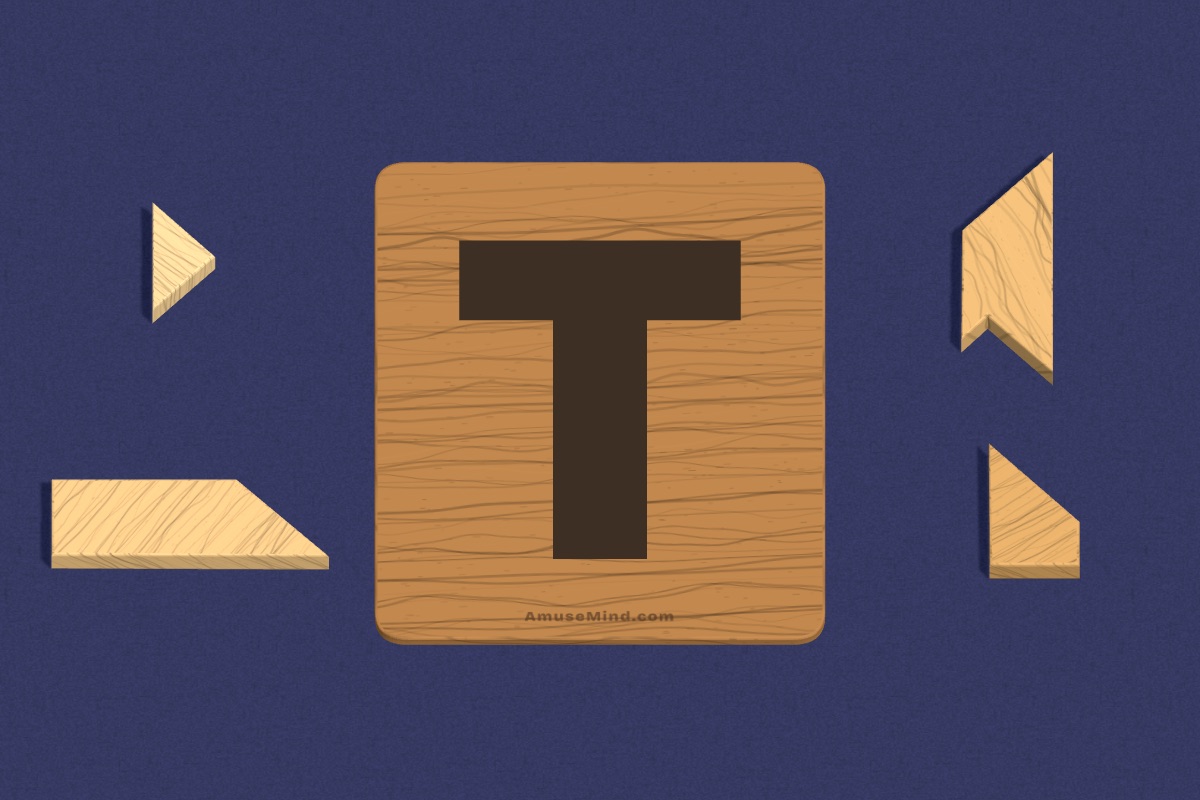
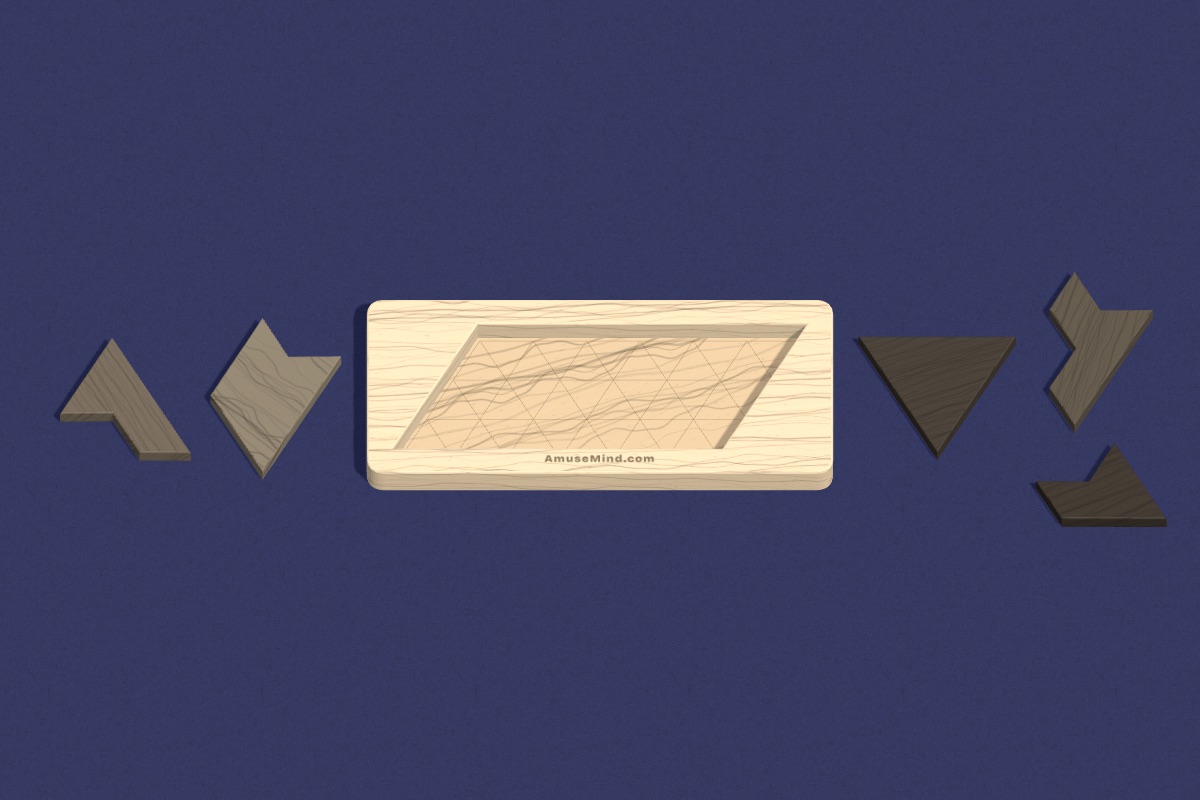
Start hands-on with paper tangram pieces: ask students to make a shape, then describe one piece’s turn in precise language. Then move to the digital Tangram or T Puzzle, where pieces turn by set amounts and flip with a double tap. Close by asking which pieces never need flipping, and why (symmetric pieces look the same when reflected).

Lesson idea: from pattern to parts
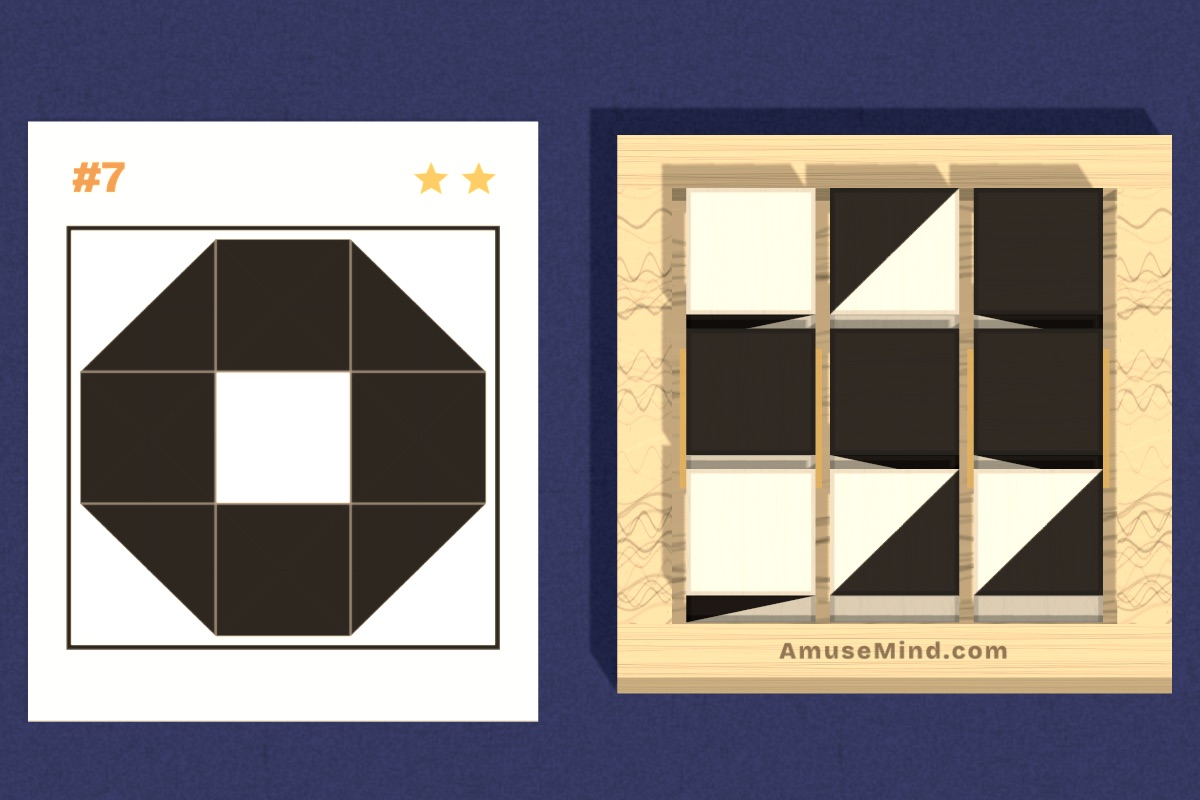
Hidden Blocks asks students to copy a black-and-white design using cubes whose faces have different patterns. Before playing, have students sketch how they would split the design into squares. Afterwards, ask them to design a card for a partner. This connects to decomposing figures, an important geometry idea.
Lesson idea: thinking in 3D
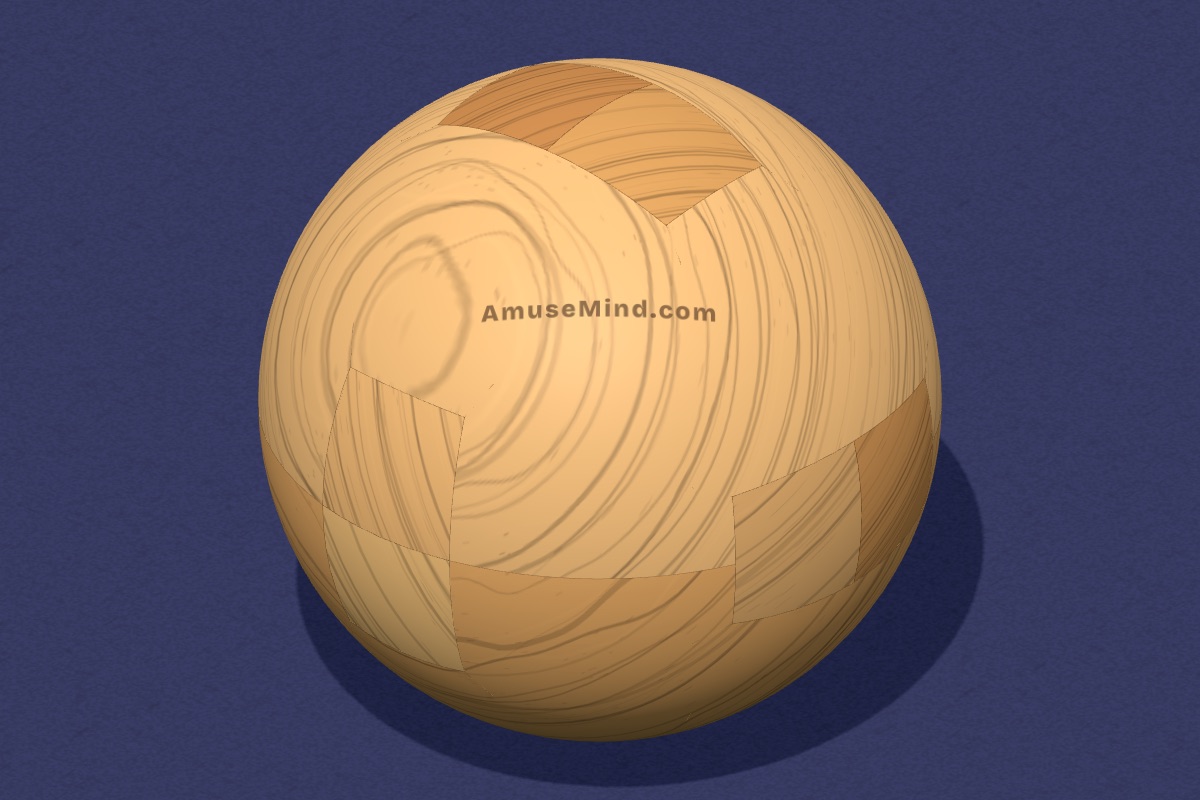
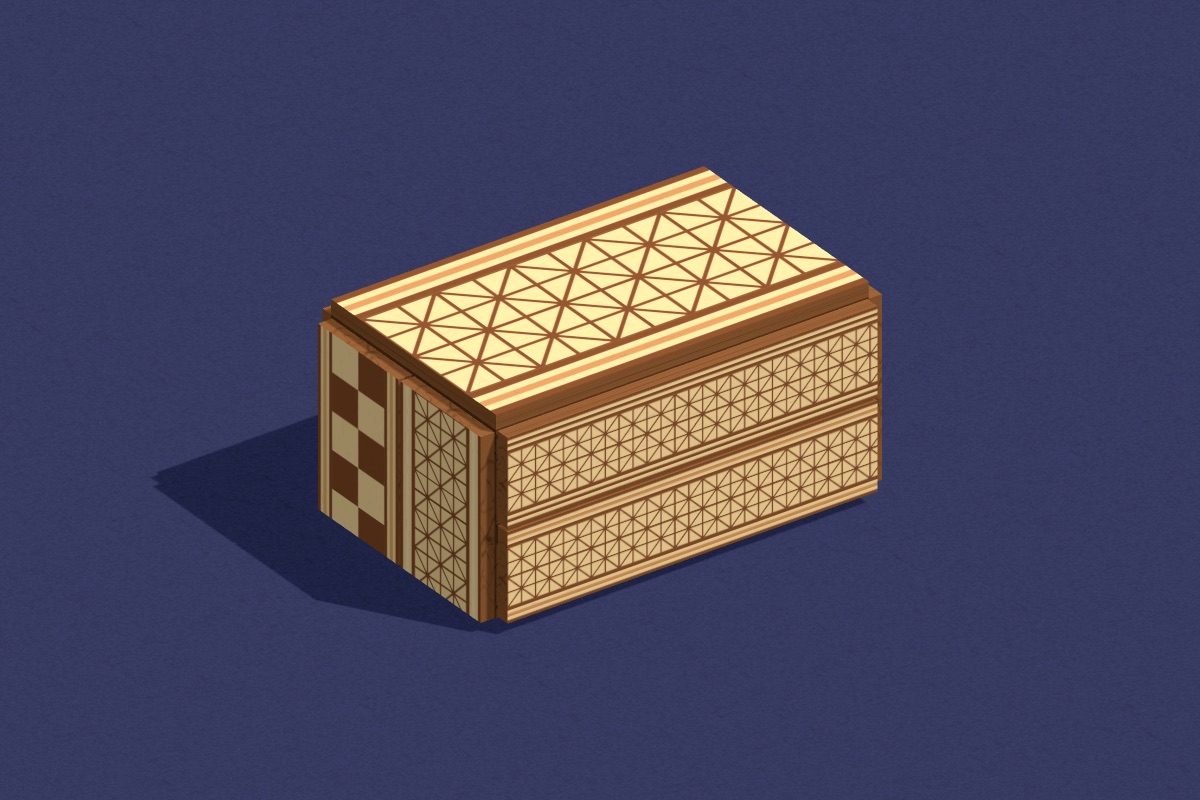
Luban Lock is a set of interlocking wooden pieces that come apart only in the right order. Students rotate the view, test which piece can slide, and plan the next move. Pair it with a building challenge using blocks or linking cubes: build a shape from a drawing, then draw a shape from a build. Puzzle Box adds cause and effect in 3D: each panel unlocks the next.
Lesson idea: packing and fitting
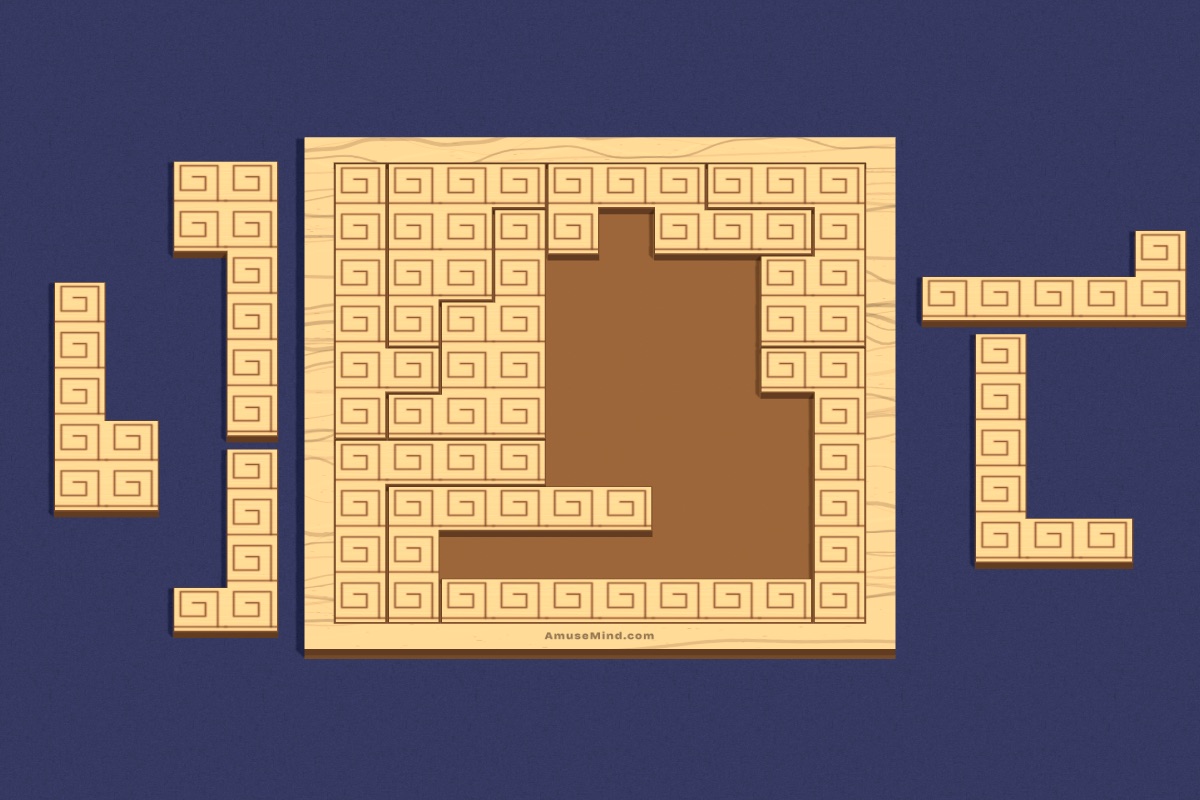
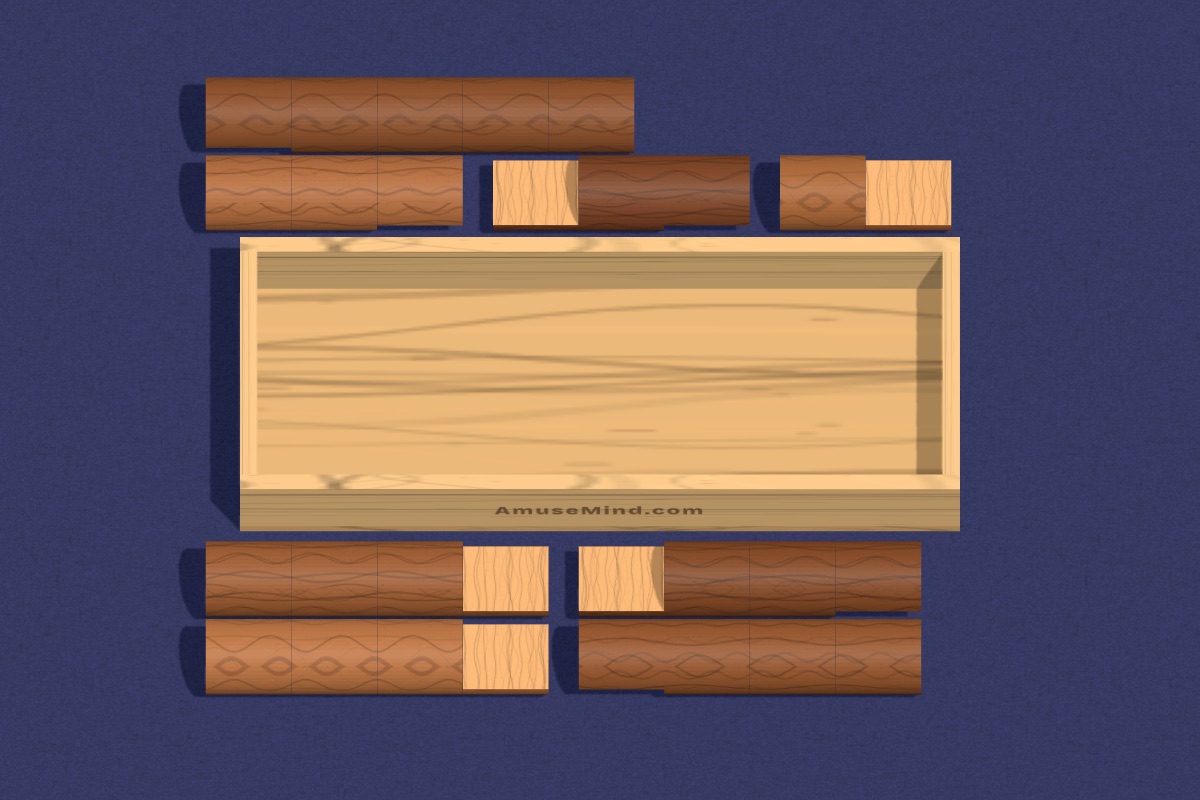
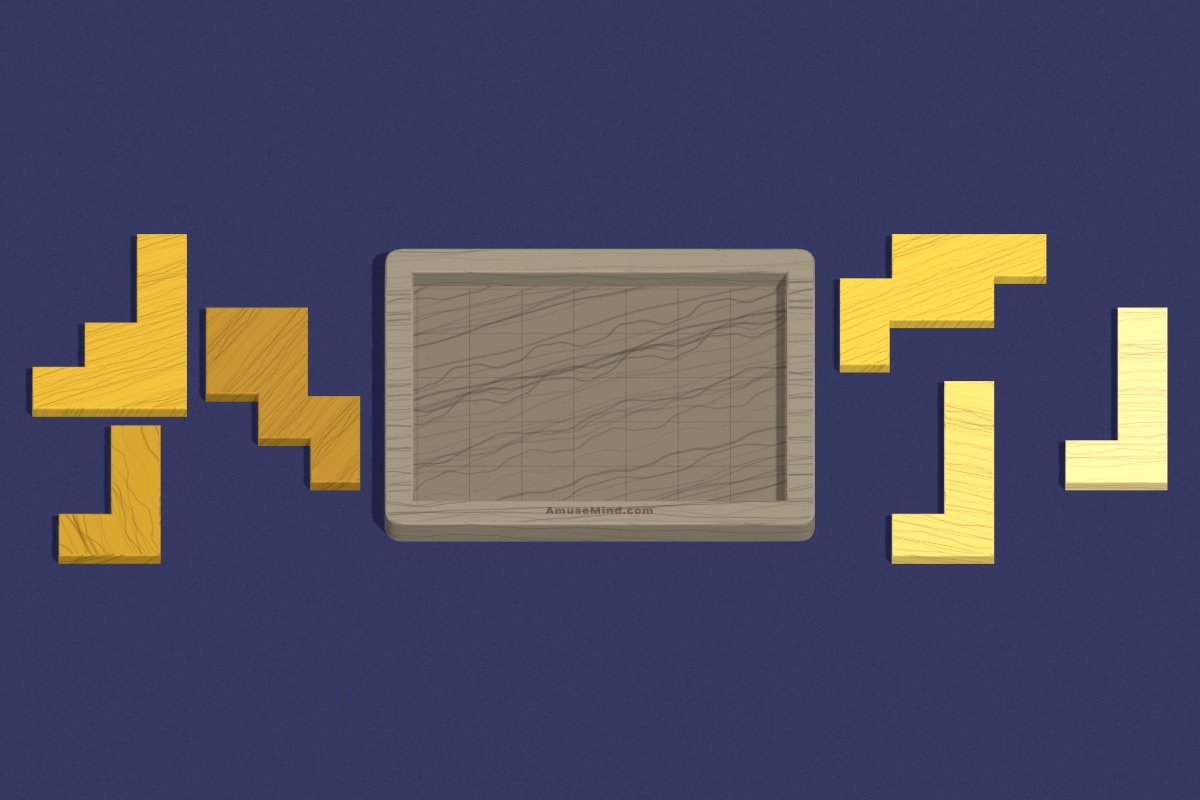
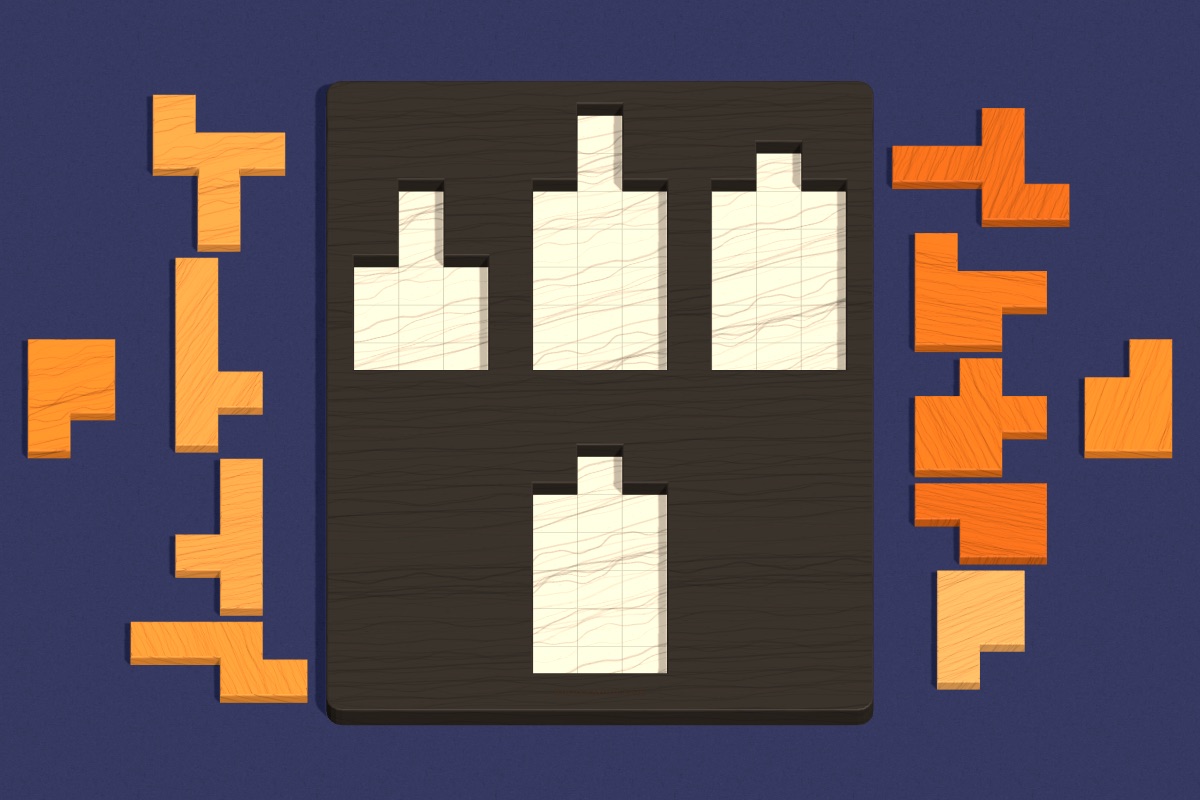
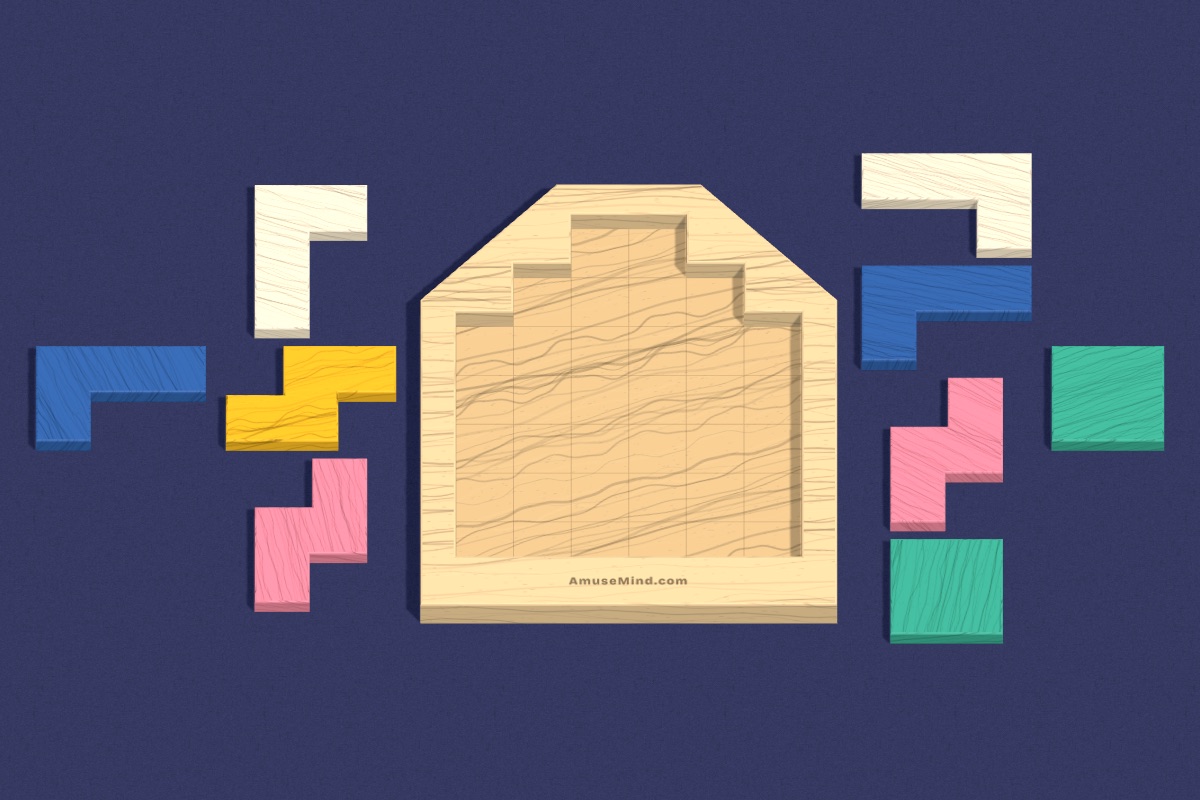
Packing problems appear in shipping, manufacturing and design. Tray puzzles, Six Bottles and Block House all ask students to fit pieces into a space with nothing left over. Ask students to estimate first: will these pieces fit? Then test, and discuss what made their estimate right or wrong.
Making it routine
Spatial skills grow with regular practice, so a short weekly routine is worth more than one big unit. A ten-minute puzzle warm-up once a week, alternating 2D and 3D puzzles, is easy to sustain. Every AmuseMind puzzle is free in the browser with no student accounts.
Including every student
Students arrive with very different spatial experience. Some have spent years with building toys and video games; others haven’t. Without practice, those gaps can make spatial tasks feel like an innate talent rather than a skill, and some students decide early that they are “not good at this”.
Short, regular practice helps level the field. Start everyone on an easy level so they succeed, then move up. Praise strategies like “I turned it in my head first” rather than speed. Pair students so they talk through moves together. Over a term, many students who started hesitant become confident.
Questions teachers ask
How often should students practice spatial skills?
Little and often works best. A ten-minute spatial warm-up once or twice a week, alternating hands-on building with digital puzzles, is easy to sustain across a whole term.
Can spatial skills be taught?
They can improve with practice. Hands-on building and spatial puzzles both give students regular practice with rotation and visualization.
Which puzzles are best for 3D thinking?
Luban Lock, Puzzle Box and Eight Logs involve turning and imagining pieces in three dimensions. Hidden Blocks connects 3D cubes to a 2D pattern.
What grades suit these lessons?
Most work from about third grade up, with Beginner levels for younger students and Pro or Demon levels for middle school.


