Every class has students who finish early. The best early-finisher activity is quiet, self-checking, worth doing and easy to stop when the lesson moves on. Short logic and spatial puzzles fit that brief well, and they stretch the students who most need stretching.
What makes a good early-finisher activity
It should start instantly, with no instructions from you. It should check itself, so students know when they are right. It should be short, ideally five to fifteen minutes with a clear finish. And it should be genuinely challenging for strong students, not busywork.
Puzzles meet all four. Each AmuseMind puzzle shows its goal on screen and ends with a clear win, and five levels mean there is always a harder one.
Ten-minute puzzles
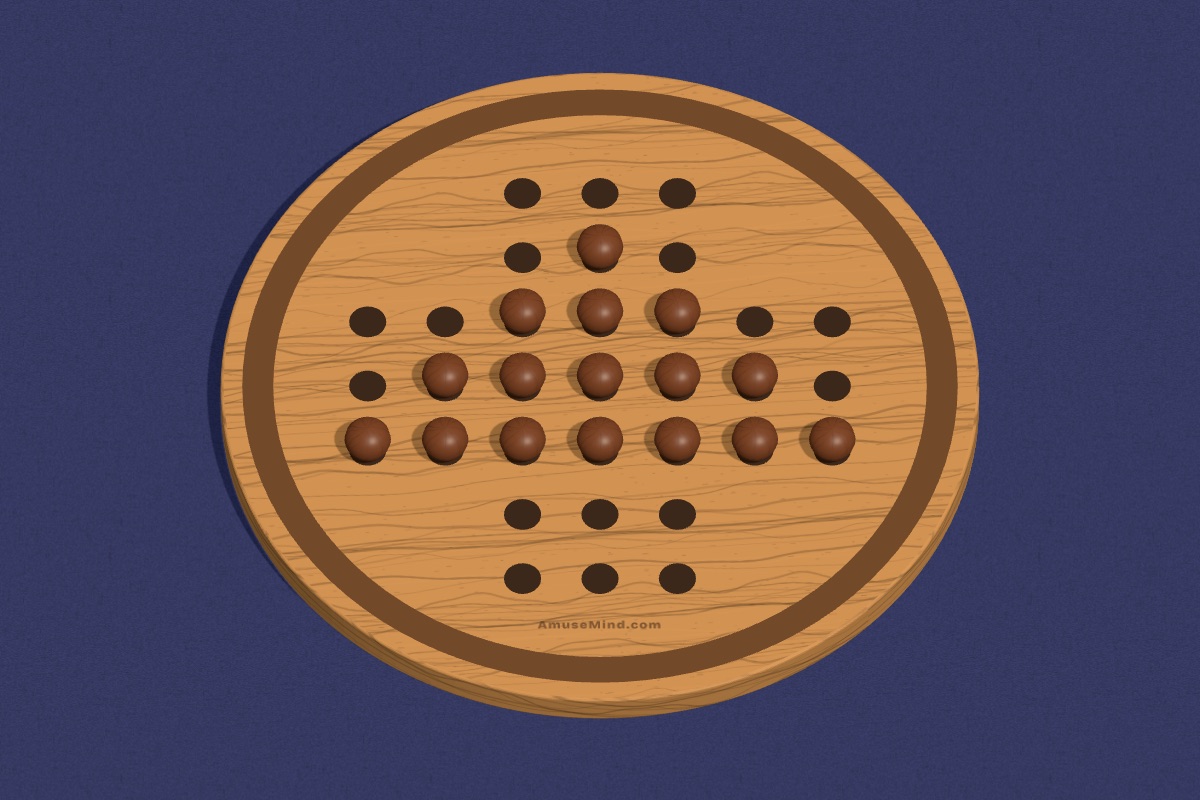
Sudoku, Number Slide and Tower of Hanoi suit short windows. Nonograms reward students with a picture. Peg solitaire and Sokoban are compact but deep.





Spatial challenges
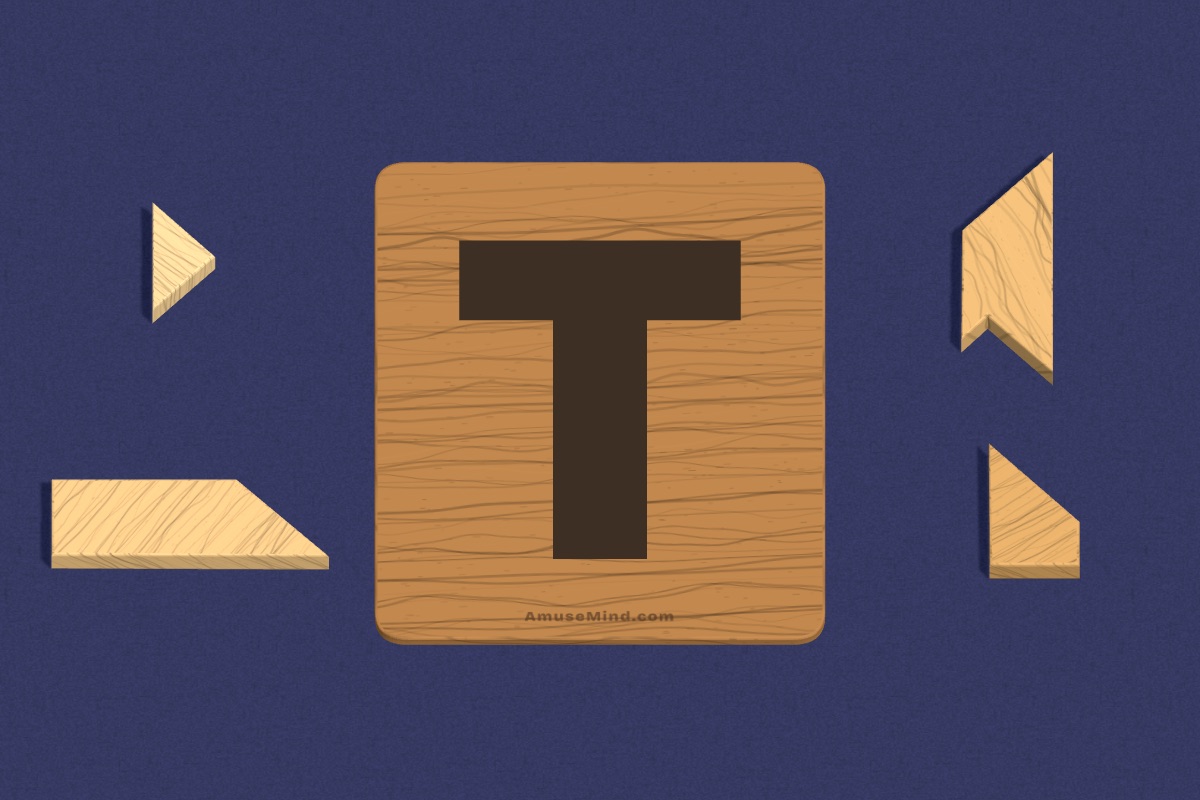
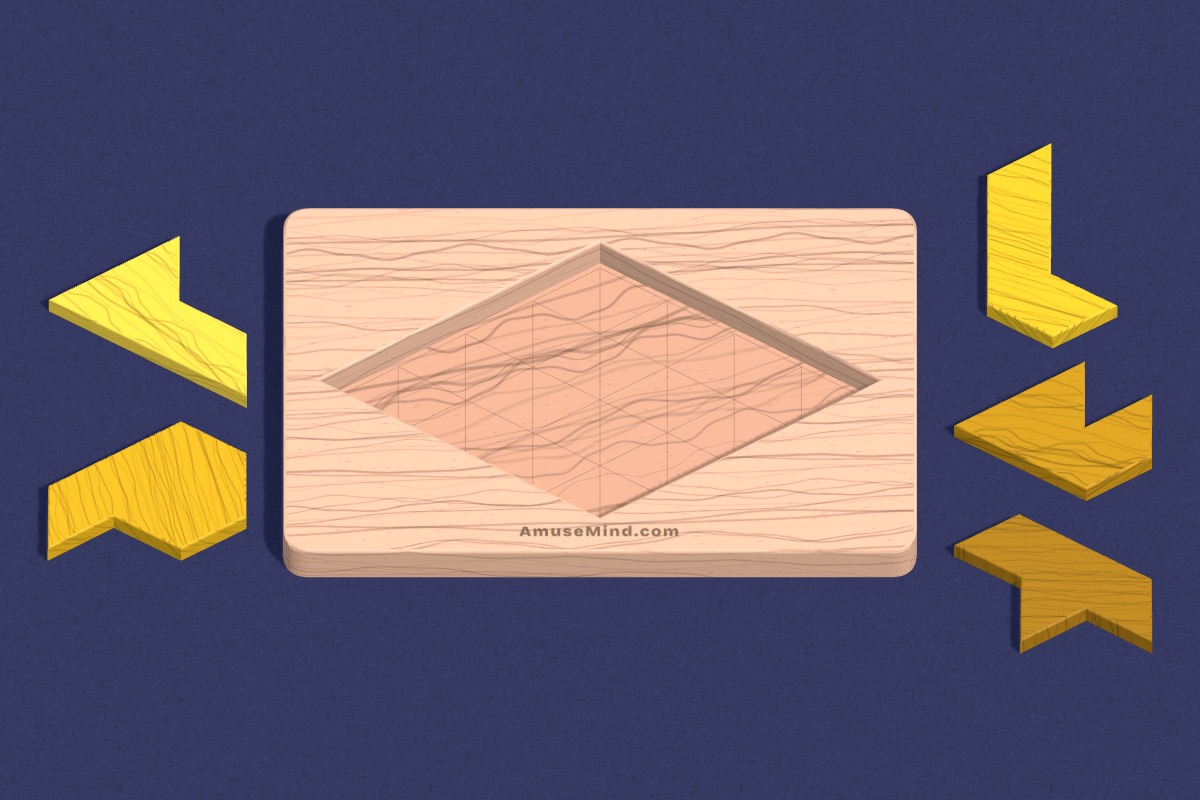
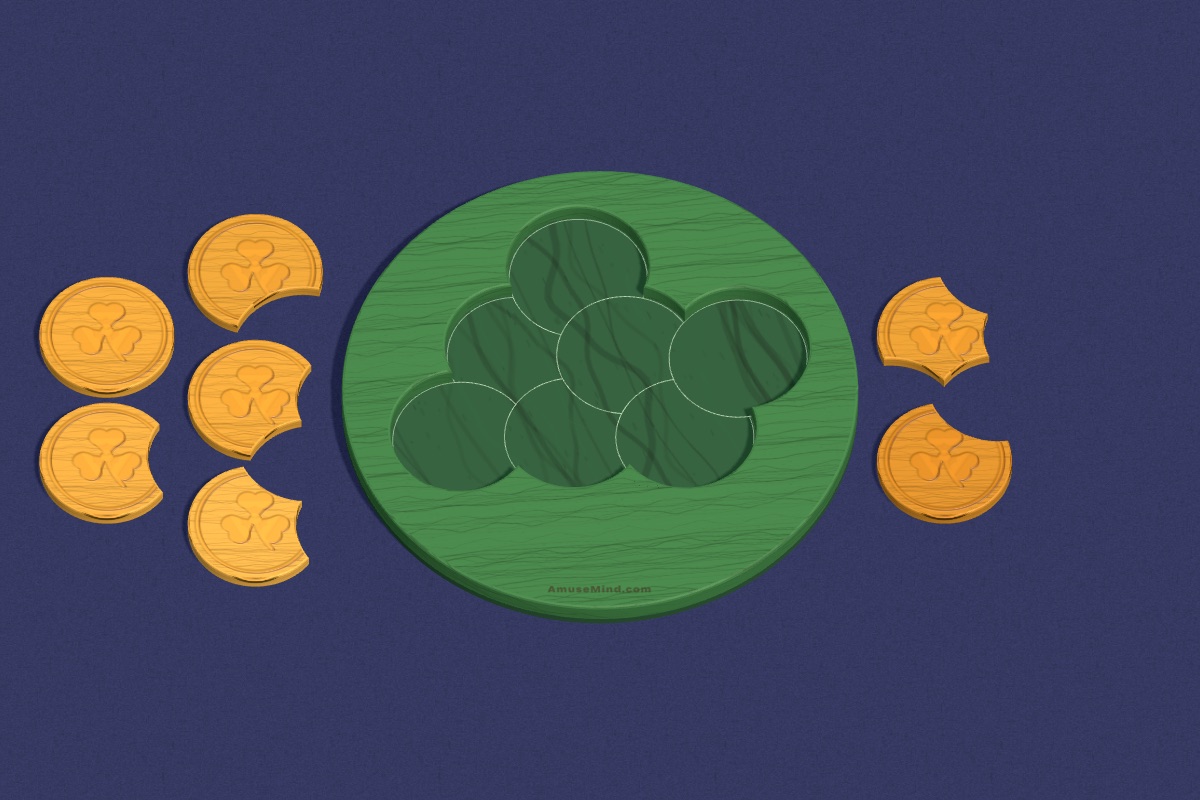
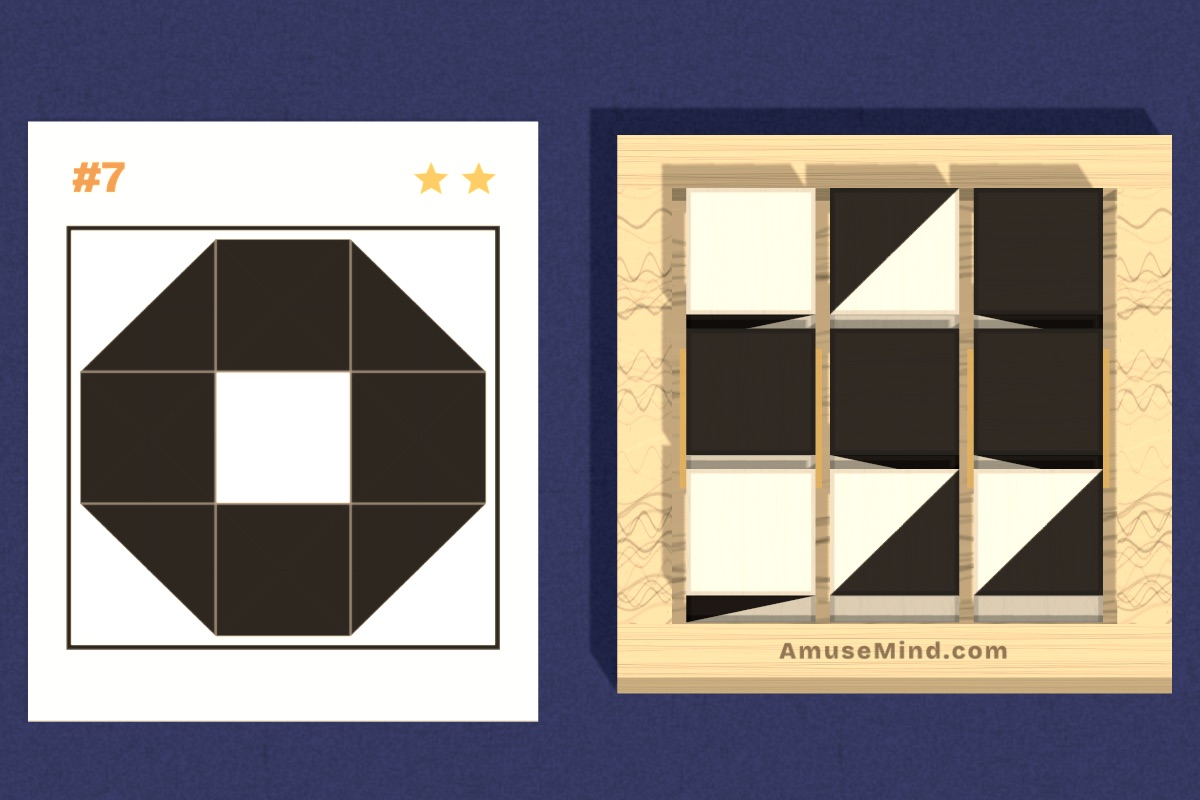
Tangram, the T puzzle, the packing trays and Lucky Coins are quiet, visual and satisfying. They suit students who like to work with their hands and eyes.

Math centers
Set one device at a puzzle station with a card: puzzle, level and a question to answer (“what was your first move, and why?”). Rotate the puzzle weekly. A puzzle-of-the-week board where students record their fewest moves on Tower of Hanoi or Sokoban adds a friendly challenge without a leaderboard of names.
Keeping it fair and calm
Puzzles should be a reward for thinking, not a race. Avoid timing students against each other. Let them choose the level and move up when ready. Because there are no ads, chat or accounts, there is nothing to supervise beyond the puzzle itself.
Every AmuseMind puzzle is free to try in the browser, with no student accounts, no sign-up and no ads, so you can put a puzzle on screen in seconds. It runs on classroom tablets, Chromebooks, laptops and interactive boards. Class features such as class codes, assignments and progress reports are in early access: request a demo from the For schools page if you’d like to try them.
Matching puzzles to students
Students who love numbers often enjoy sudoku, nonograms and Bridges. Visual and hands-on learners tend to prefer tangram, the trays and Hidden Blocks. Planners and strategists gravitate to Sokoban, Tower of Hanoi and Klotski. Letting students discover their own favourites is part of the value.
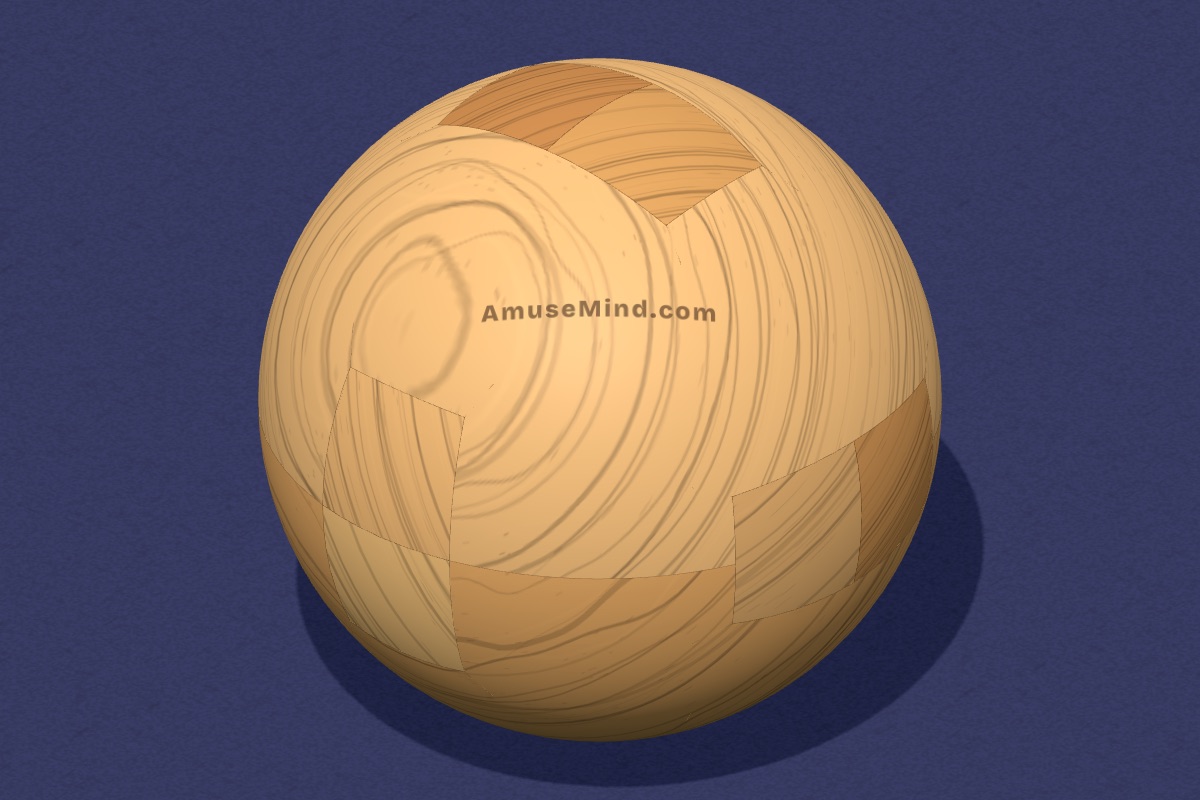
For your strongest students, the top levels are a real stretch: a hard 9 by 9 sudoku, the classic Klotski layout, the full peg solitaire board or the wooden magic ball. These can occupy a capable student for many sessions and give them the rare experience of not finding something easy.
For students who finish early because they rushed, a puzzle is a gentle way to practise slowing down. Sokoban, in particular, quietly teaches that thinking before acting pays off.

Questions teachers ask
Do students need accounts or logins?
No. Every puzzle is free in the browser, with no student accounts, sign-up or ads.
How do I stop it becoming a game-time free-for-all?
Give a specific puzzle, level and a question to answer. Puzzles end with a clear finish, so students naturally stop.
Which puzzles fit ten minutes?
Sudoku, Number Slide, Tower of Hanoi, small nonograms and peg solitaire on the easier levels.
