Primary 5 and 6 are busy years, and the PSLE takes up a lot of attention in most Singapore homes. Puzzles shouldn’t become one more thing on the list. Used well, they are a short, enjoyable break that keeps thinking flexible: ten minutes of a satisfying challenge rather than another worksheet. Here is how to fit them in sensibly, and which puzzles suit older children.
Be honest about the role of puzzles
Puzzles are not PSLE preparation, and they shouldn’t take time from revision your child needs. What they can offer is a different kind of thinking practice: open problems with no worked example to copy, where your child has to find a way in. That is good for confidence and for flexible thinking, and it is a genuine break from routine study.
If you are interested in how puzzle play relates to problem-solving heuristics like working backwards or looking for patterns, our guide to puzzles and PSLE problem solving covers that in more detail.
Short sessions that fit a heavy year
Keep puzzle time to 10 minutes, and use it as a reset between study blocks or as a wind-down before bed. A clear finish matters: one puzzle, then stop. Avoid anything with timers that push for speed; the value is in careful thinking, not racing.
Challenges worth their time
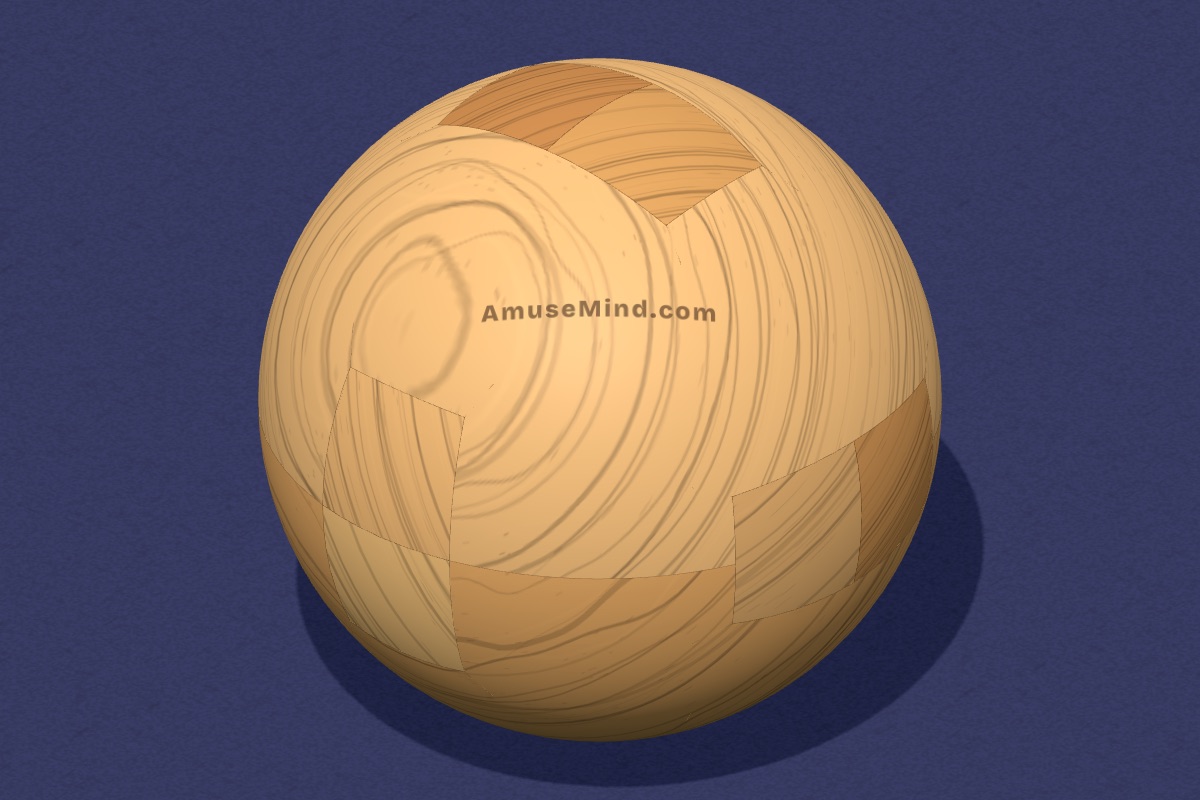
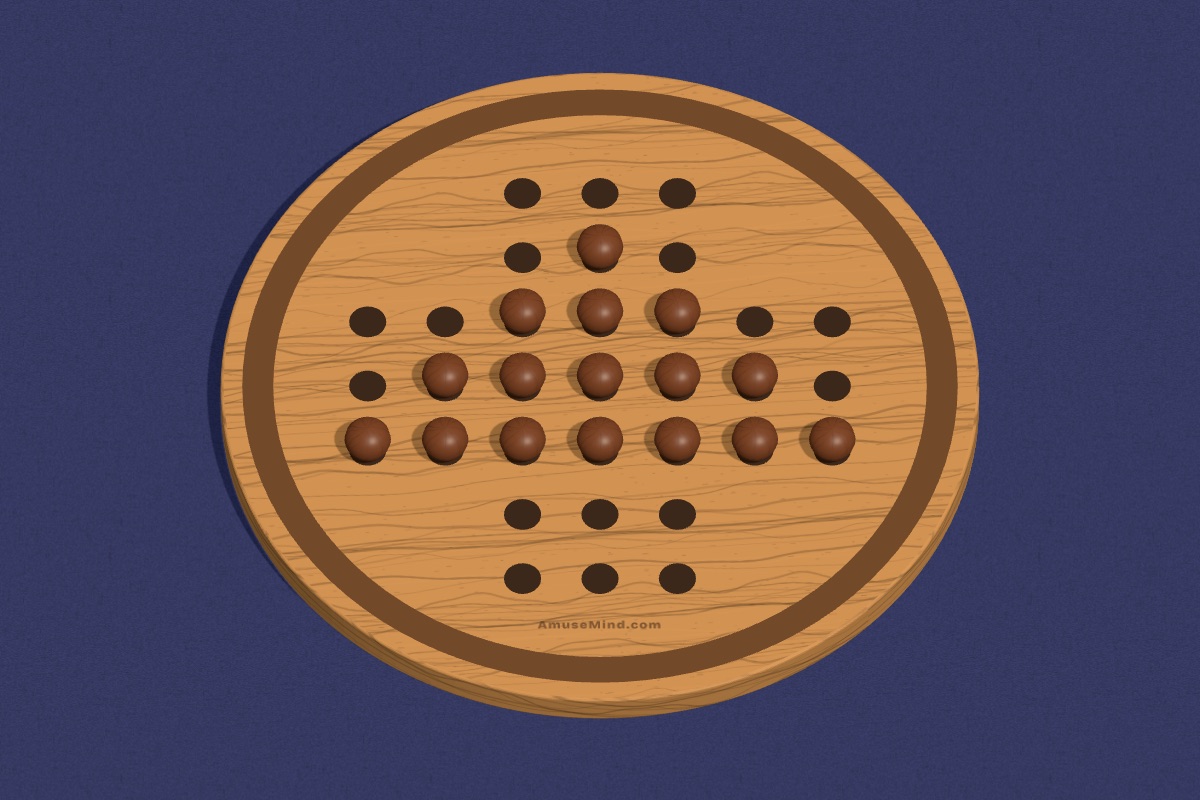
Older children enjoy a real challenge. Hakoiri Musume on Pro and Hacker needs dozens of carefully planned moves. Luban Lock asks them to take apart an interlocking wooden puzzle in 3D. Sokoban on Pro and above rewards thinking several pushes ahead. Peg Solitaire on the full board is a classic that adults find hard.


Logic puzzles with depth
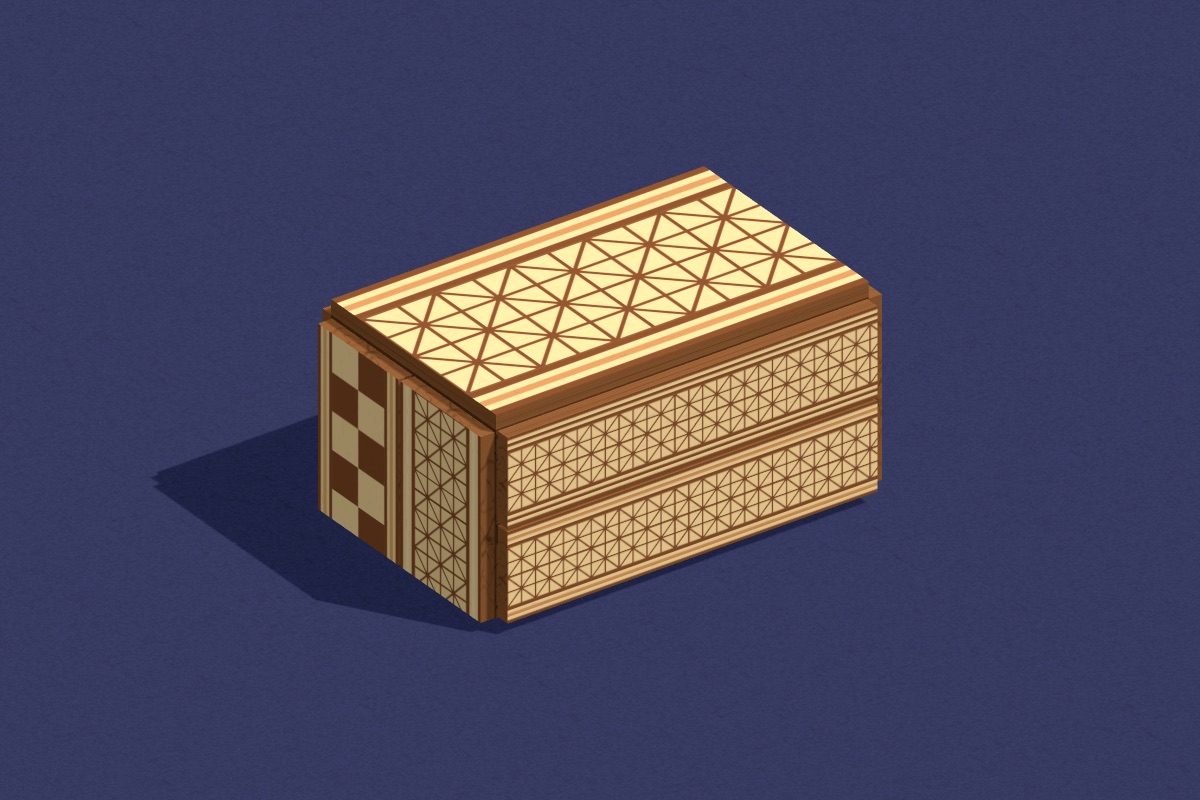
Sudoku on Hacker and Demon needs techniques beyond simple elimination. Nonogram’s denser pictures reward patient line-by-line reasoning. Bridges at higher levels packs islands tightly, so every bridge has to be justified. Puzzle Box hides its solution behind panels that must sometimes be moved back again.



Spatial puzzles for a change of pace
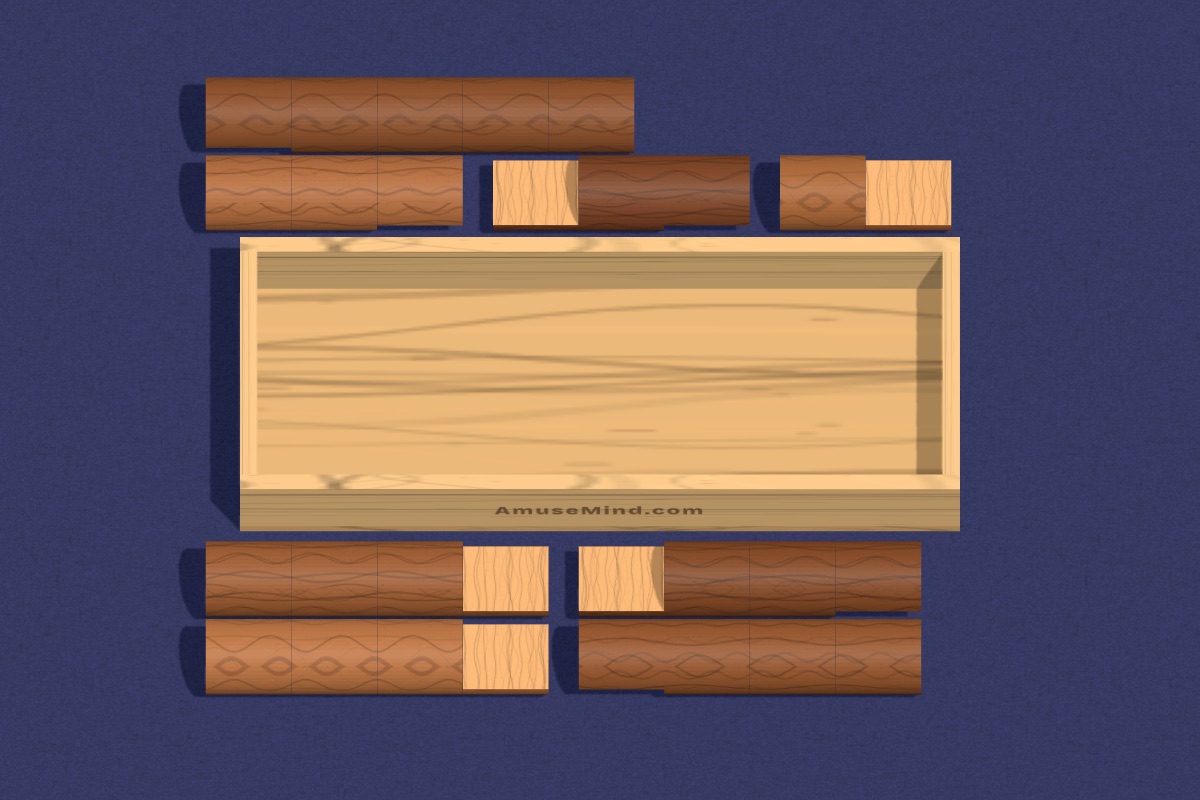
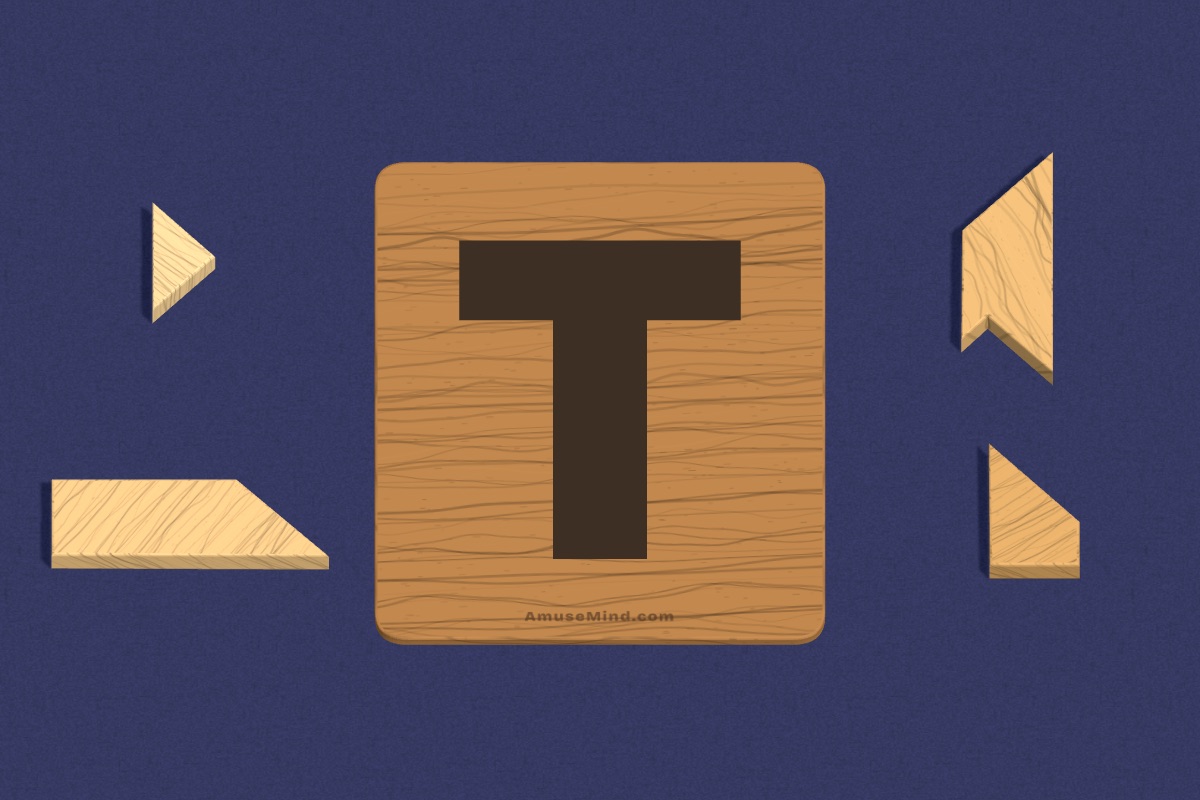
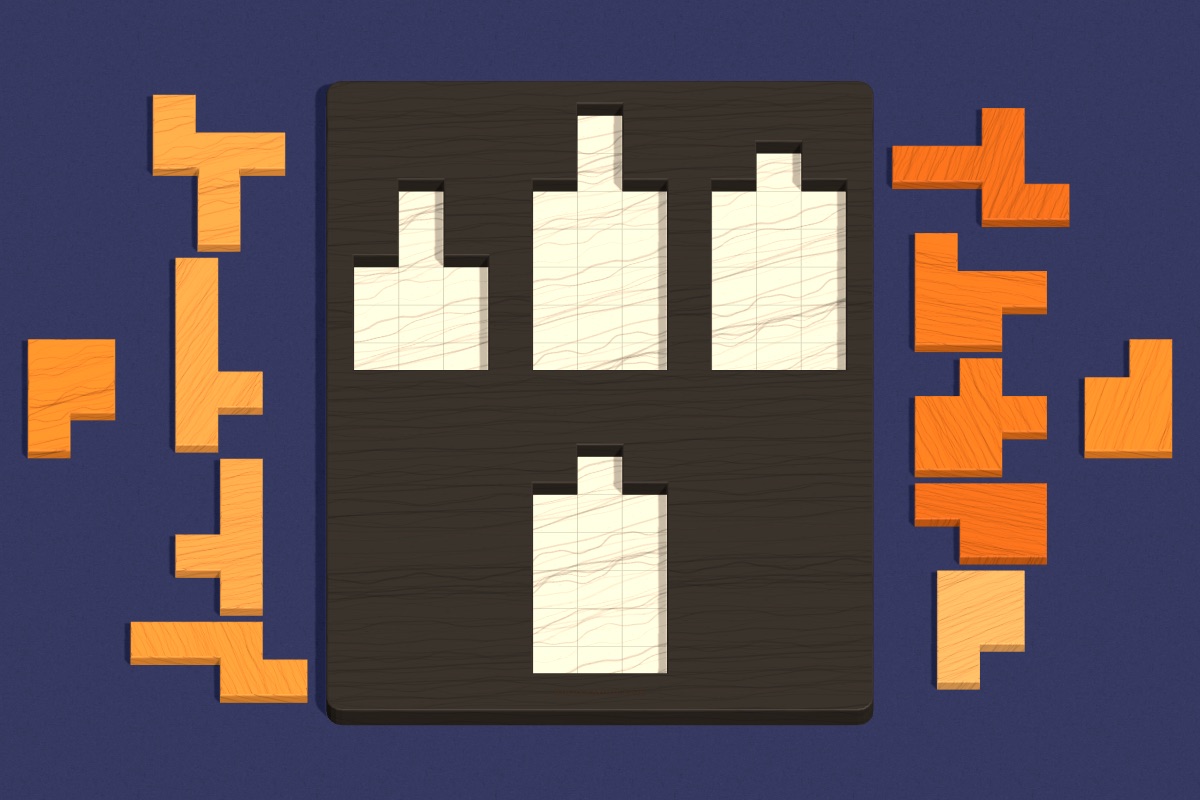
After a session of written work, a spatial puzzle uses a different part of the mind. Eight Logs on Pro, the T Puzzle and Six Bottles all ask children to picture shapes turned and flipped. They are calm, visual and satisfying to finish.

Watch for stress, not just progress
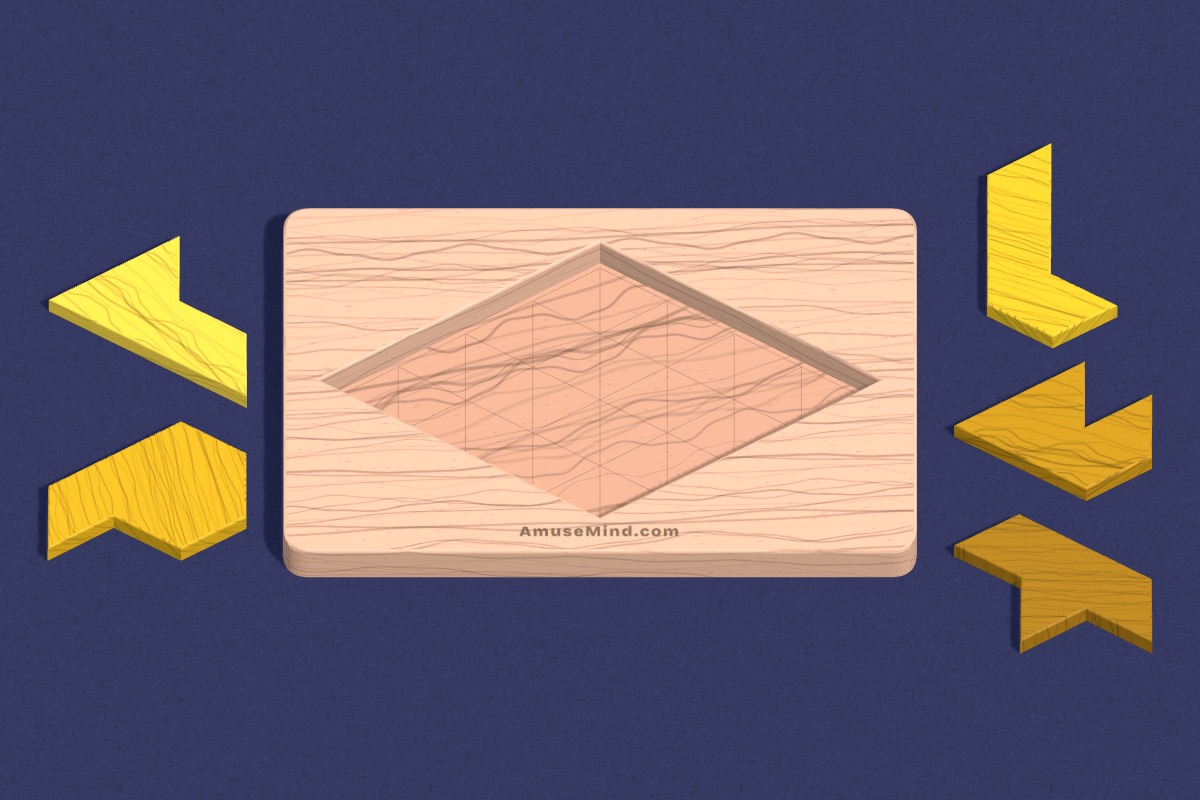
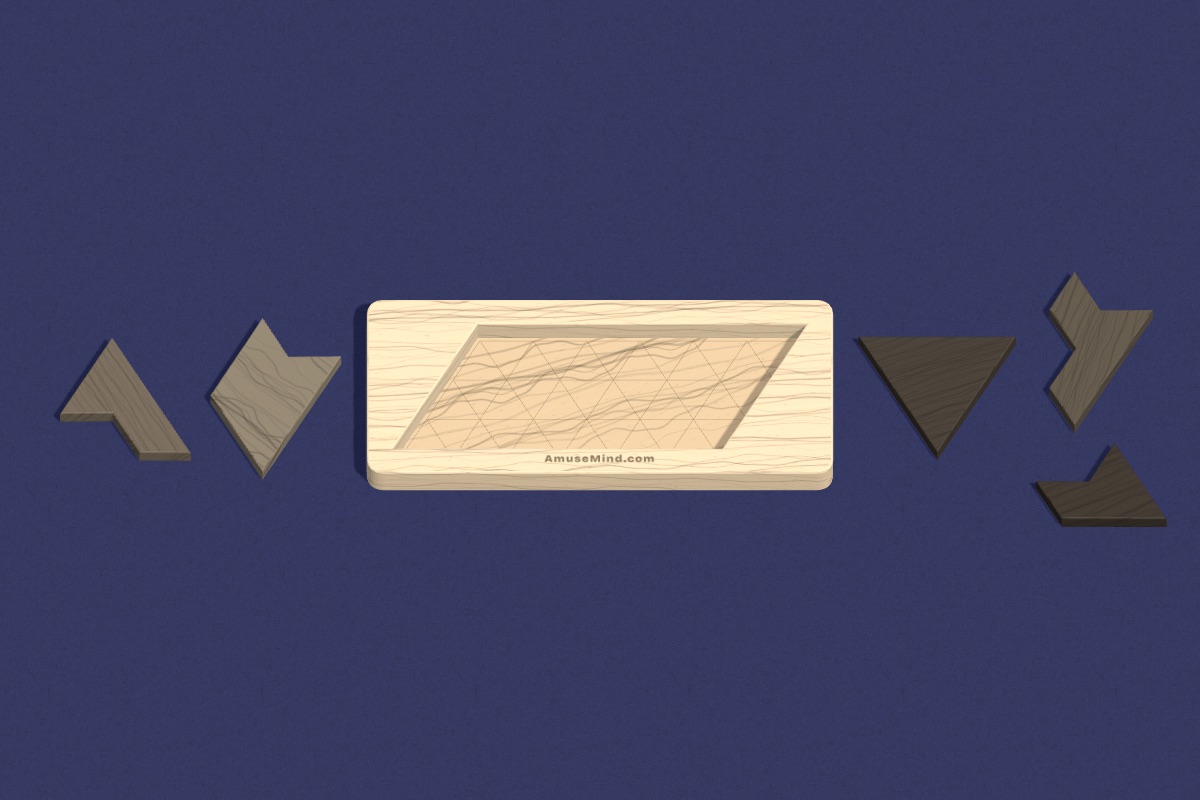
Upper primary children can be hard on themselves. If a puzzle is causing frustration rather than enjoyment, drop a level or switch to something visual and calm like Tangram or the trays. The point is a break that leaves them feeling capable, not another place to fall short.
It is also fine to put puzzles away during the busiest weeks before exams. They will still be there afterwards, and the long holiday after the PSLE is a lovely time to take on the hardest levels.

Let them lead
At this age, children often want independence. Suggest puzzles rather than assigning them, and let them choose the level. Ask them to show you a clever solution now and then; explaining it is good thinking practice and a nice moment together in a busy year. Every AmuseMind puzzle is free to try in the browser, with no ads and no sign-up.
Questions parents ask
Will puzzles help my child’s PSLE score?
We don’t claim that. Puzzles practise flexible thinking and persistence, and they make a good short break. They are not a substitute for revision or school work.
How much time is reasonable in P6?
About 10 minutes at a time, a few times a week, as a break rather than extra study.
Which puzzles suit a strong P6 student?
Hakoiri Musume, Luban Lock and Sokoban on Hacker or Demon, and Sudoku on Demon. They are genuinely hard and very satisfying to finish.