The Singapore school holidays in March, June, September and at year end bring a lot of indoor time, especially on rainy afternoons. Brain puzzles are a good way to fill some of it without endless scrolling. Here is a simple one-week plan, with a theme for each day, short sessions, and ideas for keeping it balanced with time outdoors, reading and rest.
How to use this plan
Each day has a theme and three puzzles to choose from. Aim for one or two sessions of 15 to 20 minutes, not more. Let your child pick within the theme, and start one level easier than you think so the first puzzle is a win. The plan works for children from about 6 to 12; each puzzle has five levels with a recommended age for each.
Monday: shapes and space
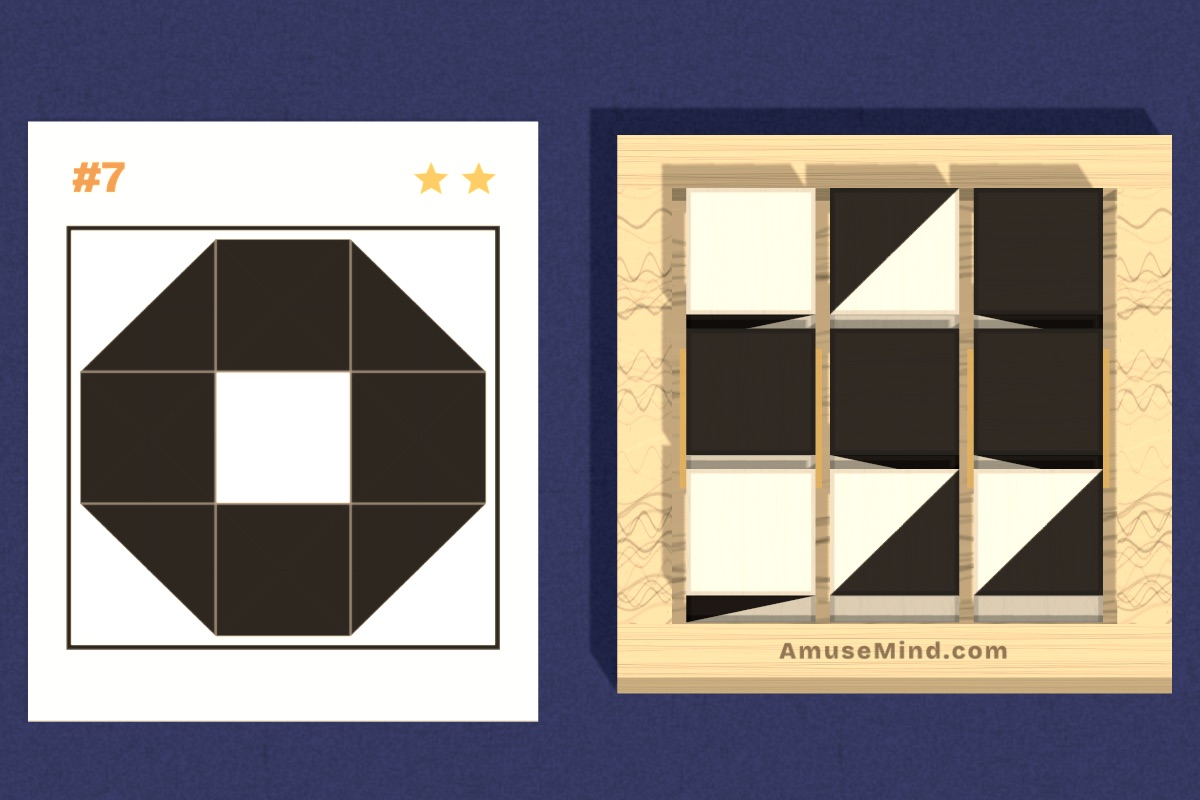
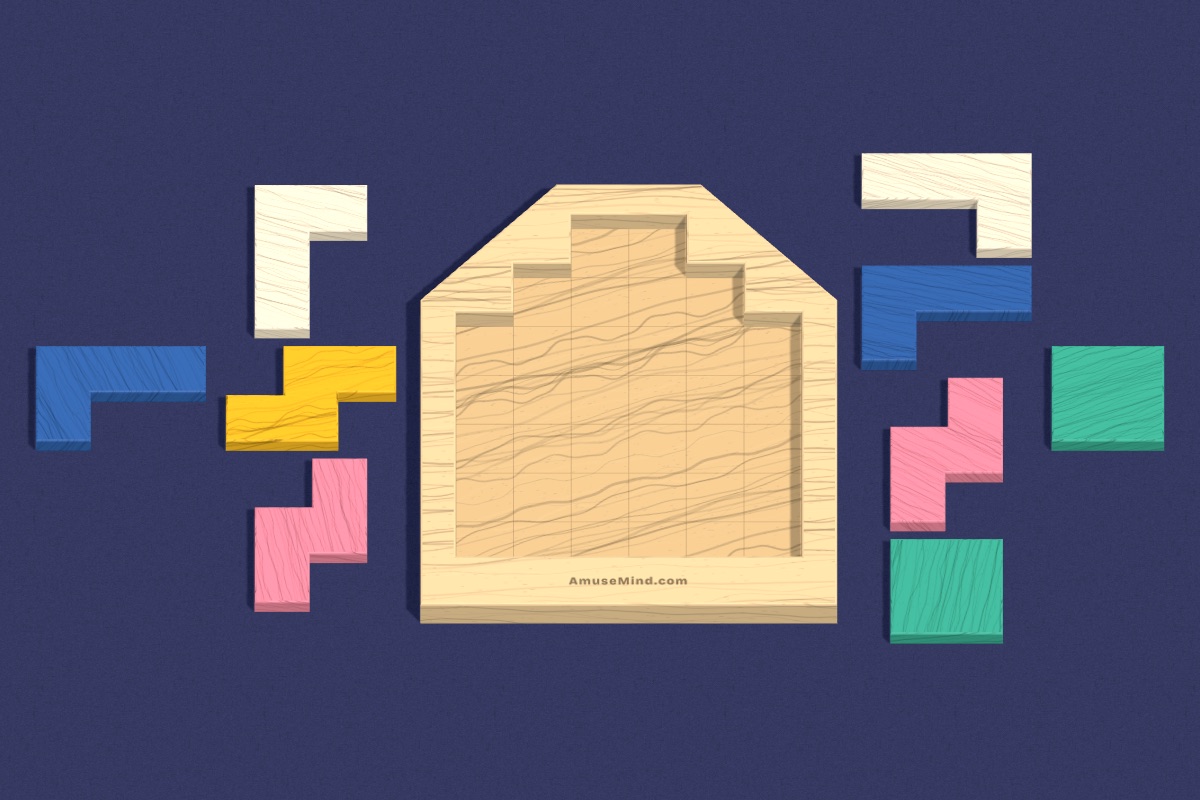
Start the week with something visual and calm. Tangram, the wooden trays and Hidden Blocks are all about fitting and turning shapes. Younger children can stay on Beginner; older ones can try Pro, where piece outlines disappear.


Tuesday: think ahead
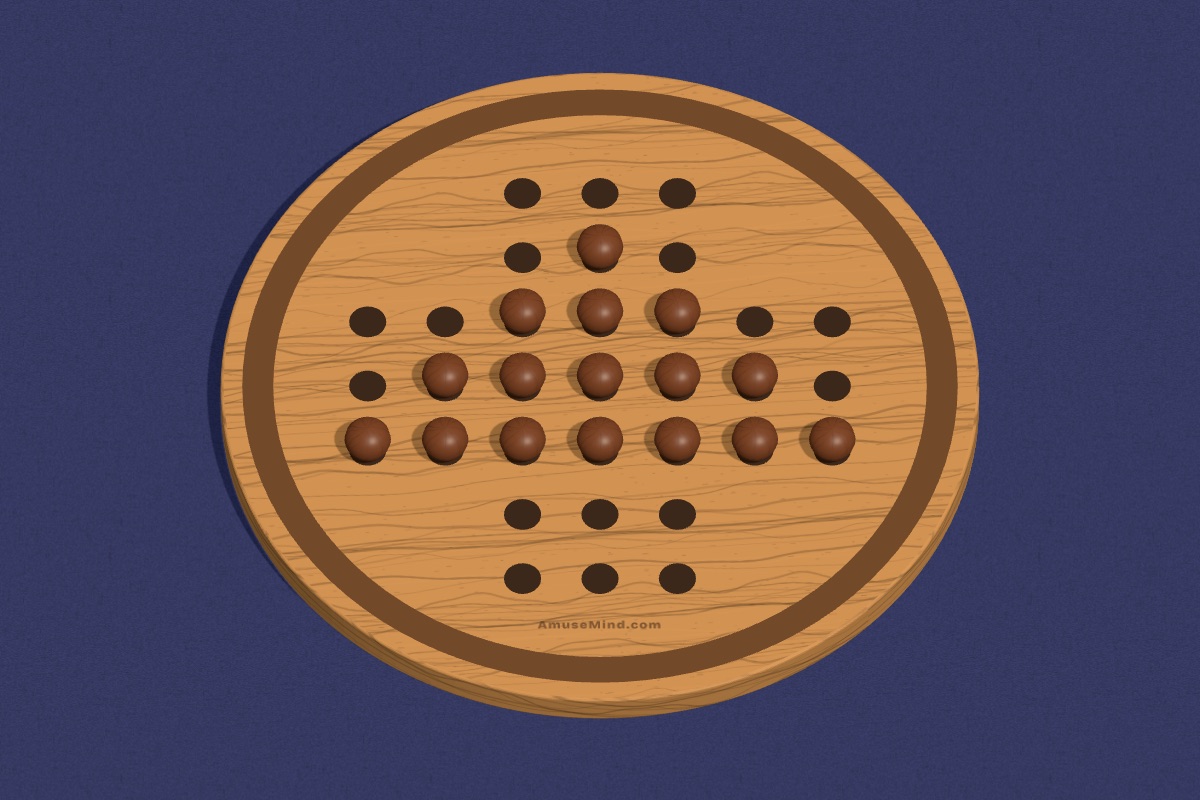
Today’s puzzles punish rushing. Sokoban, Tower of Hanoi and Peg Solitaire all need a plan before the first move. A good challenge: ask your child to predict how many moves a puzzle will take, then check.


Wednesday: numbers and logic
Sudoku, Bridges and Number Slide each use numbers in a different way: placing them, adding them up, or putting them in order. All can be solved with reasoning alone, so this is a good day to practise “what do I know for sure?”



Thursday: pictures from clues
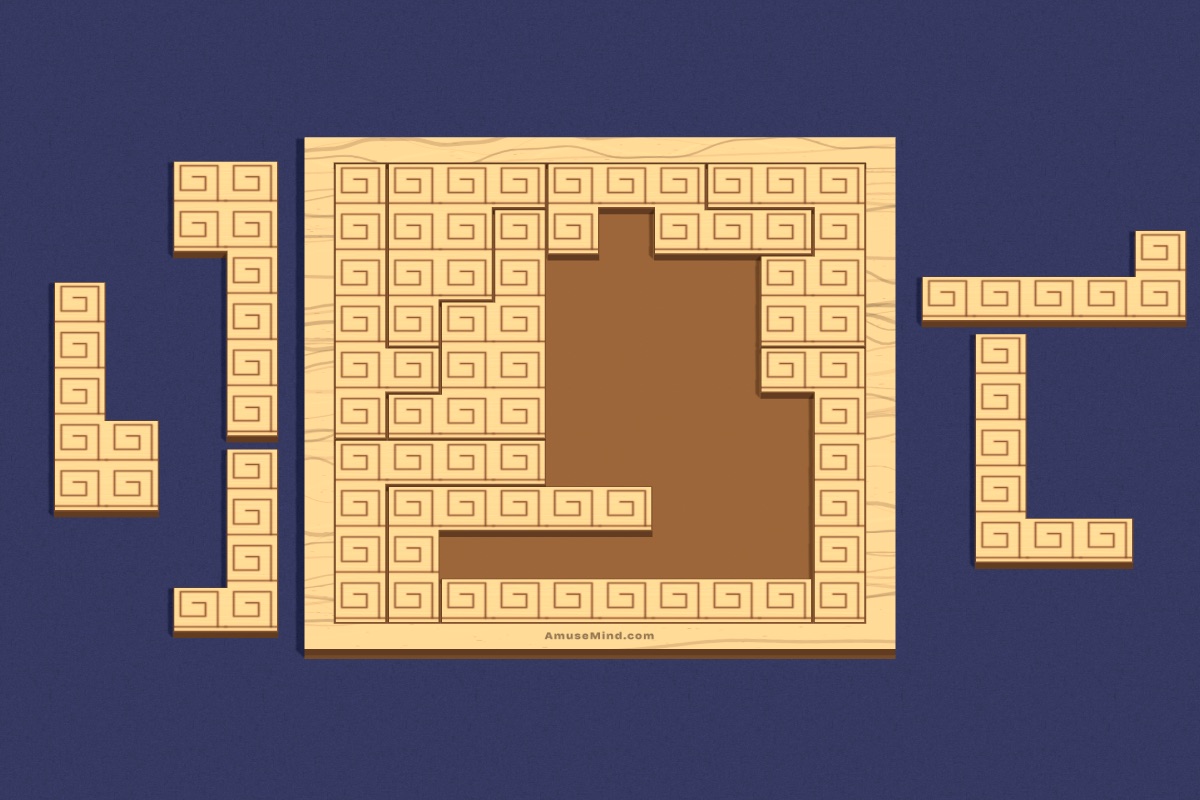
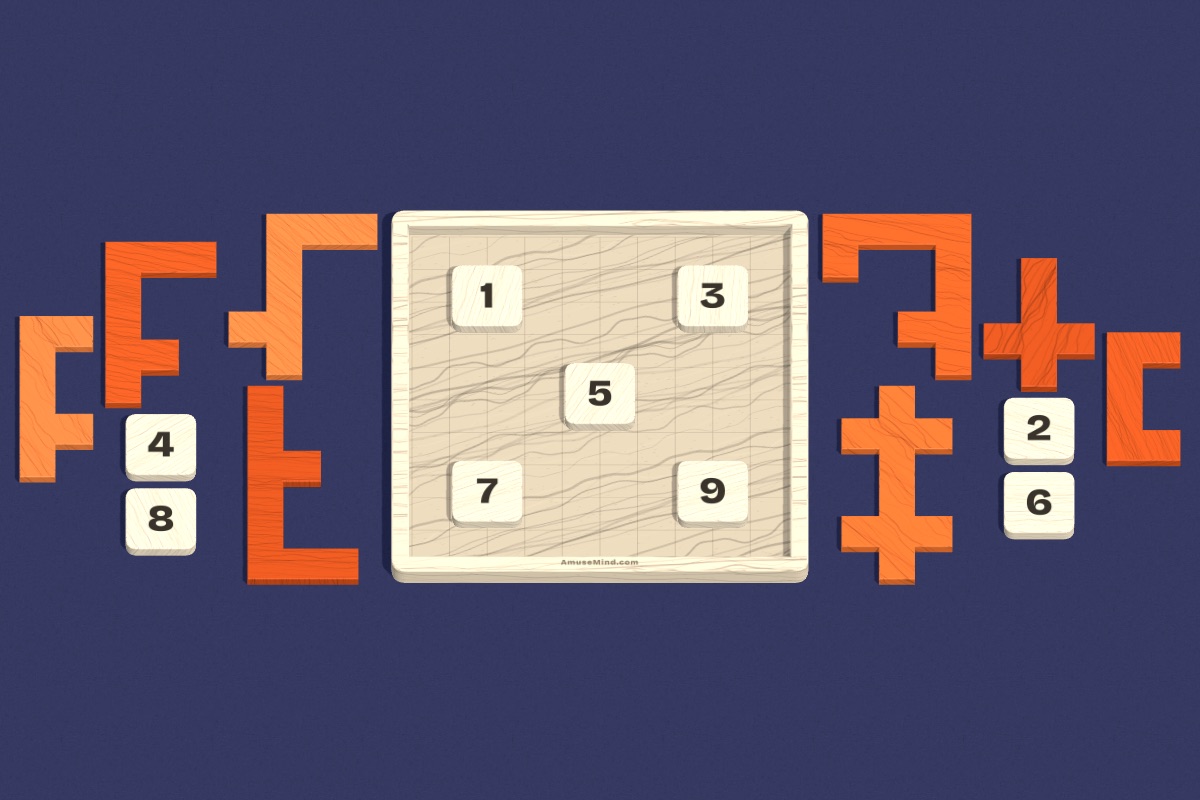
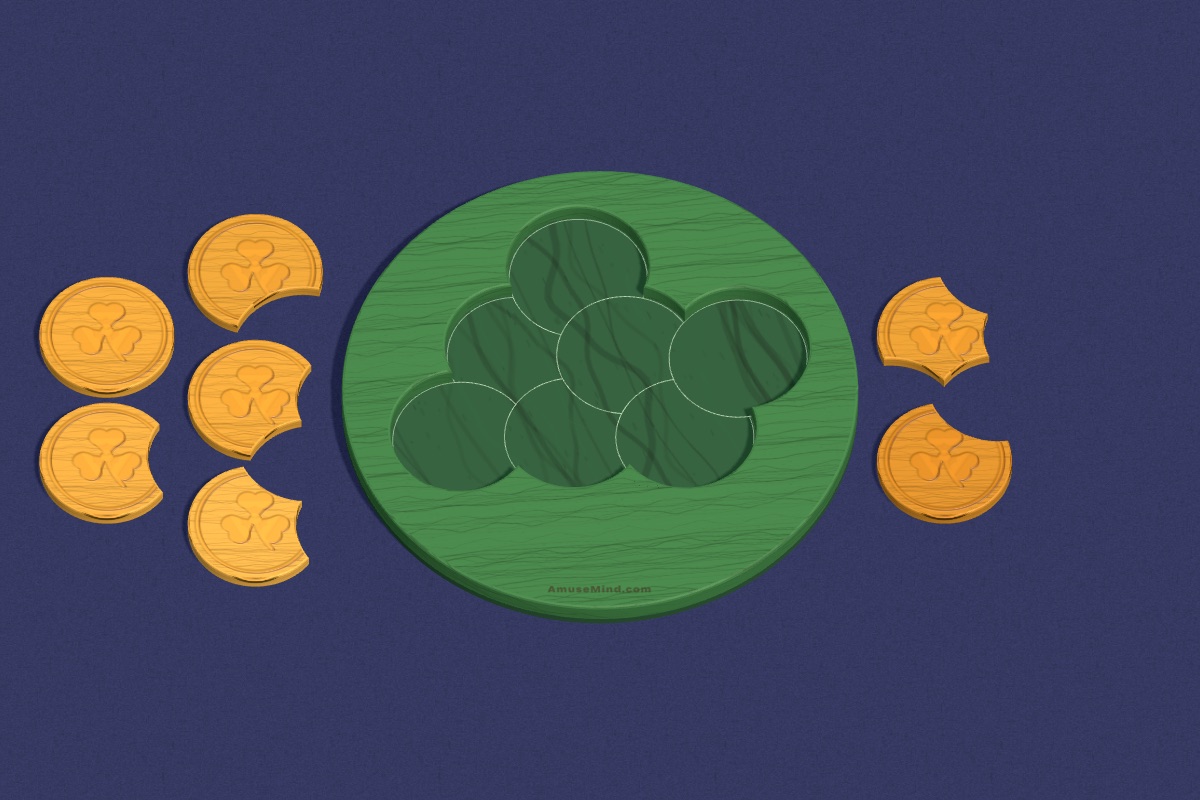
Nonogram turns number clues into a hidden picture, which children love. Pattern Boards and Number Frame are about careful looking. This is a nice day to play side by side, each on your own puzzle, and compare.

Friday: Japanese and Chinese classics
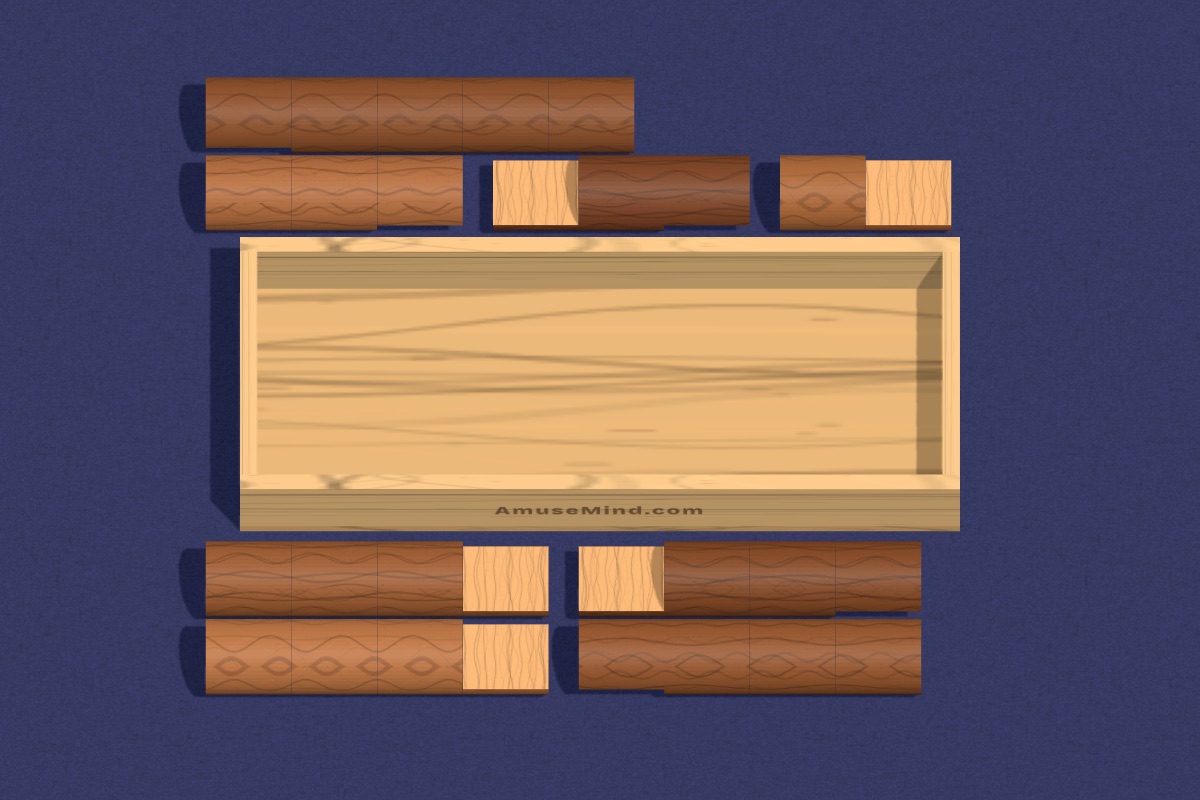
End the week with puzzles with a story. Hakoiri Musume, the “daughter in the box”, is Japan’s sliding-block classic, known in China as Hua Rong Dao. Puzzle Box is a Japanese secret box from Hakone. Luban Lock is China’s interlocking wooden puzzle. A good excuse to look up where they come from together.



Weekend: family challenge
Pick one puzzle everyone can play, set the same level, and see who finds the most elegant solution rather than the fastest. Siblings of different ages can use different levels of the same puzzle. Talking through how each person solved it is the best part.
Make it a little ritual
A fixed time helps: puzzle time straight after lunch, or once the rain starts. Some families keep a simple chart of puzzles solved during the week, with a sticker for each finish rather than a score. Others take turns choosing the day’s puzzle. Small rituals make the plan feel like a holiday treat rather than holiday homework.
Mix it with offline puzzles too: a jigsaw on the table, a deck of cards, or drawing the shapes from Tangram on paper and challenging each other to make them.
Keeping screen time balanced
Puzzle time is still screen time, so keep it to a sensible slice of the day alongside outdoor play, reading and rest. AmuseMind puzzles have a clear finish, no ads and no endless feeds, which makes it easier to stop. Every puzzle is free to try in the browser with no sign-up.
Questions parents ask
How long should holiday puzzle sessions be?
One or two sessions of 15 to 20 minutes a day is plenty, alongside outdoor time, reading and rest.
Can siblings of different ages play together?
Yes. Every puzzle has five levels with a recommended age for each, so siblings can play the same puzzle at different levels and compare solutions.
Do we need to buy anything?
No. Every AmuseMind puzzle is free to try in the browser, with no ads and no sign-up. Family Pro adds the hint coach and saved progress.
Does this work on a phone or tablet?
Yes. All the puzzles play in the browser on phones, tablets and computers.