Jigsaws are many children’s first puzzle, and a few simple habits make them far less frustrating. The same habits work even when there’s no picture at all.
Edges first
Find the pieces with a straight side and build the frame first. Corner pieces have two straight sides and are the easiest starting points. With the frame done, the puzzle has a clear boundary and the rest feels manageable.
Sort by shape
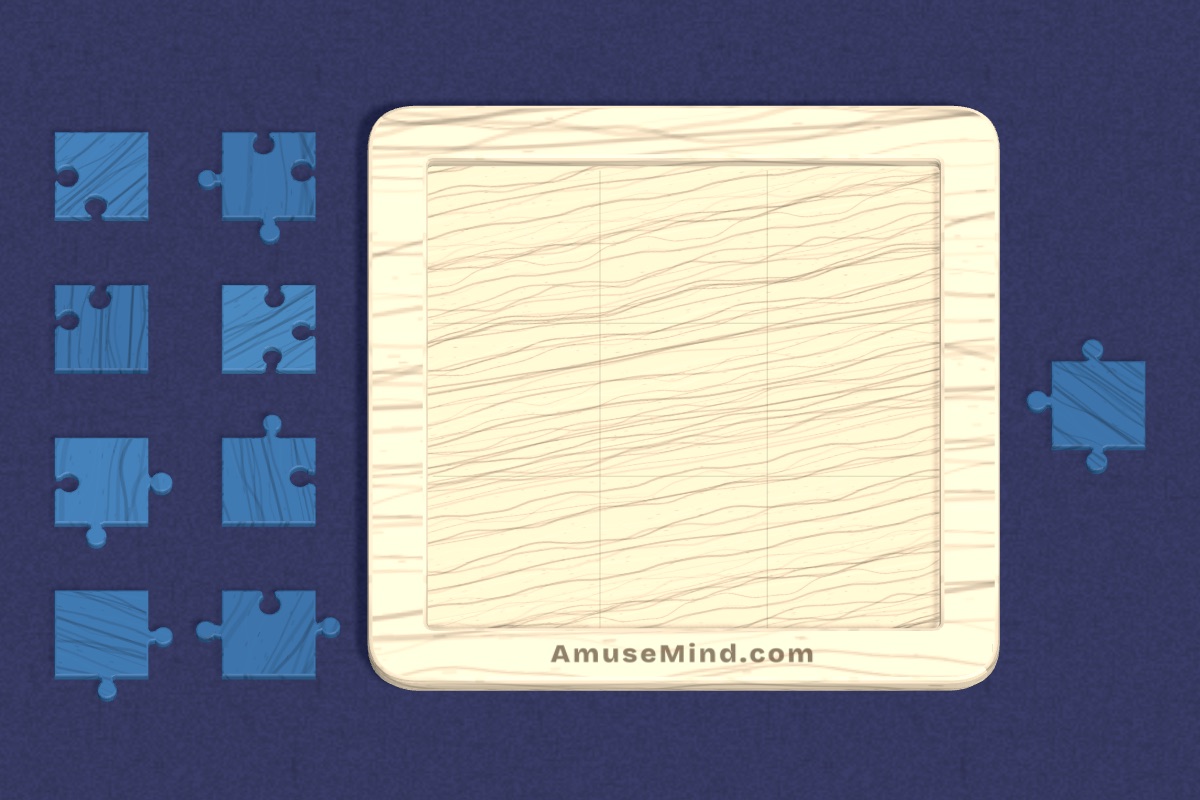
Every inside piece has tabs that stick out and blanks that are cut in. Sorting pieces by how many tabs they have (four, three, two) narrows down where each can go. A gap in the puzzle that needs two tabs and two blanks can only take a piece with that pattern.
Match shapes, not just colours
Children often hunt only by picture. Looking at the exact shape of a tab, how wide, how round, which way it leans, is a more reliable skill. Blank jigsaws, with no picture at all, train exactly this. AmuseMind’s Blank Jigsaw starts with six pieces and builds up to twenty, with turning at the top levels.
For the youngest
Before full jigsaws, matching puzzles build the core idea that a shape fits the hole made for it. AmuseMind’s Shape Match uses chunky tiles with heart, star, key and arrow shapes that fit matching cut-outs, starting at just four tiles for four and five year olds.

Keep it calm
A puzzle that’s a little too hard is good; one that’s much too hard is just frustrating. Choose a size your child can finish, and step up gradually. Sitting nearby and sorting edge pieces together is a lovely way to help without taking over.
Choosing the right puzzle
For three and four year olds, a few large pieces and a clear goal are ideal: shape matching, chunky inset puzzles and simple trays. For five and six year olds, 24 to 48 piece jigsaws and Shape Match’s larger boards are a good fit. From seven upwards, children can tackle bigger jigsaws and blank puzzles that rely on shape alone.
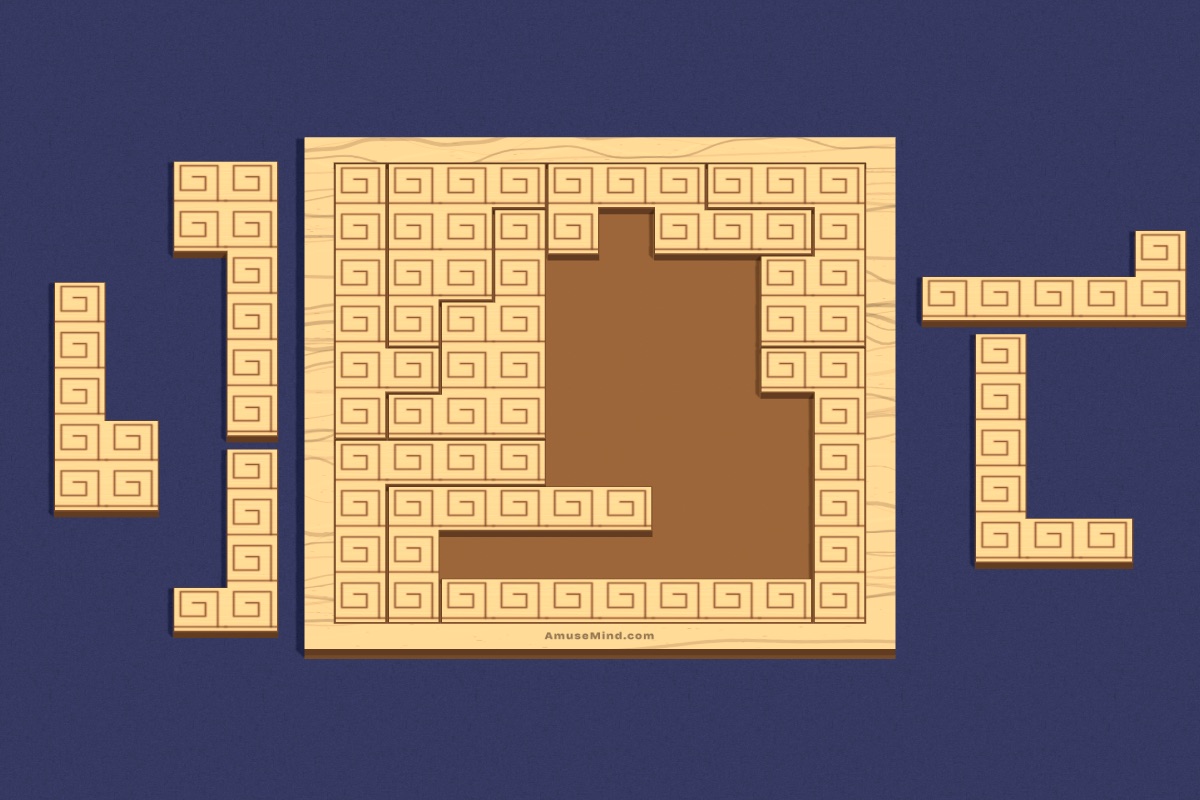
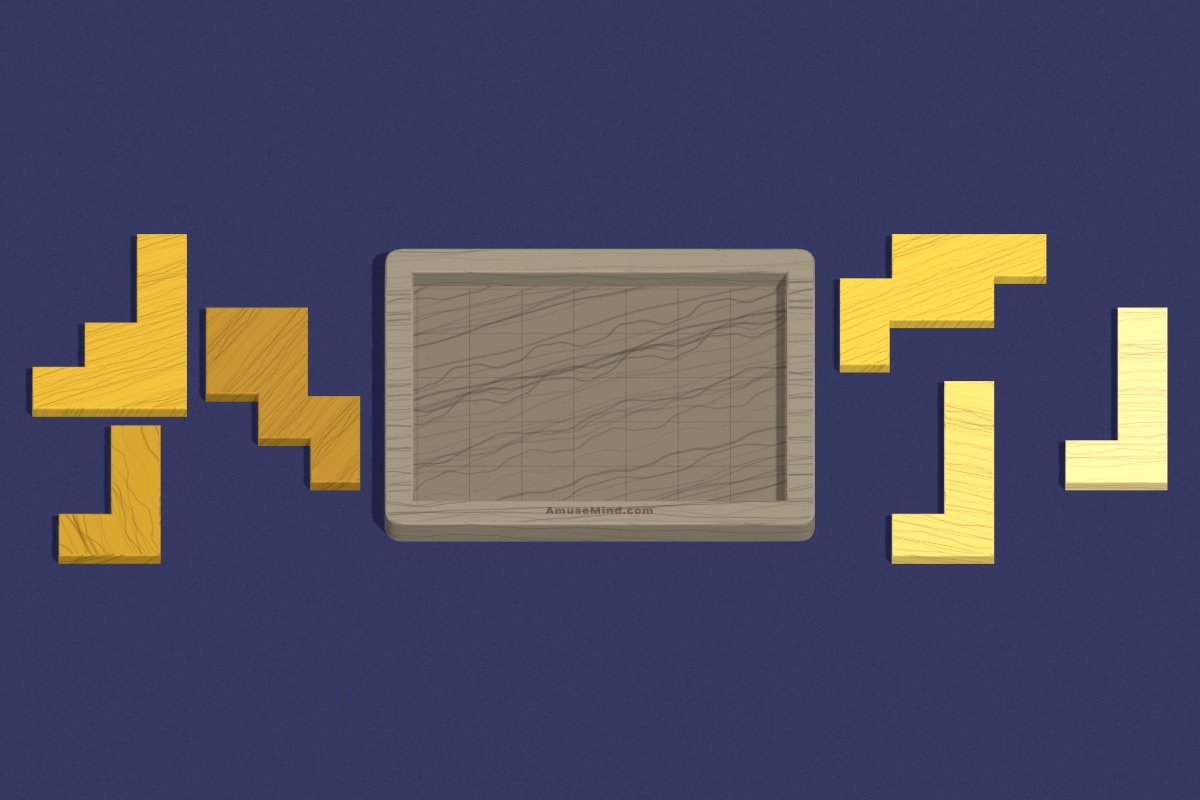
Variety helps too. Moving between picture jigsaws, blank jigsaws and fitting puzzles like Rectangle Tray or Pattern Boards keeps the core skill (seeing how a shape fits a space) fresh and interesting.
Celebrate finishing, not speed. The value of a jigsaw is the patient looking, sorting and trying. A child who finishes a puzzle slowly but on their own has done exactly the right thing.
And if your child loves pictures most, that’s fine: picture jigsaws build attention to detail, while blank ones build shape sense. Both are worth doing.
A final tip for any age: work in good light with space to spread out. On a screen, AmuseMind’s puzzles keep loose pieces neatly parked around the board, which helps children see every shape at once, and pieces snap in only when they truly fit, so there is no doubt about a correct match.
Questions parents ask
What is the best way to start a jigsaw?
Build the edge first, starting with the four corners, then fill in the middle.
What is a blank jigsaw puzzle?
A jigsaw with no picture, solved only by matching the shapes of the pieces.
What age can children do jigsaws?
Simple shape-matching suits children from about four; blank jigsaws suit most children from six.
How do I help a child who gets frustrated with jigsaws?
Choose a smaller puzzle, build the edge together, and sort a handful of pieces by shape for them to try. Finishing a slightly easier puzzle builds more confidence than abandoning a hard one.


